
On tour
Every date the ticketer lists, worldwide · venue time
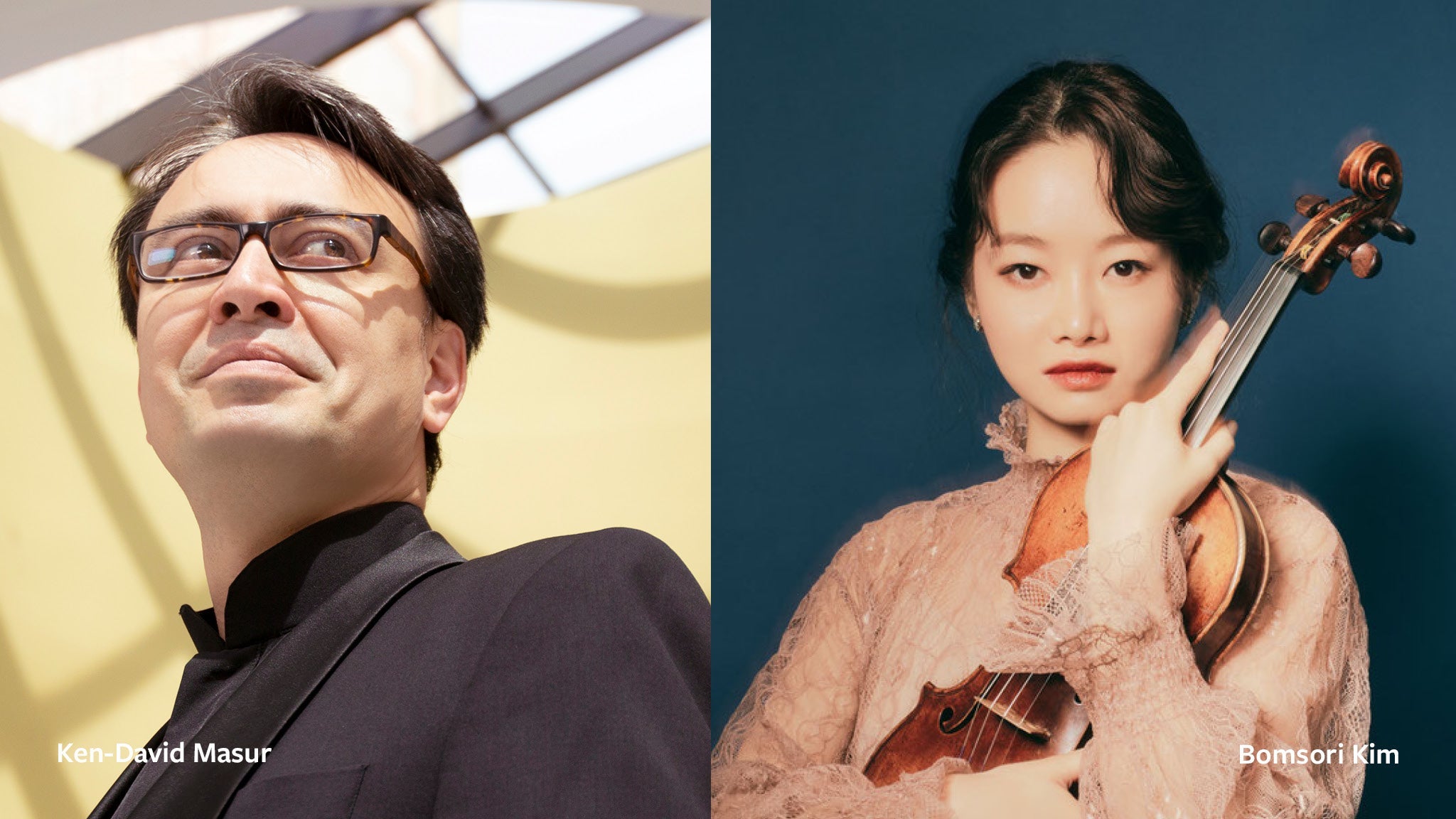 TicketsArts & Theatre · USNational Symphony Orchestra: Beethoven: 200 Years OnLisner Auditorium · Washington
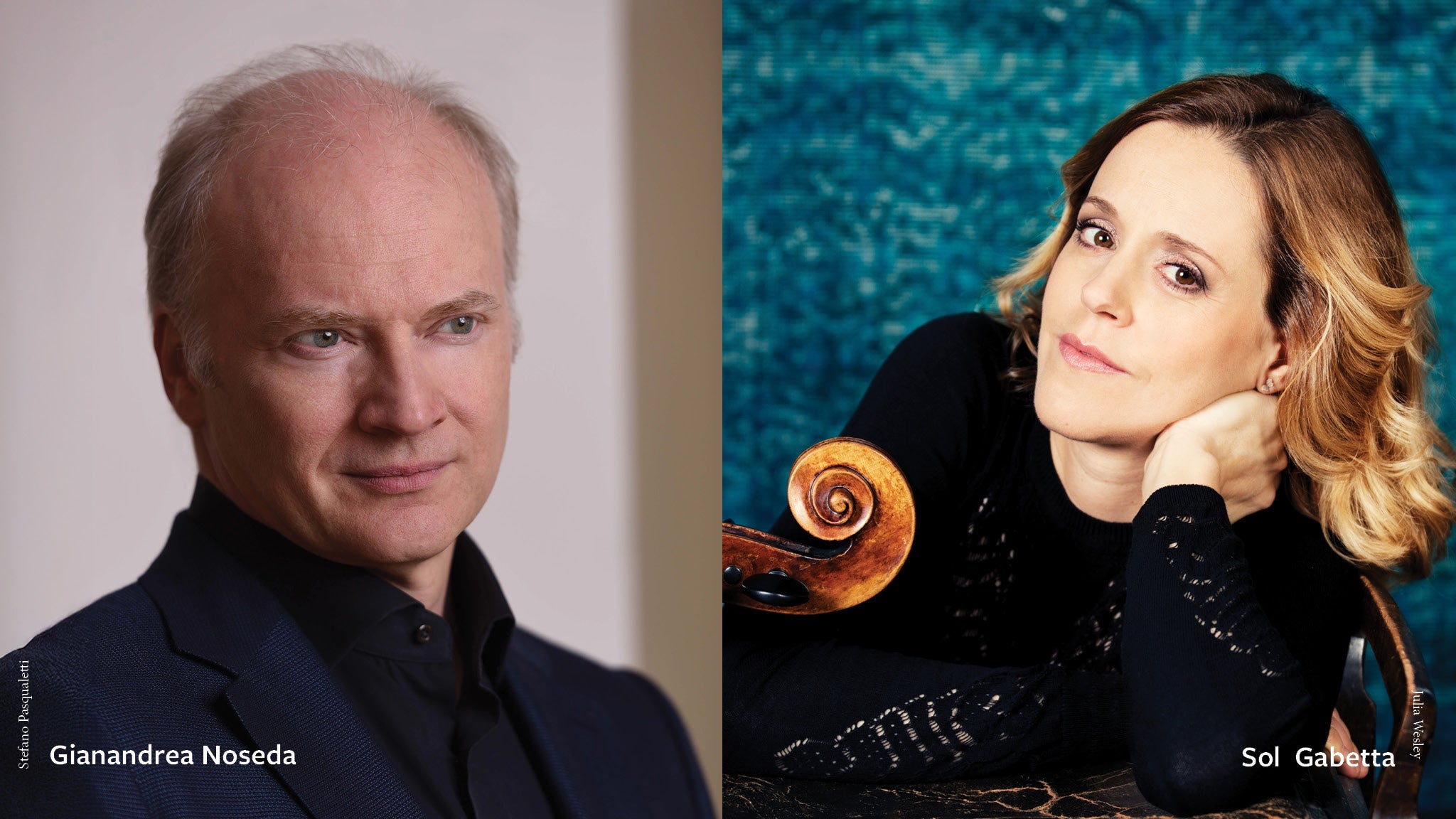 TicketsArts & Theatre · USNational Symphony Orchestra: Noseda conducts Rachmaninoff and RespighiLisner Auditorium · Washington
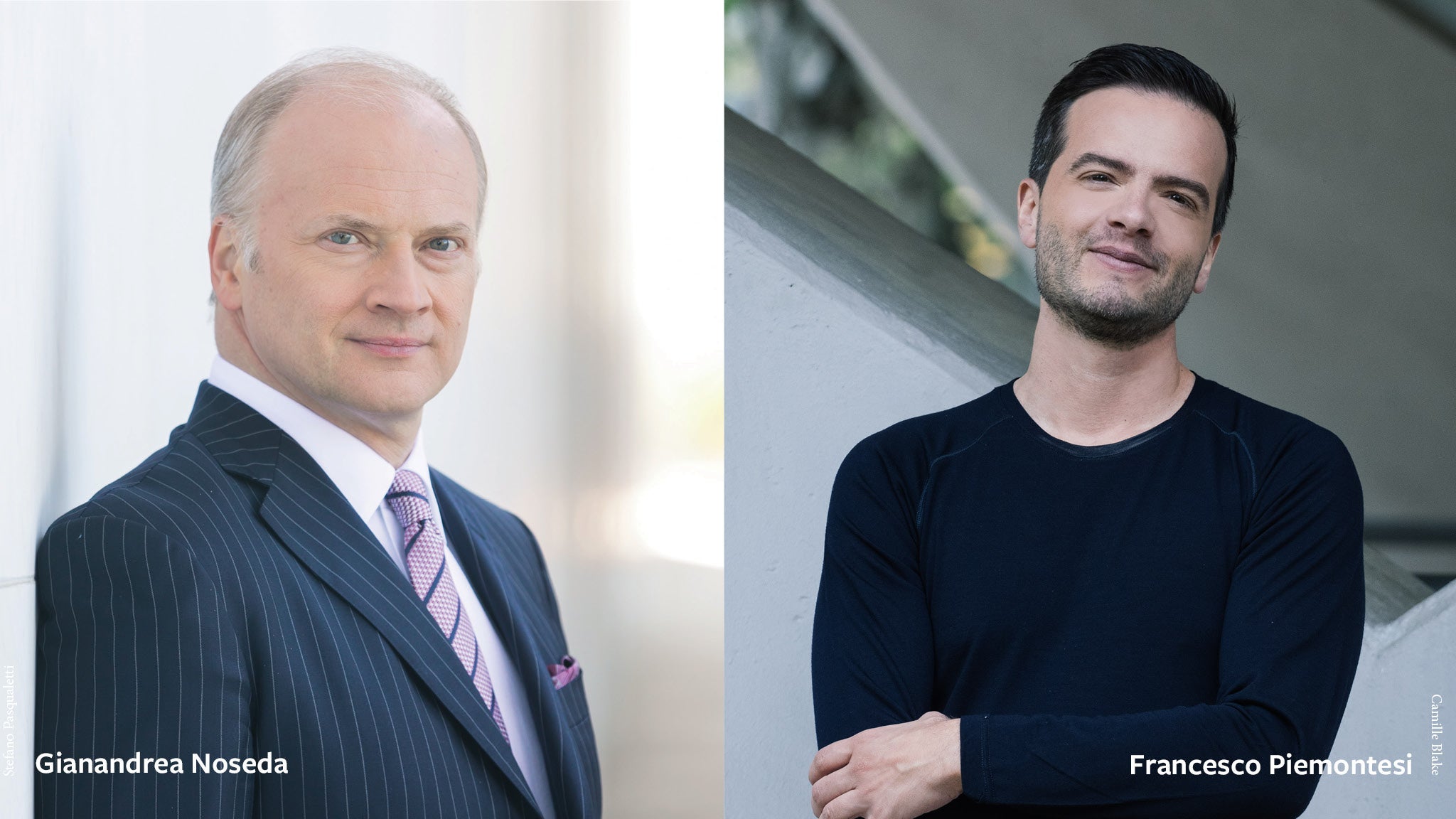 TicketsArts & Theatre · USNoseda & EhnesLincoln Theatre · Washington
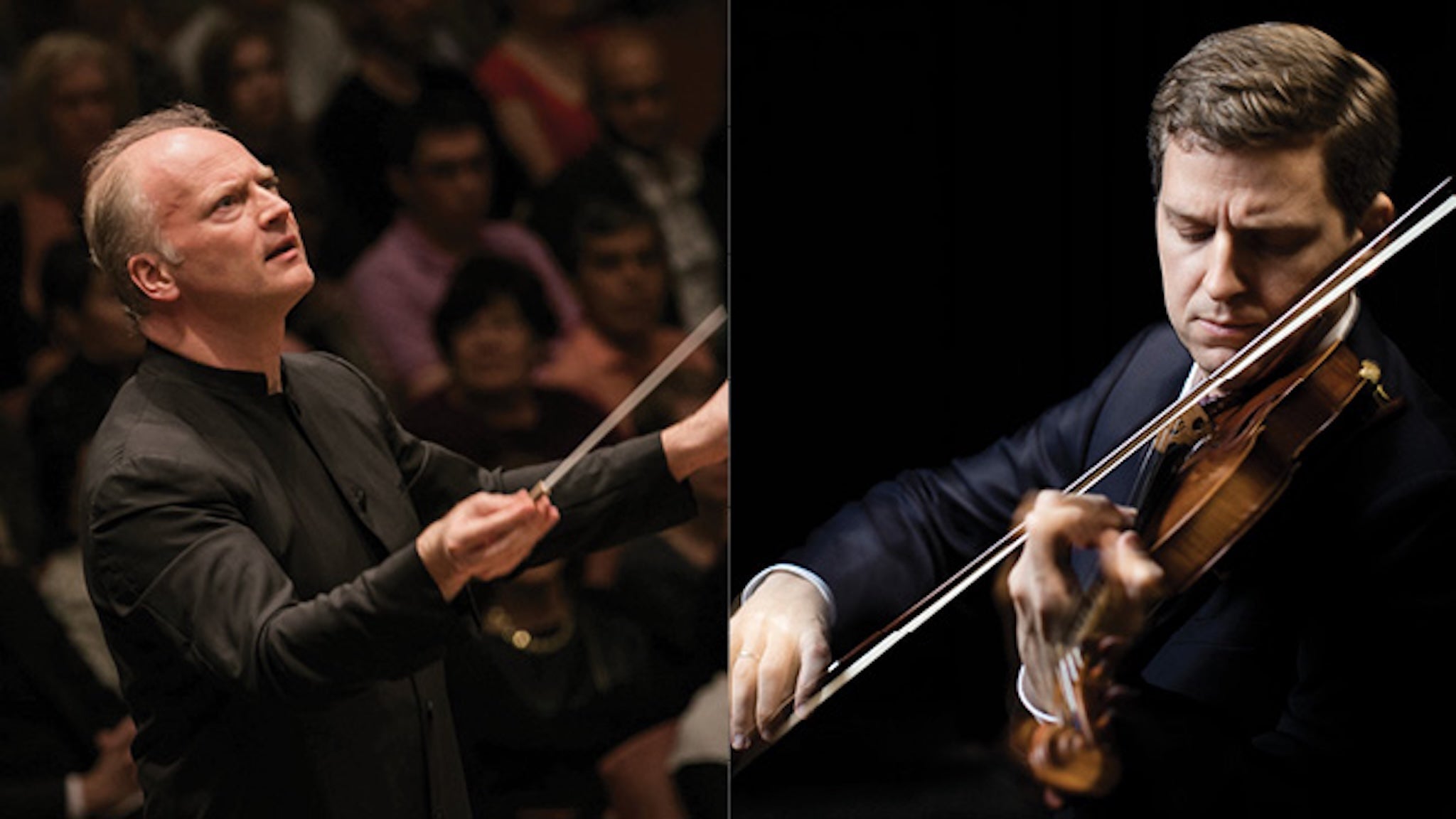 TicketsArts & Theatre · USNoseda & EhnesLincoln Theatre · Washington
 TicketsArts & Theatre · USNational Symphony Orchestra: Dreams and ObsessionsLisner Auditorium · Washington
 TicketsMusic · USNational Symphony OrchestraWolf Trap Filene Center · Vienna
The profile · researched 4 November 2026
Ninety-six seasons in, the National Symphony Orchestra is playing its best in borrowed halls
Washington's orchestra was locked out of the Kennedy Center on 15 September 2026 after two years of political turmoil at its landlord, and has spent the autumn scattered across six suburban and university theatres. Critics covering the move say the playing has got better, not worse.
From forty dollars a week to a federal address
The ensemble gave its first concert on 31 January 1930 and was formally organised the following year by the Dutch-American cellist Hans Kindler, who ran it until 1949. In those early seasons the players were paid forty dollars a week for a limited run of engagements. Howard Mitchell, who had come up through the cello section, succeeded Kindler and held the post for twenty-one years, until 1970.
Antal Doráti took over in 1970, and in 1971 the orchestra moved into the John F. Kennedy Center for the Performing Arts, which would be its home for the next fifty-five years. Mstislav Rostropovich held the music directorship from 1977 to 1994, the longest tenure after Kindler's. Leonard Slatkin ran the orchestra from 1996 to 2008, Iván Fischer served as principal conductor from 2008 to 2010, and Christoph Eschenbach was music director from 2010 to 2017.
Alongside the subscription series the orchestra took on the obligations that come with the word national: presidential inaugurations, the annual National Memorial Day Concert, and, since 1984, a Summer Music Institute that awards merit-based places to advanced student players. In an ordinary year the organisation mounts something like 175 performances across classical, pops and education programming.
Noseda's decade, and the roster he built
Gianandrea Noseda, the seventh music director, began in September 2017. A first extension in 2022 carried him to the 2026–27 season; a second, announced in March 2025, added four more years and takes him through 2030–31, the orchestra's hundredth anniversary. By the time that extension was announced, 23 of the orchestra's 96 full-time musicians had been engaged during his tenure, eight works had been commissioned, five of them world premieres, and more than $11 million had been raised for a fund in his name.
"Being this orchestra's music director is one of the great honors of my life and I'm overjoyed that we will continue our journey and celebrate the orchestra's 100th anniversary in 2031," he said at the time. He holds the job alongside the general music directorship of Zurich Opera and a principal guest conductorship at the London Symphony Orchestra, and the 2026–27 season is his tenth in Washington.
The recordings
Until recently the orchestra had thin representation on disc for an ensemble of its age. That changed with a label of its own, announced in July 2022 and developed with support from LSO Live, the London Symphony's in-house operation, which also handles distribution. The first fruits had already appeared in early 2020: Dvořák's Ninth Symphony paired with Copland's Billy the Kid.
Two cycles followed. One was a complete Beethoven symphony set, begun in 2022 and the orchestra's first. The other was more unusual: from January 2022, for the centenary of the Washington-born composer George Walker, Noseda and the orchestra performed and recorded all five of his sinfonias, releasing the complete set in September 2023. The run of recordings contributed to a nomination for Gramophone's Orchestra of the Year award in 2023.
The most recent release is Mahler's Seventh Symphony, taken from a live performance in the Kennedy Center Concert Hall on 26 September 2025. It went out digitally first, with the disc following on 5 December 2025, and runs to about 75 minutes.
Locked out
The Kennedy Center came under new management in early 2025, when President Trump took control of its board. What followed was a long run of declining ticket sales, audience boycotts and litigation over the addition of the president's name to the building. The board then voted to shut the complex for two years of renovation, and the doors closed to the public on 15 September 2026.
The orchestra lost more than a hall. It lost most of the Kennedy Center staff who had supported it, including a development department that had been heavily cut. Jean Davidson, the executive director, left in March 2026 and named the turmoil at the Kennedy Center as her reason for going. Budget approvals slipped so far that the 2026–27 season was not announced until mid-August, barely five weeks before opening night.
NPR reported on 1 November 2026 that the orchestra expected ticket revenue to fall by roughly half and donations by about a quarter against a normal year — this at a moment when the Phoenix Symphony has shut down altogether and American orchestras generally are under strain. Noseda chose to stay through it. Asked about walking away, he said he thought that "would have been a little bit too easy".
Six halls, sixty concerts, one tour
The response was to scatter. Roughly sixty classical performances run from September 2026 to June 2027 across six venues: the Music Center at Strathmore in North Bethesda, the Clarice Smith Performing Arts Center at the University of Maryland in College Park, Lisner Auditorium and the Lincoln Theatre in Washington itself, the Center for the Arts at George Mason University in Fairfax, and the Rachel M. Schlesinger Concert Hall in Alexandria. That is slightly more performances than a typical season, spread over smaller rooms, with tickets sold through each venue's own box office from 28 August 2026.
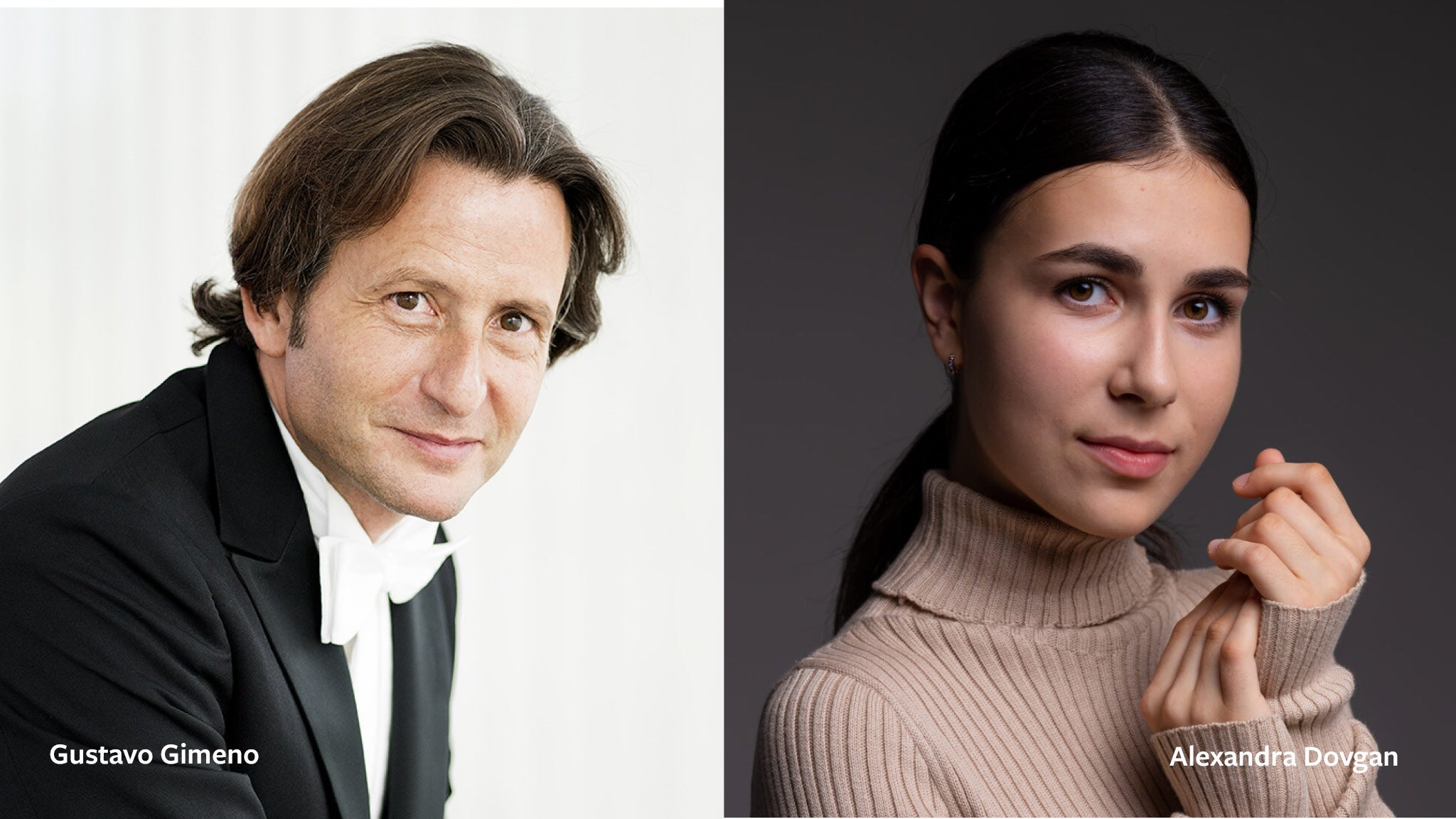
Noseda conducts ten weeks of it. The guest list includes Slatkin returning to his old orchestra, the composer-conductor John Adams, Teddy Abrams, Philippe Jordan, Bernard Labadie, Marie Jacquot and Gustavo Gimeno. Soloists booked across the season include the violinists James Ehnes, Augustin Hadelich, Leila Josefowicz and Elena Urioste, the pianists Beatrice Rana, Yefim Bronfman, Francesco Piemontesi and Denis Kozhukhin, the cellists Sol Gabetta and Gautier Capuçon, the baritone Will Liverman and the harpsichordist Richard Egarr. There are world premieres by Sarah Kirkland Snider and Joan Tower, and new work from the composer-in-residence Carlos Simon. Shostakovich's Tenth Symphony and Weinberg's cello concerto, with Gabetta, mark the centenary of Rostropovich's birth.
Between 20 and 30 April 2027 the orchestra undertakes its first multi-state United States tour, taking in Indiana, Missouri, Oklahoma, California and Nevada.
What the smaller rooms did to the sound
Opening night, 26 September 2026 at Strathmore, was a deliberately unthreatening programme: selections from Tchaikovsky's Swan Lake, Carlos Simon's Monuments: A Suite for D.C., and Respighi's La boutique fantasque. The players walked on to a standing ovation before a note was played. Writing in Washington Classical Review, Charles T. Downey credited the orchestra with real expressive range — singling out the principal oboe Nicholas Stovall in the swan theme, and concertmaster Nurit Bar-Josef's solos in the second act — while calling Simon's commissioned suite dewy-eyed and anodyne, and judging its quotation of Hail to the Chief badly misjudged given the circumstances.
By 8 October, with Noseda conducting Stravinsky's Scènes de ballet, Haydn's Symphony No. 85 and Prokofiev's Fifth at Schlesinger Hall, the same critic had concluded that three weeks in different halls had made the exile a net positive: the players were communicating better with one another and the sound was reaching listeners more directly than it had in the Kennedy Center Concert Hall. Attendance at the Alexandria hall, though, was visibly thinner than at Strathmore.
Slatkin's own week, on 22 October at Schlesinger Hall, paired his Schubertiade with Joan Tower's alto saxophone concerto Love Returns, written in memory of her late husband, and Rachmaninoff's Third Symphony. Downey found the Slatkin piece pleasant but forgettable, praised the soloist Steven Banks's bold playing, said Tower's concerto is a piece more orchestras should take up, and called the Rachmaninoff excellent.
The show, now
A concert in the 2026–27 season is a three-work classical programme without any support act, played in a borrowed hall rather than the Kennedy Center. The pattern repeats across the week: a first performance on Thursday evening, an 11.30am matinee on Friday, and an 8pm date on Saturday, often moving between the Rachel M. Schlesinger Concert Hall in Alexandria and the Music Center at Strathmore in North Bethesda, with other weeks at Lisner Auditorium, the Lincoln Theatre, George Mason University and the Clarice in College Park. Programmes are built conventionally — a short orchestral opener, a concerto or premiere, a large symphony — and the staging is plain: concert dress, no projections, the soloist billed beside the conductor. Opening night at Strathmore on 26 September 2026 drew a standing ovation before the players had performed anything. Reviews since have been warmer than the circumstances suggested: by early October, Washington Classical Review judged the displacement a net gain, with the orchestra listening to itself better and its sound carrying more naturally in the smaller rooms, though houses in Alexandria have been noticeably less full than at Strathmore.
Researched from en.wikipedia.org · kuow.org · washingtonclassicalreview.com · washingtonclassicalreview.com · washingtonclassicalreview.com · washingtonclassicalreview.com · colinscolumn.com · theviolinchannel.com
Pictures
Photographs from Wikimedia Commons, credited
 No machine-readable author provided. BetacommandBot assumed (based on copyright · CC BY-SA 3.0
 User:NSO SMI · CC0

