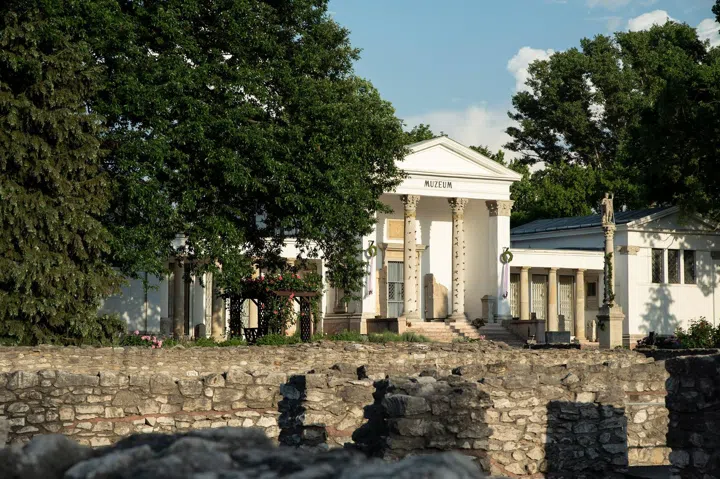

The Béla Bartók National Concert Hall seats 1,700 people on the Danube embankment at Komor Marcell utca, behind a full-height glass atrium wall lit from inside and facing the river. Two minutes along the bank, a ruined classical colonnade stands half-sunk in a shallow pool outside the National Theatre. Between Petőfi and Rákóczi bridges, the grass terraces of Nehru part step straight down to the water.
Fővám tér at the northern gate
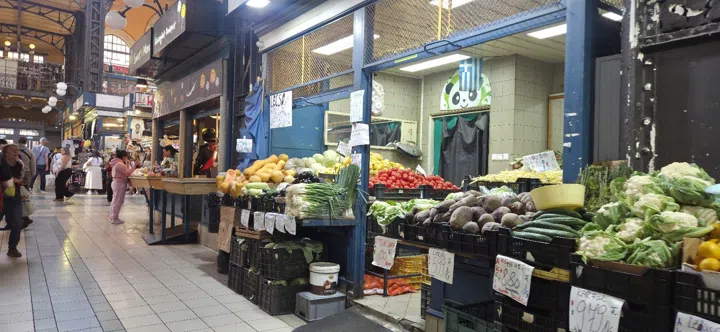
Great Market Hall (Nagyvásárcsarnok) (Fővám tér) has traded under its patterned Zsolnay-tiled roof since the iron frame went up in 1897, three galleried levels deep. Paprika strings and salami hang at the ground-floor stalls, and the lángos counters line the upper gallery. Entry is free. The hall opens at 06:00 and closes at 17:00 on Monday; Tuesday to Friday it runs to 18:00 and Saturday to 16:00. It shuts on public holidays. Mid-morning is a crush and the eating counters upstairs are small, so come at opening or in the last hour.

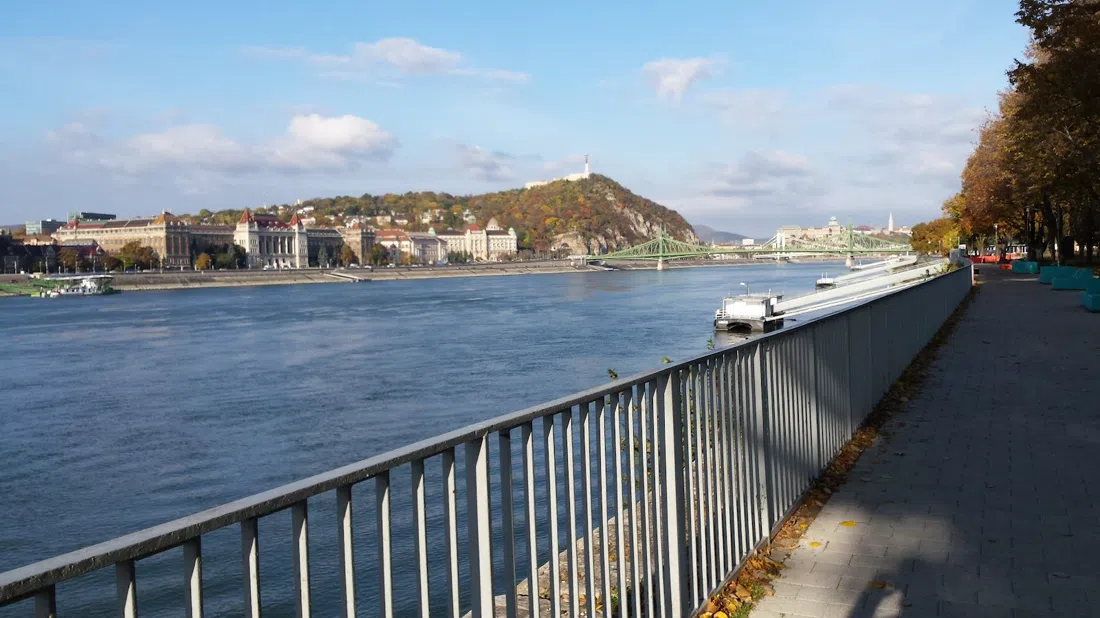
Bálna Budapest (Fővám tér) is a glass whale ribcage built onto two 19th-century brick Danube warehouses, and it shares Fővám tér with the market, so the two make one stop. Entry is free and the building is open 09:00 to 20:00 every day. Walk through to the river-facing terraces below, which look across at the green ironwork of Liberty Bridge and Gellért Hill. The complex is now run as a defence centre, and its indoor exhibitions and Arena activities have been closed indefinitely since 2 June 2026. What is left is the architecture and the walk through it.
Rombusz Terasz (Bálna, Fővám tér) is the broad open deck on the Danube side of those glass ribs, with tables at river level facing Gellért Hill. The menu changes with the season and the wine and cocktail list is long. It opens 10:00 to midnight daily, and Tuesday nights run to 04:00. Ask for a table on the river side.

A38 Ship (A38 Hajó) (Buda bridgehead, Petőfi Bridge) is a converted black Ukrainian stone-carrier with a concert hall sunk into its cargo hold, a deck restaurant and a roof terrace low over the water. Lonely Planet readers once voted it the world's best bar. Concerts run 4,000 to 12,000 Ft, and food and drink on the deck are mid-range. The door is informal, with no dress code. The hold fills fast on gig nights, so buy ahead for a band you care about and finish upstairs at river level.

Nehru part on the riverfront
Nehru part (riverbank between the two bridges) is free parkland with no gate. A concrete skate bowl, a timber playground and fitness equipment sit behind the terraces, and Budapest's first biodiversity park runs in wildflower beds alongside. Gellért Hill fills the view across the river. The path is also the walking link between Bálna and Müpa, so it is worth an hour rather than cutting inland.
Müpa, the Ludwig and the National Theatre
Müpa Budapest (Palace of Arts) (Komor Marcell utca) is a monolithic glass-and-stone cube with Rákóczi Bridge sweeping past behind it, and the Bartók hall inside is one of Europe's best-sounding rooms. The Festival Theatre shares the building. Programming covers jazz, world music, opera and the Budapest Wagner Days alongside classical, and concert tickets run 2,500 to 20,000 Ft depending on the programme. Check the calendar before you fix your dates.

Ludwig Museum of Contemporary Art (Müpa west wing) holds Hungary's main collection of post-1945 international and Central European art, strong on the Eastern Bloc avant-garde. It fills three floors of white, high-ceilinged galleries, with a long panoramic window strip over the Danube and the Buda hills. One exhibition costs 3,300 Ft and the combined ticket 6,600 Ft; concessions pay 1,650 Ft. It opens 10:00 to 20:00, Tuesday to Sunday, closed Mondays. A Monday concert at Müpa will not include the museum, so if you want both, put the galleries and the hall on the same day between Tuesday and Sunday.

National Theatre (Nemzeti Színház) (Bajor Gizi park) is the quarter's most photographed building, a ziggurat of brick behind a ship's-prow glass façade, with sculptures scattered through the riverside park around it. The sunken portico and the park are free to wander without a ticket. Seats run 3,000 to 9,000 Ft; confirm the price at the box office. Some productions carry English surtitles, and the individual listing tells you which. The walk from Müpa takes two minutes.

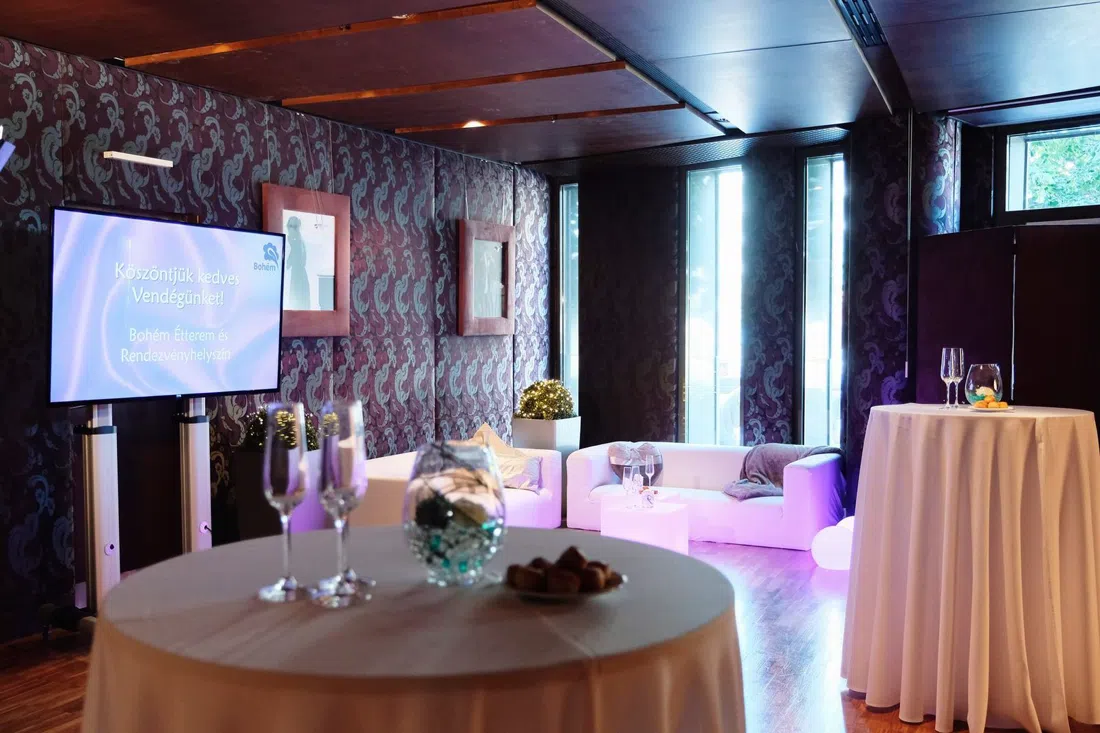
Bohém Étterem (inside Müpa) opens off the cavernous glass atrium, dark wood and warm brass with the Danube through full-height glazing. It serves 11:30 to 22:00 daily and later on performance days, and little else nearby serves late. Pre-theatre sittings fill the room on performance nights, so reserve when you buy the concert ticket.
Páva Street, Dandár utca and the streets inland
Holocaust Memorial Center (Páva Street Synagogue) (Páva Street, Ferencváros) is the most serious stop in the quarter, 10 minutes inland from the river. White concrete walls meet at deliberately skewed angles around a courtyard, the restored 1924 Páva Street synagogue rises inside, and the Wall of Names is cut into dark polished granite. It opens 10:00 to 18:00, Tuesday to Sunday, with the ticket office shutting at 17:00. Entry is free on Hungarian national holidays, including 20 August and 23 October. Guided visits must be booked in advance.

Zwack Unicum Heritage Visitors' Centre (entrance on Dandár utca) tells the story of Unicum, Hungary's bitter national liqueur, made by the same family since 1790. The red-brick distillery stands on Soroksári út with the gold-cross Unicum roundel on its wall, and the visit runs through a cellar of oak ageing casks and past a wall of thousands of antique miniature bottles. The ticket covers the film and a tasting at the end. It opens 10:00 to 17:00, Monday to Saturday, closed Sundays.

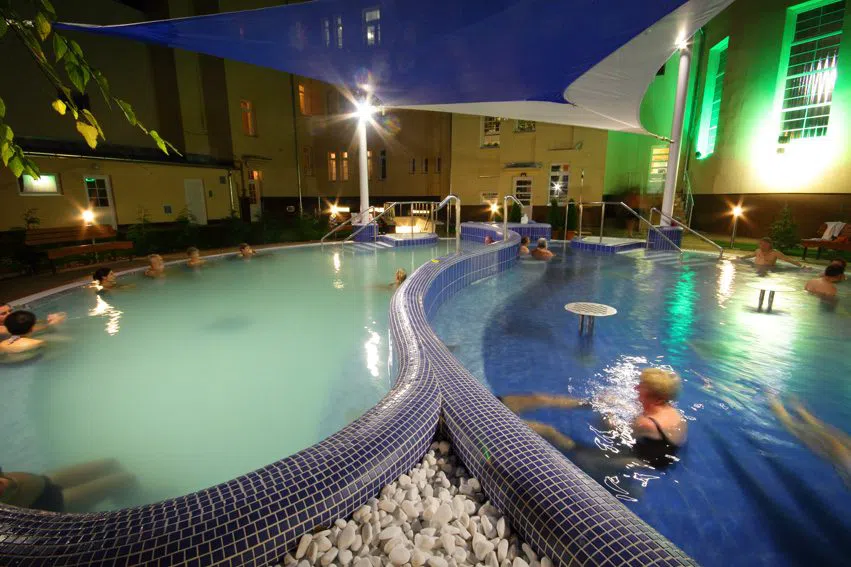
Dandár Thermal Bath (Dandár Gyógyfürdő) (next door to Zwack) is a small ochre-rendered municipal bathhouse from the 1930s, with two tiled indoor pools under a low vaulted hall and a compact outdoor pool and plunge in a walled yard. It is the cheapest bath in the Budapest Spas stable. Thermal tickets cost 3,500 Ft on weekdays and 4,000 Ft at weekends. The complex ticket, with sauna and outdoor pools, is 4,500 to 5,000 Ft. The bath serves locals and has essentially no tourist infrastructure, so bring a handful of people at most rather than a coach party. Come here instead of Széchenyi if you want the water without the crowd.
Budapest Park and the summer season
Budapest Park (Soroksári út) is Europe's largest open-air music venue, a fenced arena set back from the riverside with a floodlit main stage, food and bar shacks round the edge and room for 13,000 people on gravel under poplars. Gates open at 18:00 and event nights run to 05:00. Tickets run 5,000 to 25,000 Ft depending on the act, and some shows sell VIP and table places. The 2026 season ran from 22 April to 4 October. Dates for 2027 are already on sale, and the site is shut through the winter.
Across Rákóczi Bridge to Kopaszi-gát
Kopaszi-gát / BudaPart (across Rákóczi Bridge, 15 minutes on foot from Müpa) is a narrow grass spit between the open Danube and the still water of Lágymányos Bay. A kilometre of willow-lined path runs its length, past a sandy bay beach, wooden piers and playgrounds, with the curved glass MOL tower rising behind. The parkland is free and the restaurants stand almost end to end along the dam. It is best on a warm evening.
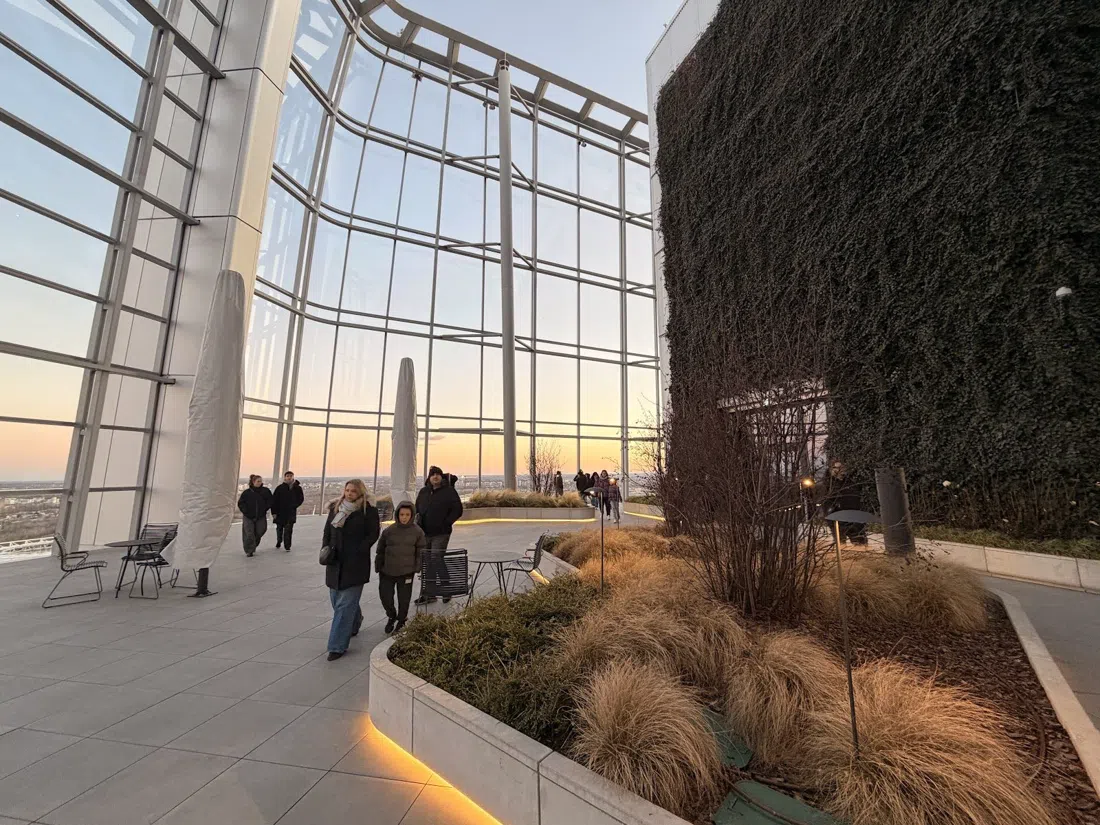
MOL Campus SkyDeck (Kopaszi-gát side of Rákóczi Bridge) is an open-air platform 120 metres up the curved glass flank of Hungary's tallest building, with the Danube bend and Gellért Hill below and the Millennium Quarter laid out across the water. A panoramic lift climbs from the ground-floor visitor centre. Tickets cost 4,000 to 5,000 Ft per adult, sold online only in timed slots. It opens 10:00 to 19:00 daily, last entry an hour before closing, and the deck shuts on the third Monday of each month. Capacity per slot is capped hard, so a large group must book well ahead and may be split across slots.
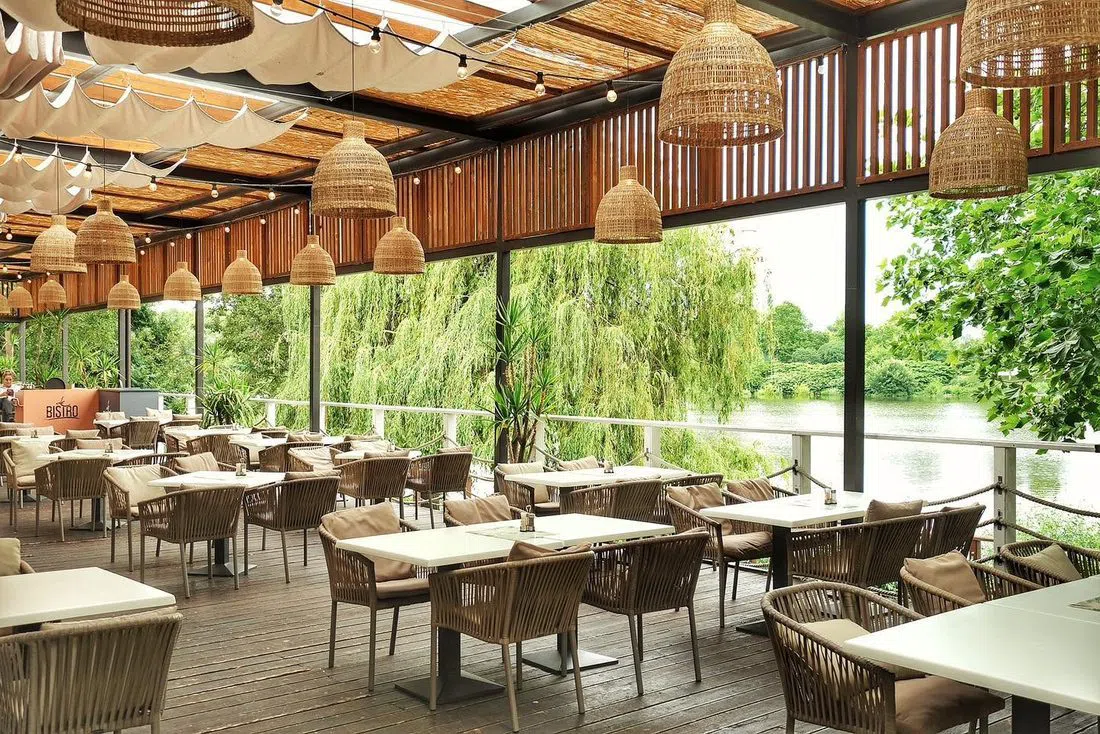
Le Bistro (Kopaszi-gát, at the dam's number 4) sits on a timber deck right on the waterfront, willows overhead and small boats moored a few metres out on the bay. The kitchen cooks seasonal bistro dishes, steaks and some Asian plates, and it keeps its hours all year. Monday to Thursday and Sunday it serves 11:00 to 22:00, Friday and Saturday to 23:00. Call or email ahead for a terrace table.
Closed days and bookings
Mondays close the Ludwig, the third Monday of the month closes the SkyDeck, Zwack does not open on Sunday, and the market hall shuts on public holidays. Book the SkyDeck online before you travel, reserve at Bohém Étterem on any night with a concert in the building, and ask the National Theatre box office which productions carry surtitles.
See the Budapest guide and the Budapest hotel search.
Questions
What is open inside Bálna Budapest now?
The building and its river-facing terraces are open 09:00 to 20:00 every day and free to enter. Bálna is run as a defence centre, and its indoor exhibitions and Arena activities have been closed indefinitely since 2 June 2026, so what is left to see is the architecture and the walk through it.
When does Budapest Park run?
The arena only opens in season: 2026 ran from 22 April to 4 October, and 2027 dates are already on sale. On event nights the gates open at 18:00 and the arena runs to 05:00, with tickets from 5,000 to 25,000 Ft depending on the act.
Which closing days should I plan around?
The Ludwig Museum is closed on Mondays and Zwack on Sundays. The Holocaust Memorial Center opens Tuesday to Sunday, with its ticket office shutting at 17:00. The Great Market Hall shuts on public holidays, and the MOL Campus SkyDeck closes on the third Monday of each month.
How do I get from Müpa to Kopaszi-gát?
Rákóczi Bridge takes about 15 minutes to walk, from Müpa over to the Kopaszi-gát promenade, where the parkland is free and the restaurants run along the dam.
Where can I eat near Müpa after a concert?
Bohém Étterem is inside Müpa, open 11:30 to 22:00 daily and later on performance days, when pre-theatre sittings fill it. At the quarter's north end, Rombusz Terasz sits on the Danube side of Bálna and serves 10:00 to midnight, until 04:00 on Tuesdays.
First published on budapestcitybreaks.com, the Budapest guide.