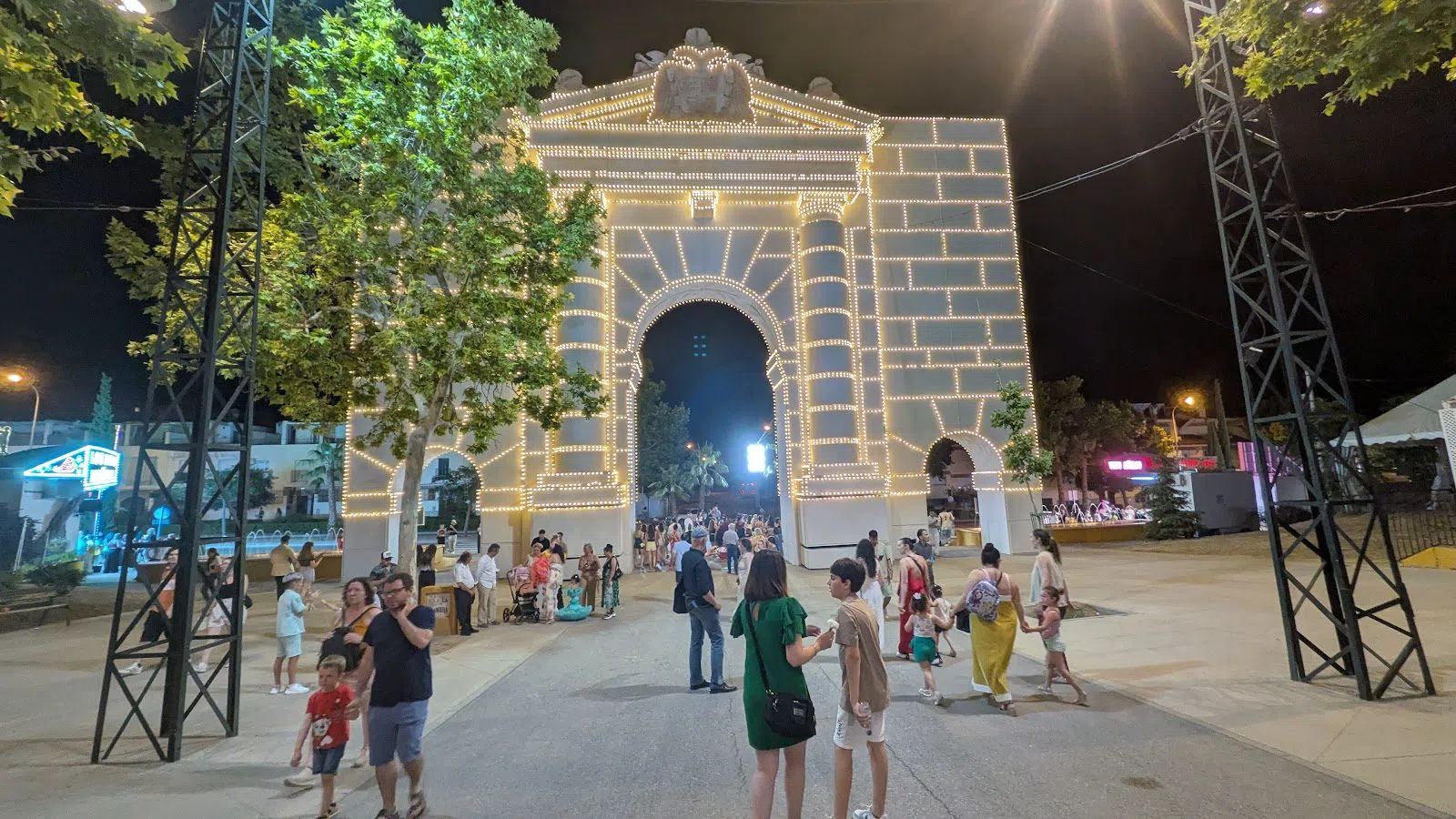
Two hundred and twenty drones opened Granada's Corpus at midnight on 30 May 2026, assembling the alumbrao over a flat stretch of ground in the north of the city while the Alhambra sat dark and unbothered behind everyone's back. For the week that follows, the postcard version of Granada goes on standby and the working one takes over: twenty cartoon panels mocking the year's local scandals in a central square, a papier-mâché dragon leading the city's fashion verdict down Gran Vía at noon, and seventy-two casetas that do not stop until the churrerías open. It is the least-documented big week in Andalusia, and the easiest one for a visitor to walk straight into.
The shape of the week
Corpus Christi is a movable feast, which is why Granada's biggest week drifts across the calendar. In 2026 it opened at midnight on Saturday 30 May and closed the following Saturday, 6 June, with fireworks over the river. Between those two nights the city runs a double life. Mornings and afternoons belong to the centre: a procession, a satirical exhibition, a pottery market laid out under the plane trees, a bullfight for those who want one. Nights belong to the fairground in Almanjáyar, where nothing really begins until midnight. The rhythm is brutal and completely normal here: sleep late, take the centre slowly, eat at eight, arrive at the fair at one in the morning, eat again at six. If you know Granada only from the hill, the rest of its year sits in our Granada guide, and this week is the one the hill has nothing to do with.
Nights at the Almanjáyar fairground
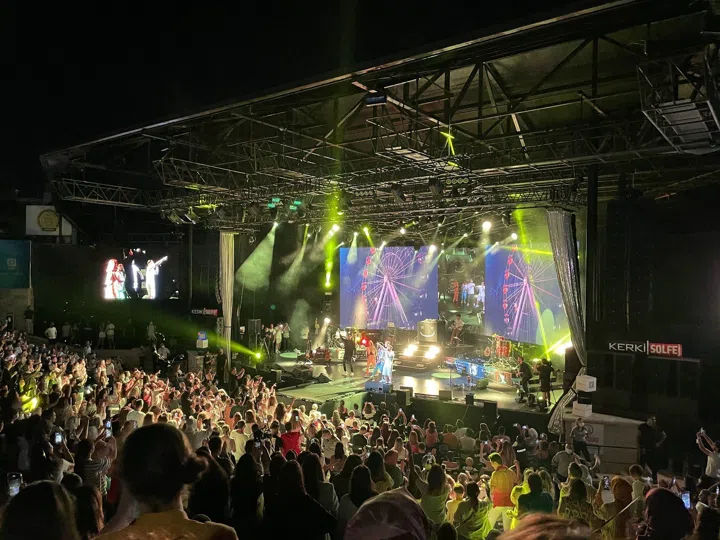
The fair itself is the Recinto Ferial de Almanjáyar (Almanjáyar, in the north of the city), and it is free. Free to enter the site, free to enter every caseta on it, no wristband, no list, no one on a door deciding whether you look right. Seventy-two casetas went up in 2026 (sixty-two traditional ones belonging to peñas, associations and families, seven institutional, three commercial), strung along numbered streets with churro stalls and bars filling the gaps and a funfair rattling away at the edge. A drink runs about €2.50 to €4; the rides are €2.50 to €5.
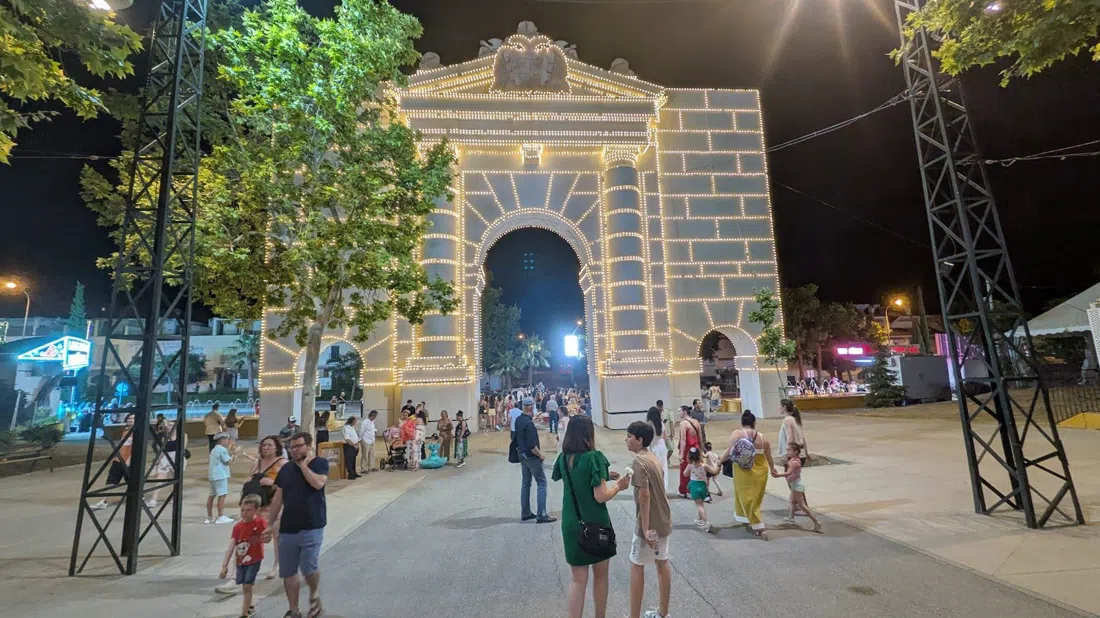
The casetas are canvas rooms with a bar down one side and a tiled dance floor down the other, and by two in the morning every one of them is a wall of sound. Walk the lanes rather than committing to the first door. The character changes every twenty metres: one room is a neighbourhood association where three generations of the same family are dancing, the next is essentially a nightclub with better lighting.
Almanjáyar is not walkable from the monumental side of the city and you should not try. The metro's Jaén stop is a few minutes away, and special €2 fair buses run on the peak nights. The only real friction of the whole week is the journey back at four in the morning, when several thousand people want the same taxi at once.
The one caseta you can be certain of entering
Traditional casetas are nominally open to all and in practice full of their own people. You can walk in, but you are a guest at somebody's family party and should drink like one. If your group wants certainty, go to the Caseta Municipal del Ferial (Calle La Zambra, on the fairground, between El Polo and La Reja). It is run by the council, it has no membership and no guest list, and it carries the official fair programme of bands and dance. Beer or rebujito is about €3. This is the caseta that works for ten people who do not know a soul in the city: nobody will freeze you out, and the music is the fair's own rather than a private playlist. Use it as a base and make forays into the traditional casetas from there.
Wednesday noon and the Tarasca
The most photogenic hour of Corpus happens at street level and costs nothing. The Tarasca, a dragon ridden by a mannequin dressed in what the city has decided is next season, leaves Plaza del Carmen (centre, the square in front of the city hall) at 12:00 on the Wednesday, 3 June in 2026, and loops by Reyes Católicos, Gran Vía, San Jerónimo, Trinidad and Mesones before coming back. Granadinos genuinely read the dress as a verdict, and argue about it afterwards the way other cities argue about football.
Be in place well before noon with a group or you will photograph the backs of phones. Plaza del Carmen doubles as the daytime fair once the procession has gone, so there is no penalty for arriving early and standing about.
The cartoons nobody translates
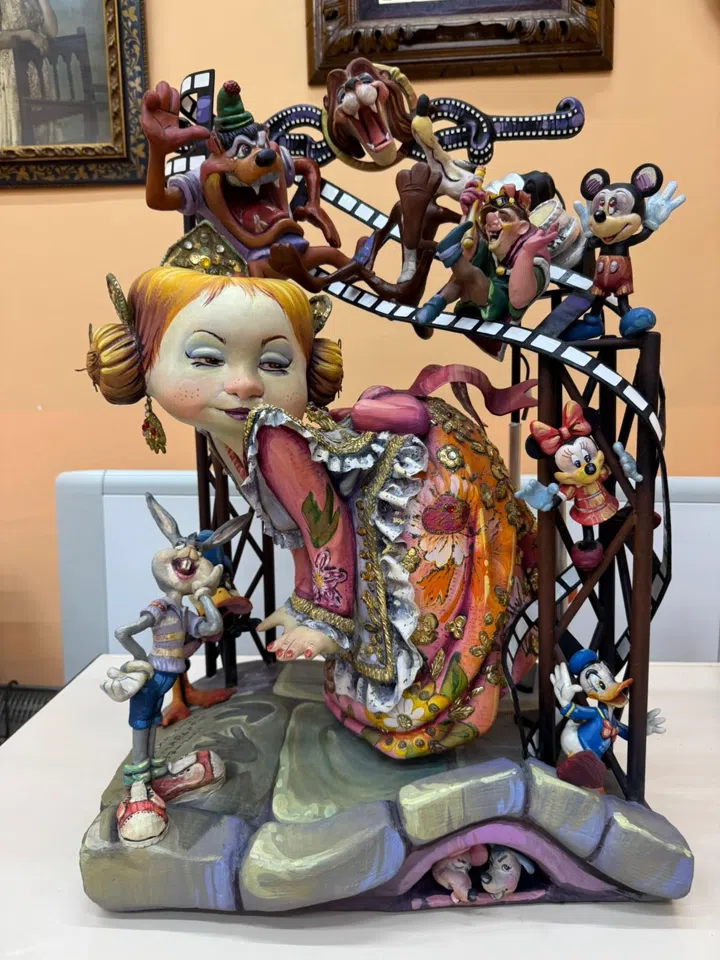
A hundred metres away, Plaza Bib-Rambla (centre) holds the wittiest thing in the festival and the part no Alhambra guide mentions. The carocas, twenty painted cartoon panels in 2026 chosen from 260 entries and unveiled on 1 June, skewer the year's municipal scandals, each with a five-line quintilla under it. They stay up all week, and the square around them is where the city stands with a coffee reading and snorting.
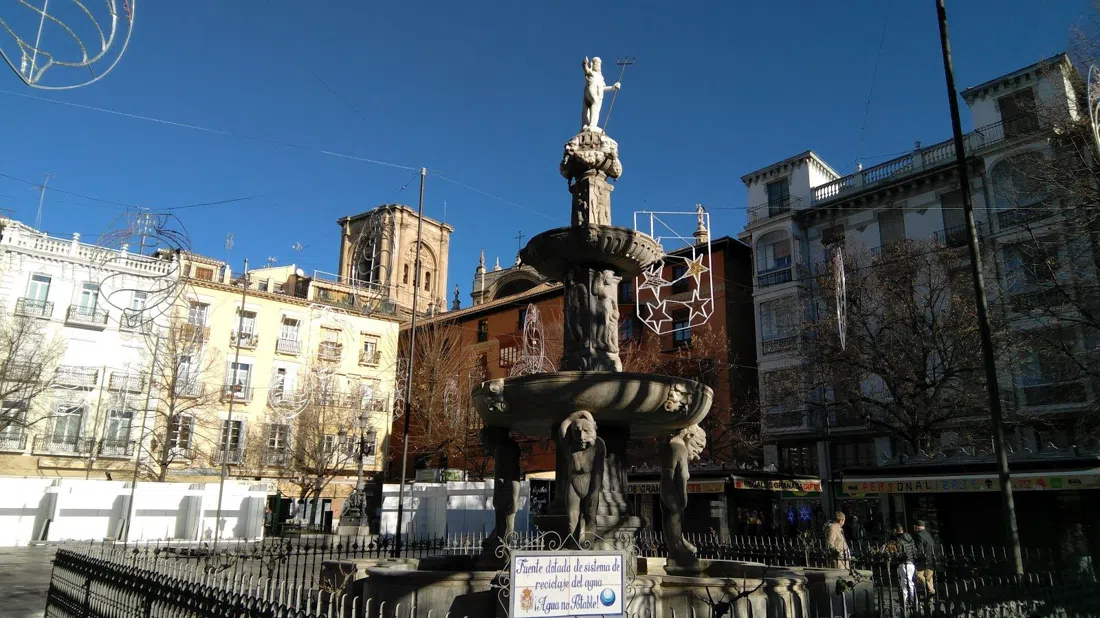
The jokes are in granaíno Spanish, dense with local names and slang, so bring a patient Spanish speaker or accept that you are looking at pictures. Coffee and churros on the square run about €4. The terraces take walk-in groups happily at most hours and not at all when a procession is due through.
Thursday morning at the cathedral
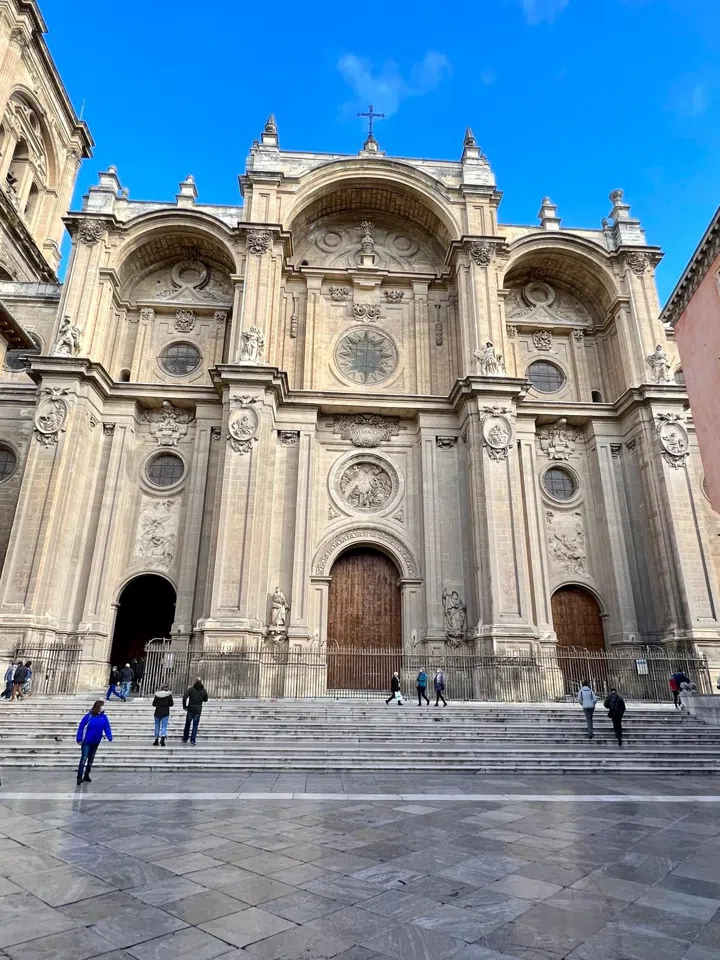
The religious spine of the week is the Corpus procession, which sets off from the Santa Iglesia Catedral de Granada (centre) at 10:15 on the Thursday, with the Corpus concert sung inside. General visits need no reservation the rest of the time (€10 general, €8 reduced, €5 for residents, under-12s free, and group tickets at a set per-head rate with one person paying for the party), but on procession day the nave closes to sightseers and the opening hours move. Check them the same week rather than trusting a printed board.
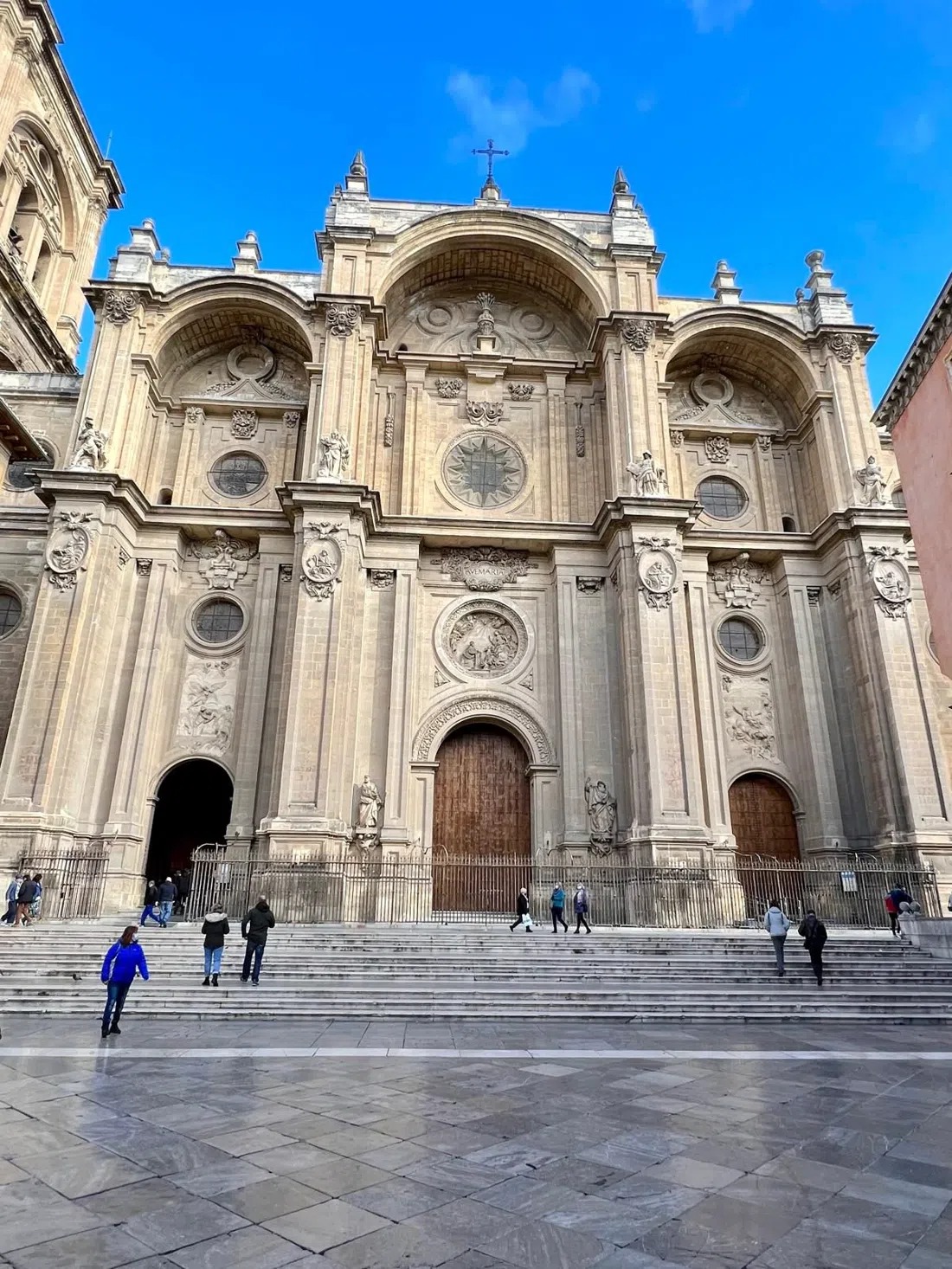
Through 28 November 2026 the cathedral also holds the Kerygma sacred-art exhibition, which is what the current ticket covers, so a visit on a non-procession morning buys you more than the building.
The bullring, and the honest warning
The Feria Taurina at the Plaza de Toros de Granada (Monumental de Frascuelo, north-west of the centre) runs 3 to 7 June 2026: a novillada, three corridas and a rejones card, with Morante de la Puebla and El Fandi among the names. Seats are sold by block through the ring's own ticket office and through the authorised agency that handles the cycle online; season tickets cover the whole run. Sol seating starts around €25 and shade at the barrier passes €150, with a 10% promoter surcharge and roughly €12 handling on top.
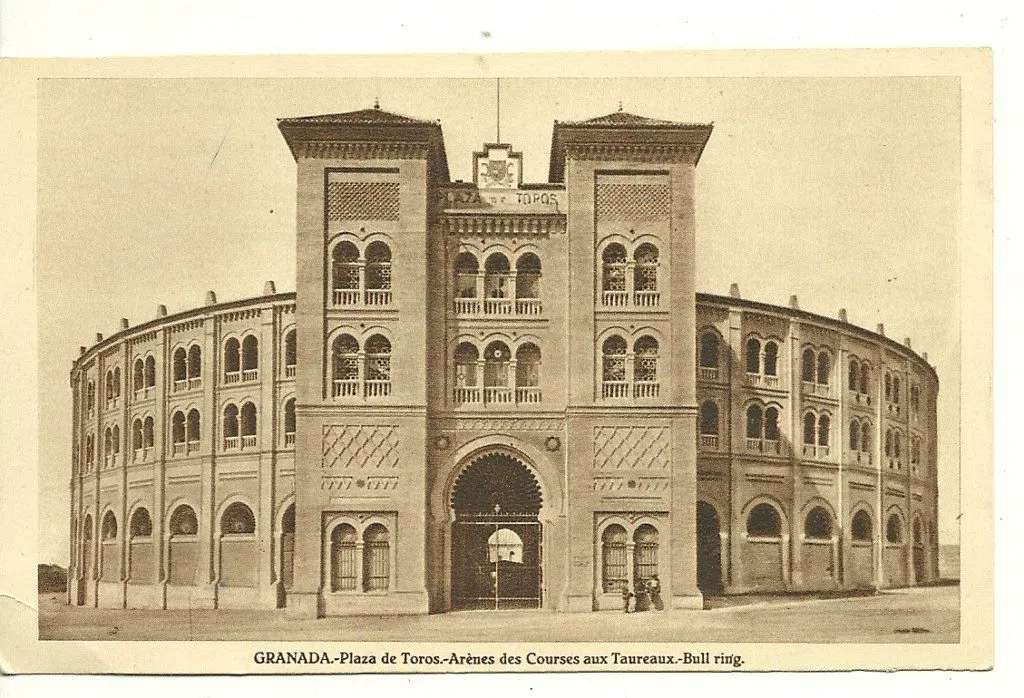
This is a bullfight. The bulls are killed in the ring, and a large share of international visitors will want no part of it. Skip it without guilt: the fair does not require it, and the afternoon it anchors can just as easily be spent among pots and Nasrid brickwork. If you do go, go for the whole card rather than dipping in, and understand what you have bought a ticket to.
Afternoons between the procession and the fair
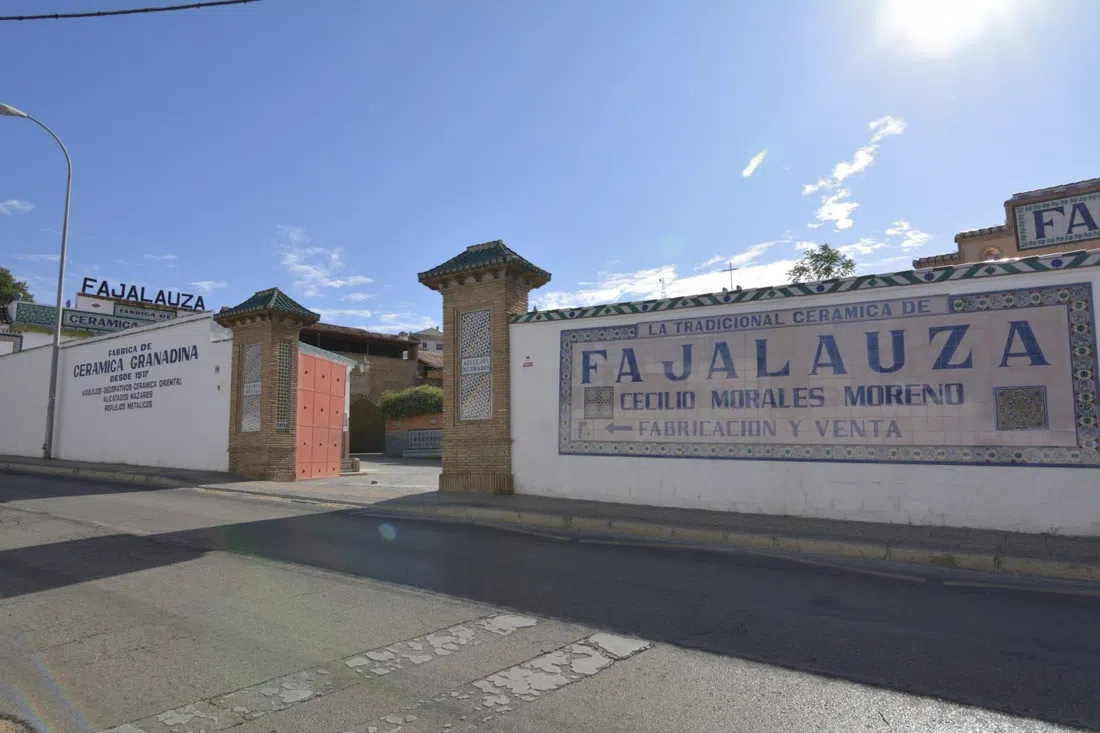
The dead hours between the morning procession and the night at Almanjáyar are the week's quiet pleasure. The Feria de Alfarería y Cerámica Tradicional de Granada (Carrera de la Virgen) reached its 33rd edition in 2026, open 10:00 to 22:00 through the week: the actual potters of the province at their own stalls, not souvenir-shop stock, with pieces from about €8 to €120. Several will pack and ship, which is the difference between admiring a glazed bowl and owning one when you fly home.
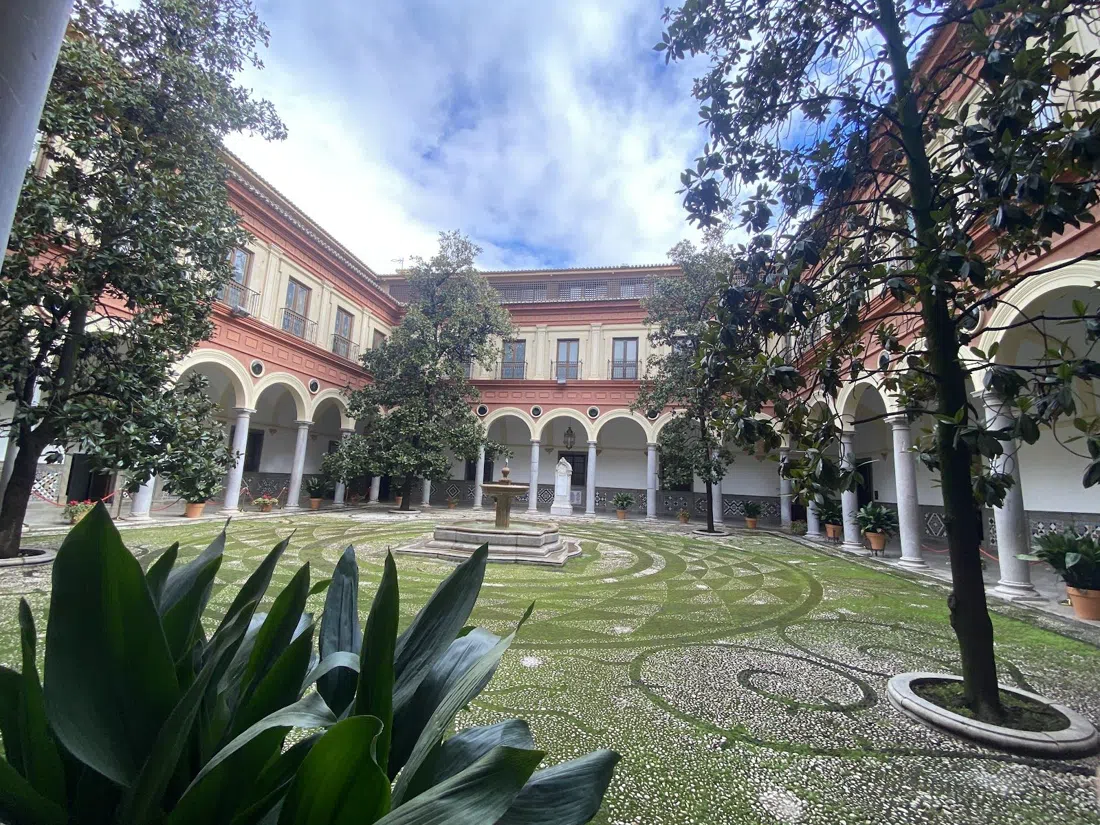
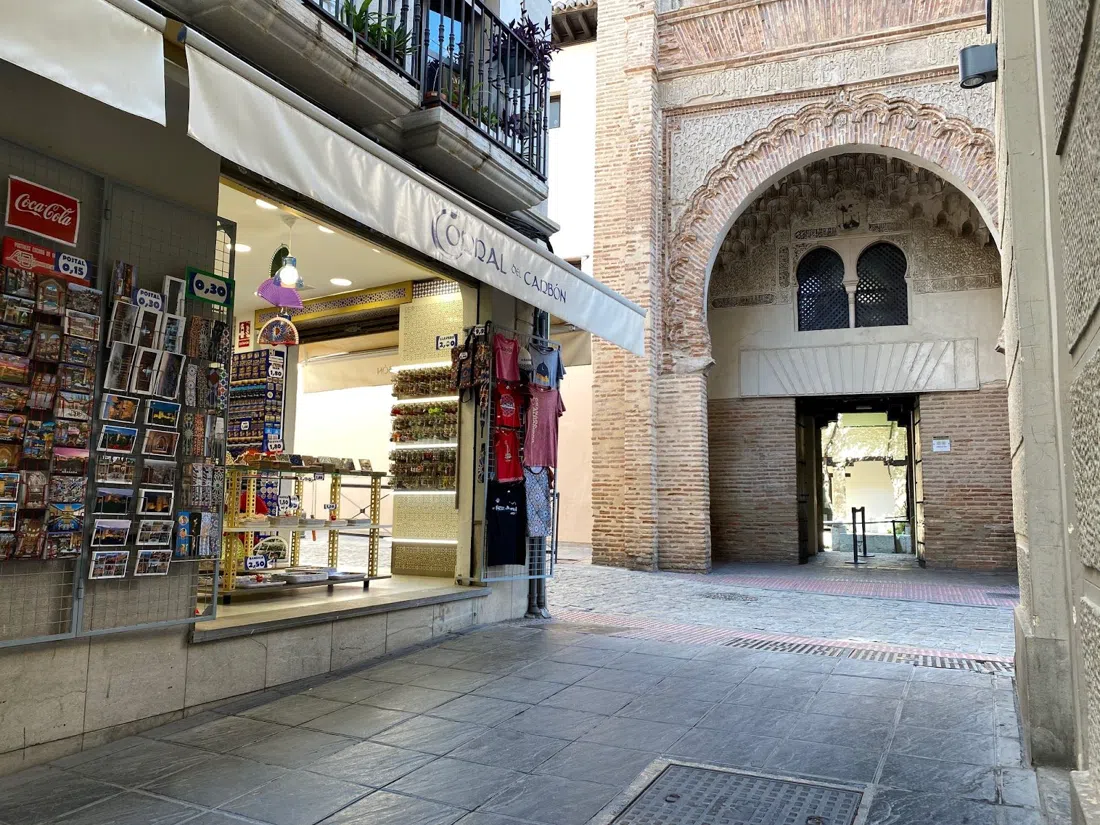
Ten minutes away, the Corral del Carbón (centre, a courtyard off the shopping streets) is the oldest surviving Moorish inn in Spain, a square of brick and timber where merchants once stabled animals downstairs and slept above. It is free and unticketed, and the council stages theatre in the courtyard on the fair's opening and closing weekends. It is small: a group of a dozen should split and drift. From May it keeps a long siesta break, roughly 09:00 to 14:30 and 17:00 to 20:30.
Concerts on the hill
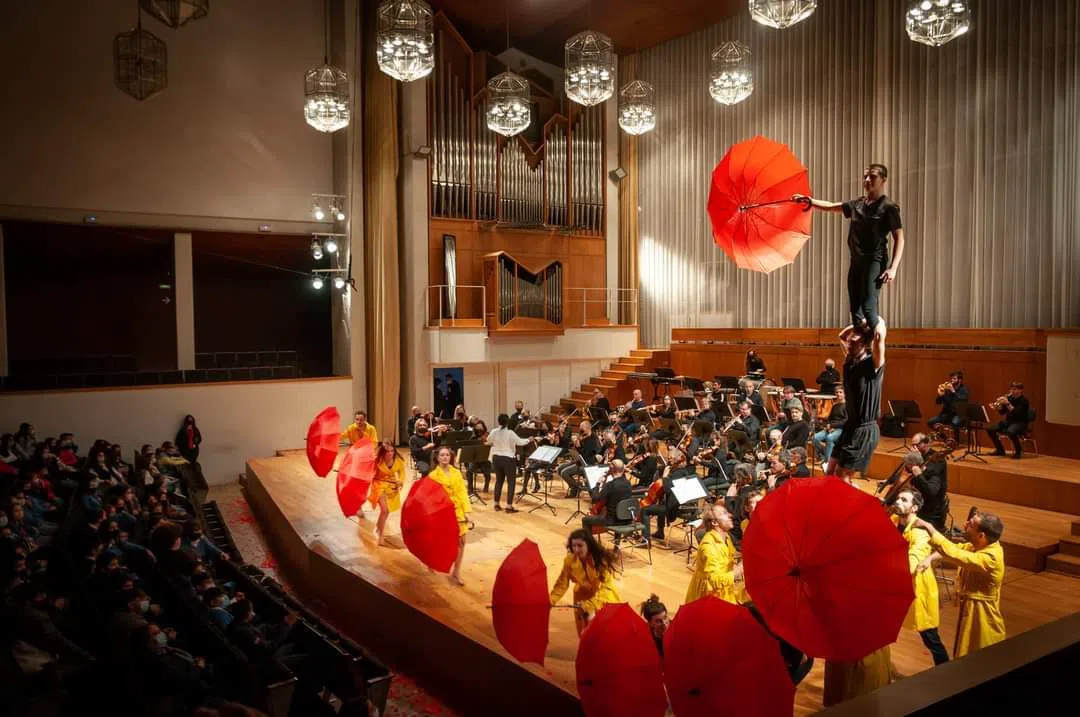
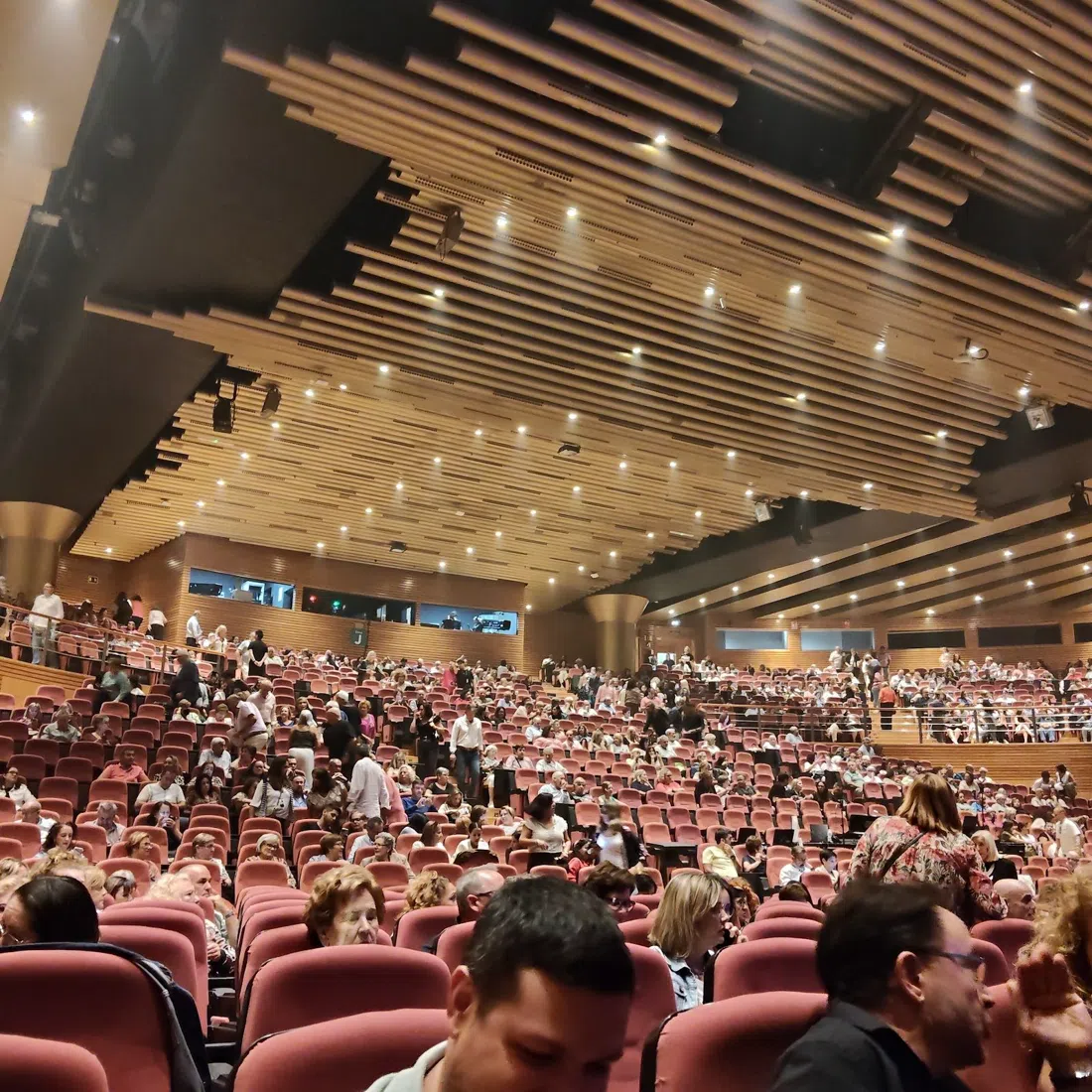
Corpus carries a classical strand too, at the Auditorio Manuel de Falla (on the Alhambra hill), where the Orquesta Ciudad de Granada and guest programmes play a 1,240-seat room with some of the best acoustics in Spain. Tickets run roughly €15 to €40 and the box office takes block bookings, which makes it one of the few evenings a large group can organise cleanly. The walk up is steep, so budget for it or take a taxi to the door. The Casa-Museo Manuel de Falla stands beside the hall and opens Tuesday to Saturday, so an afternoon in the composer's small white house pairs neatly with a concert that night.
Flamenco while the fair is on
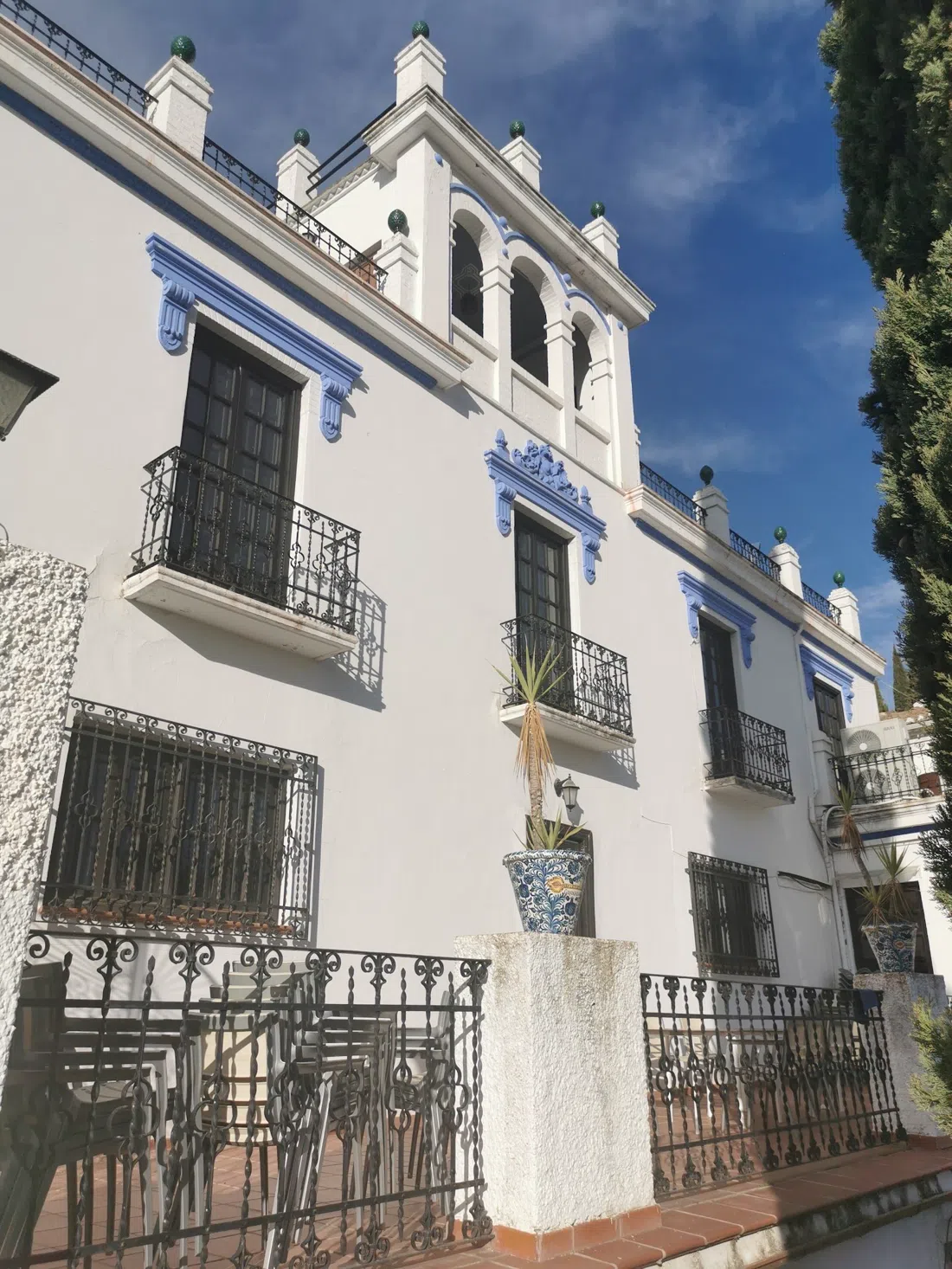
Corpus falls inside the season of the Peña La Platería (Albaicín), founded in 1949 and the oldest flamenco peña in the world, which runs from October to June. It is a private members' club that opens its Jueves Flamencos and Sunday midday sessions to the public for roughly €10 to €20. Reserve ahead, keep the party small, and behave like an audience rather than a tour. There is no concession to spectacle here, and no tolerance for talking. Send the aficionados; warn everyone else off.
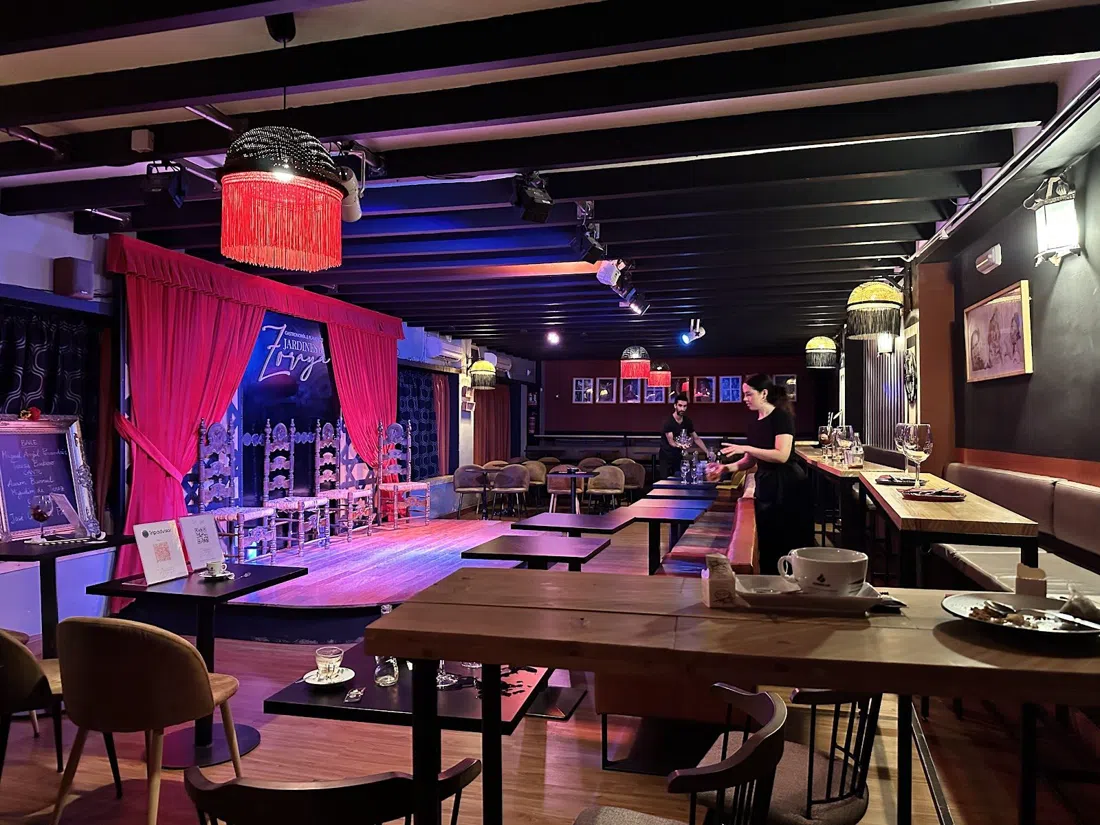
For a group that needs a fixed time and a seat each, Jardines de Zoraya (Albaicín) is the dependable answer: open 16:00 to 23:00 with shows at 18:00, 20:00 and 22:30, about €25 for the show with a drink or €45 to €70 with dinner, under-sixes free, booked online. It is a tablao, a professional five-artist hour, and an honest first flamenco night rather than a deep one.
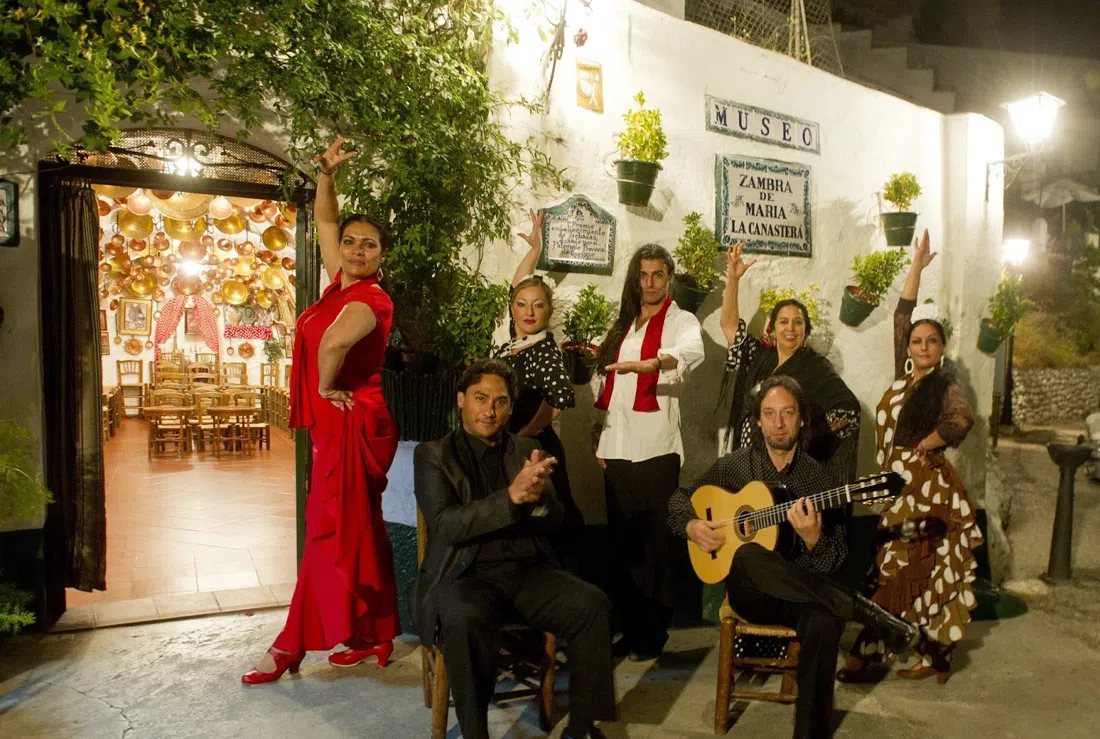
The deep one is Zambra María la Canastera (Sacromonte), a cave run for some seventy years by the descendants of María Cortés Heredia. Capacity is fifty-five, there is one show a night at 19:45, arrive twenty minutes early, and book well ahead in Corpus week; €26 for adults, €20 for children aged five to eleven, a drink included. The cave can be hired privately. The zambra is Granada's own gitano wedding dance, performed facing a partner down the length of the cave, and it is the reason the casetas out at Almanjáyar dance the standard Andalusian couples' form while the city itself quietly claims something older.
Eating around the fair
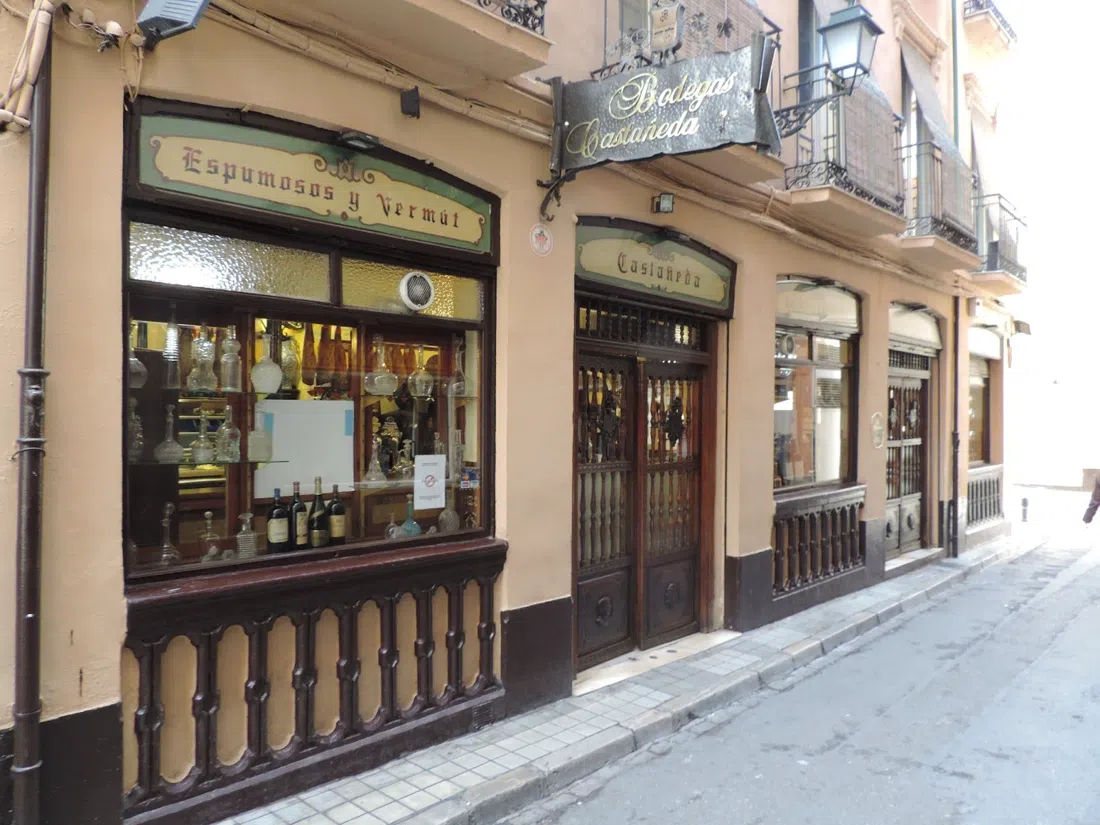
Bodegas Castañeda (centre, a minute off Calle Elvira) has been pouring since 1953 and remains the benchmark for the free-tapa ritual visitors have heard about and rarely see done properly: order a drink, about €3.50, and food arrives unasked. It is standing room and elbows, fine for four or five, hopeless for twelve at peak. Go at 12:30 or after 20:00, and note that it sits on the Tarasca's return route, so the Wednesday is a scrum. Do not confuse it with the separate Antigua Bodega Castañeda on Calle Elvira.
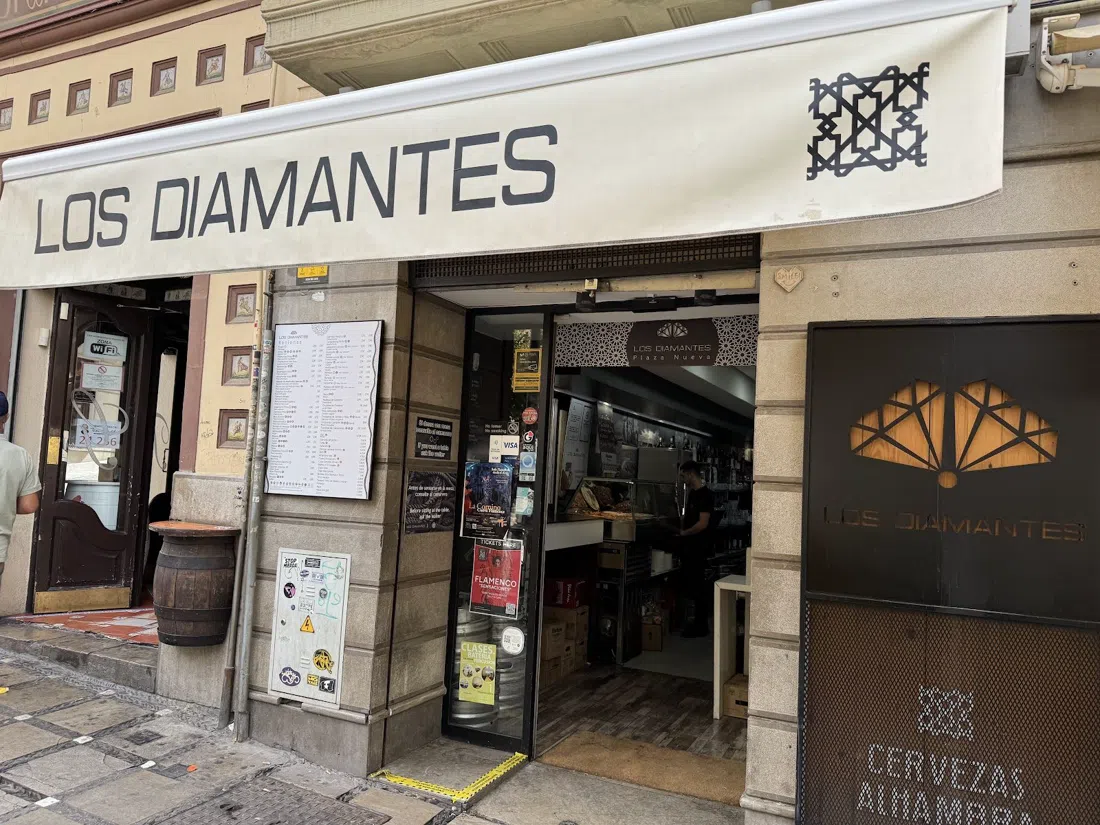
Los Diamantes (Calle Navas) has fried fish down to a science since 1942 and anchors the street everyone is funnelled along during the daytime fair. The original is walk-in only and permanently three deep; call ahead for a midday table, or send a group to one of the family's larger sister bars elsewhere in the city. Drink with a generous tapa is about €3.50, raciones €10 to €18.
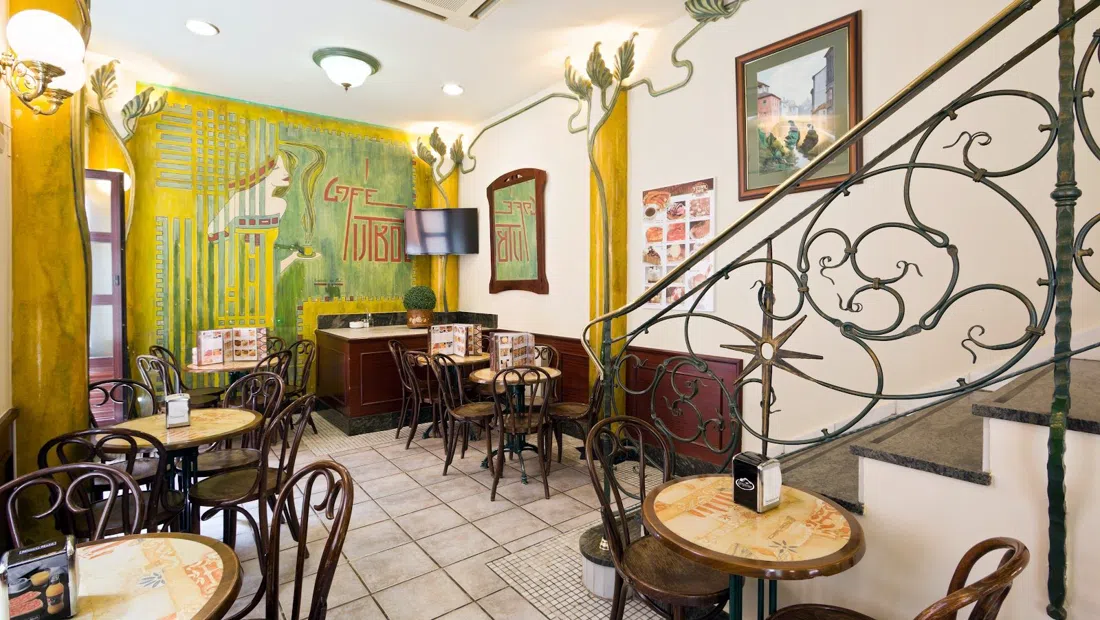
Café Fútbol (centre, on Plaza Mariana Pineda) opens at six in the morning and closes at midnight, and the fair ends at first light, which makes this the place where the city eats breakfast afterwards, still in last night's clothes. Chocolate con churros is €5 to €7, there is a big room and a terrace, no reservations are needed and a group is no problem. Open since 1903 and still family-run.
The last night
Corpus ends where the whole city can stand together. The castillo de fuegos artificiales goes up from the esplanade at the Palacio de Congresos y Exposiciones de Granada (riverside, ten minutes' walk from Puerta Real) on the closing Saturday, 6 June in 2026, roughly 22:30 to 23:15, after the municipal band has played. The ground is open and free, it is the easiest place in the festival to park a group of any size, and it is far better organised than the fairground for getting home afterwards. Arrive an hour early with something to drink and claim a patch of grass.
Practical notes for Corpus week
The 2026 dates ran from the midnight alumbrao on 30 May to the fireworks on 6 June, with the Tarasca on Wednesday 3 June, the cathedral procession at 10:15 on Thursday 4 June, and the bull cycle from 3 to 7 June. Corpus moves each year, so confirm the week before booking anything.
The city fills for it, and the good central rooms go months out. Start with a Granada hotel search and prioritise anywhere within walking distance of Puerta Real, because that is where the taxis and night buses will drop you. Staying up by the Alhambra is romantic and adds twenty minutes of uphill walking to every single night.
The centre is walkable and mostly closed to traffic. For the fairground, take the metro to Jaén or the €2 fair buses on peak nights; coming back at 4am, expect a long queue and share where you can. Nothing about Almanjáyar rewards an improvised walk home in the dark.
Carry cash. Caseta bars, churro stalls and the funfair are quicker with small notes and coins, and some stalls take nothing else. Draw out before you go north; there is no comfortable cash machine at three in the morning.
A full night at the fair costs €20 to €30 a head if you are drinking steadily. Add €10 for the cathedral, €25 for a tablao, €26 for the cave, €15 to €40 for a concert, from €25 for the bullring. The procession, the carocas, the Tarasca, the pottery market, the Corral del Carbón and the fireworks are all free, which means a genuinely good Corpus day can cost the price of breakfast and a few drinks.
For timing, do the centre before 14:00, sleep or drift through the afternoon, eat around 21:00, and do not arrive at the fairground before midnight unless you enjoy empty rooms. Locals dress properly for the Tarasca and for the casetas, not costume, just effort. Match it and the week opens up.
Questions
When is Granada's Feria del Corpus, and what are the key days?
It follows Corpus Christi, so it moves each year. In 2026 it opened with the midnight alumbrao on 30 May and closed with fireworks on Saturday 6 June. The fixed points within the week are the Tarasca parade at 12:00 on the Wednesday (3 June 2026) from Plaza del Carmen, the cathedral procession at 10:15 on the Thursday, the bull cycle from 3 to 7 June, and the closing fireworks at the Palacio de Congresos around 22:30 on the Saturday.
Can visitors get into the casetas, or do you need an invitation?
Entry to the Recinto Ferial de Almanjáyar and to every caseta on it is free, with no door policy and no guest list. In practice the traditional casetas belong to peñas, families and associations and fill with their own people, so you are walking into someone's party. If you want certainty, especially with a group, go to the Caseta Municipal del Ferial on Calle La Zambra, which is council-run and genuinely open to everyone.
How do you get to the fairground and back at four in the morning?
Almanjáyar is not walkable from the monumental side of the city. Take the metro to the Jaén stop, a few minutes from the site, or one of the €2 special fair buses that run on peak nights. Coming back is the only real friction of the week: several thousand people want a taxi at the same moment, so expect a queue and share where you can. Café Fútbol opens at six if you decide to wait the rush out over chocolate con churros.
What does a day of Corpus week actually cost?
Less than most people expect. The procession, the Tarasca, the Bib-Rambla carocas, the pottery market on Carrera de la Virgen, the Corral del Carbón and the fireworks are all free, and fair drinks run €2.50 to €4 with rides at €2.50 to €5, so a full night at the casetas is €20 to €30 a head. Paid extras: €10 for the cathedral, €26 for the Sacromonte cave, about €25 for a tablao with a drink, €15 to €40 for a concert, and from €25 for a sol seat at the bullring plus surcharges.
Do I have to go to the bullfight to experience the Feria?
No. The Feria Taurina is one strand among many, and a large share of international visitors will want to skip it. The bulls are killed in the ring, and there is no reason to book a seat out of obligation. The same afternoon works just as well at the pottery market, in the courtyard of the Corral del Carbón, or at a concert in the Auditorio Manuel de Falla, and none of it affects your night at the casetas.
First published on granadavacations.com, the Granada guide.