Salt is not a metaphor in this city. The Salzach still runs milky green under the bridges, the Dürrnberg still sits humped above Hallein with tunnels inside it, and the fortress on the hill was paid for by a mineral that men once floated downstream in flat-bottomed boats to be weighed, taxed, unloaded and weighed again. Walk that chain in the right order and Salzburg stops looking like a film set and starts looking like what it actually was: a very well-dressed toll booth with an army of clerks.
The mine came long before the archbishops
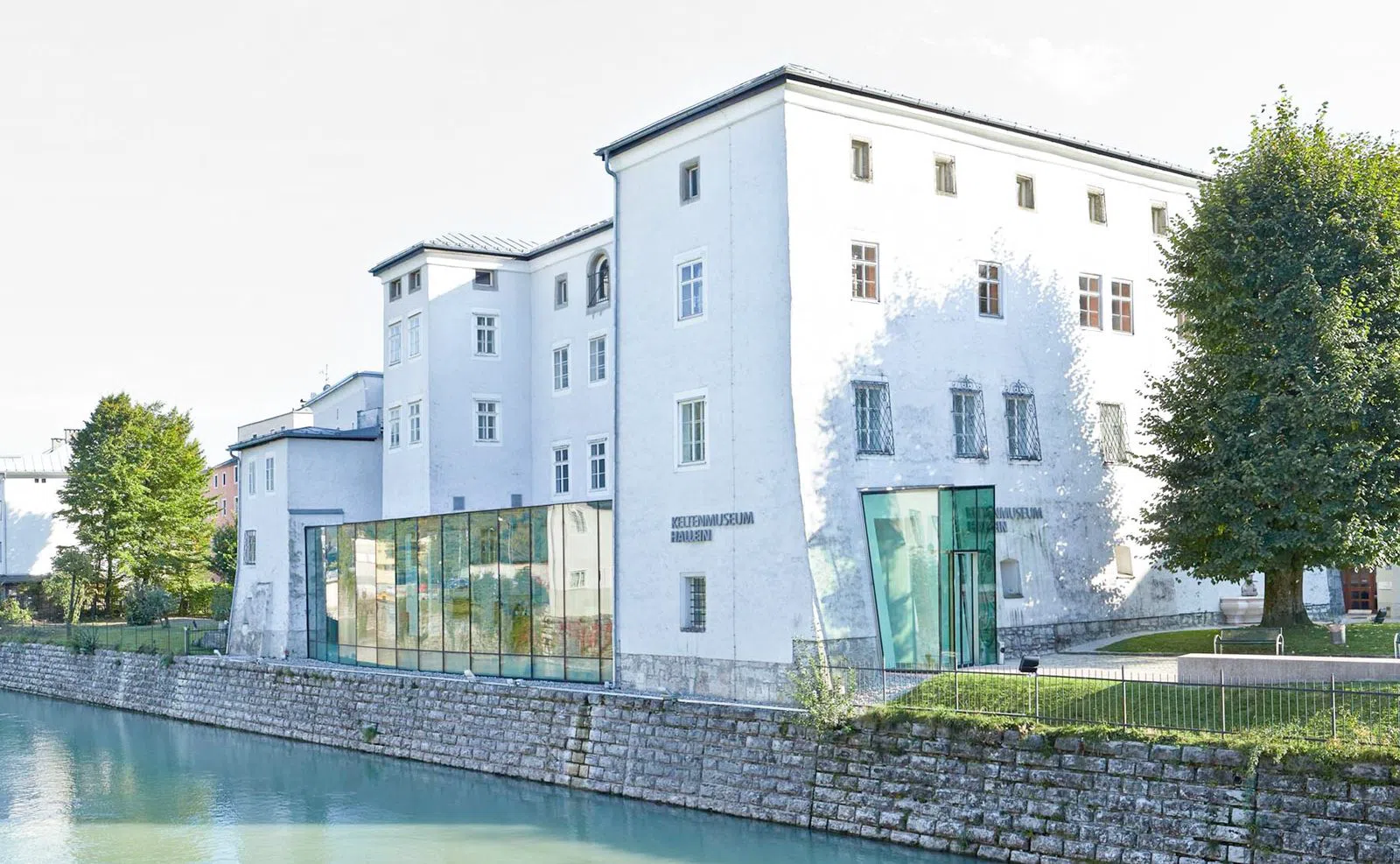
Start where the digging started. The Keltenmuseum Hallein (Hallein old town, about twenty minutes south of the city by regional train) holds one of the largest Celtic collections in Europe, and it exists because people were cutting salt out of the Dürrnberg some 2,500 years ago, a thousand years and more before any archbishop claimed the rights to it. The graves, tools and traded goods on display make a point the rest of Salzburg quietly skips: the city did not invent this business. It inherited it, then organised it ruthlessly. The museum sits in the building the salt office once ran from, which is the kind of coincidence that only happens in a company town.
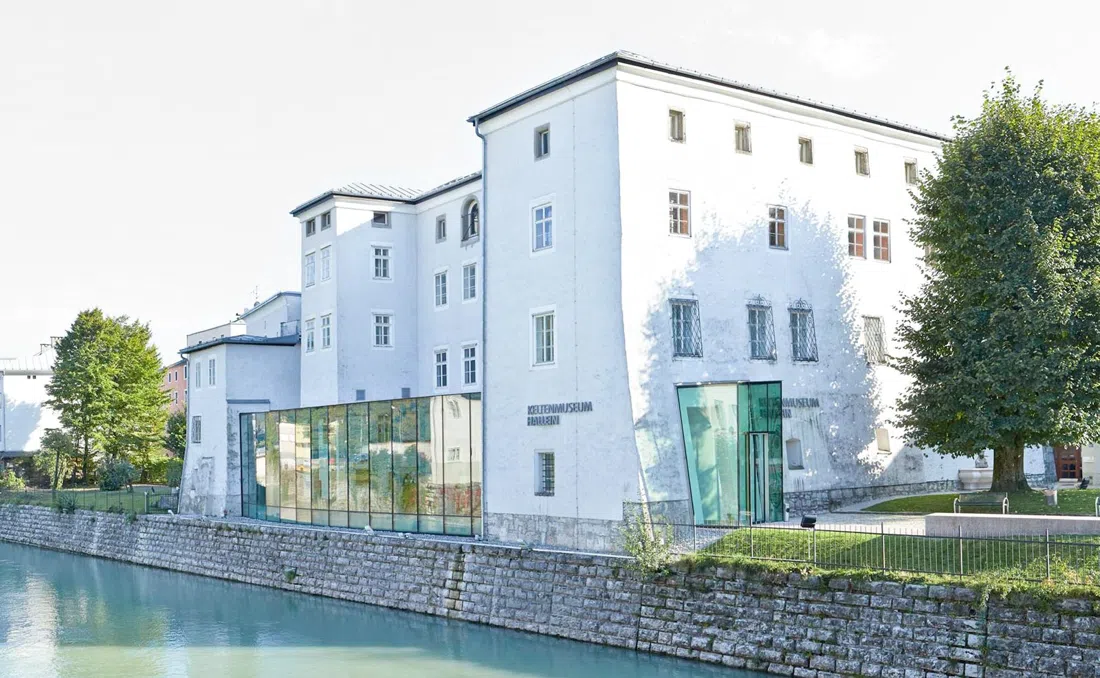
Adults pay somewhere between €6 and €10 depending on which sections you take. It suits couples and solo visitors particularly well, being calm, text-heavy and worth ninety minutes rather than twenty. Groups are genuinely welcome, but write ahead to [email protected] or ring +43 6245 80783, because guided visits and group slots are arranged rather than walk-up.
A short walk away stands the Alte Saline on the Perner-Insel (Hallein, on the island in the river), where Dürrnberg brine was boiled down into salt until 1989. That is the far end of the whole story and it is still standing: the last working link in a chain that ran for two and a half millennia, and the most atmospheric building in it. What you can do here is limited. There is no permanent museum and no daily opening, because the hall now works as a performance space, and in 2026 it staged Festival drama including Faust I and Unter Tieren. Without an event ticket you see it from the outside for nothing, which is still worth the detour for the scale alone. Pair it with the Keltenmuseum and a slow loop of Hallein's old town and you have a half day most visitors never think to spend.
Where the church and the counting house were one office
Back in the city, the DomQuartier Salzburg (Altstadt, between Residenzplatz and the cathedral) is the most efficient way to understand who got rich. The prince-archbishops held the salt monopoly, and the circuit you walk (residence state rooms, cathedral terrace, the gallery above the nave, the abbey museum) is the route they used between palace and church without ever setting foot in the street. Walking it argues the case better than any wall panel: this was a single institution with two faces, and the money for the marble came out of the ground at Hallein.
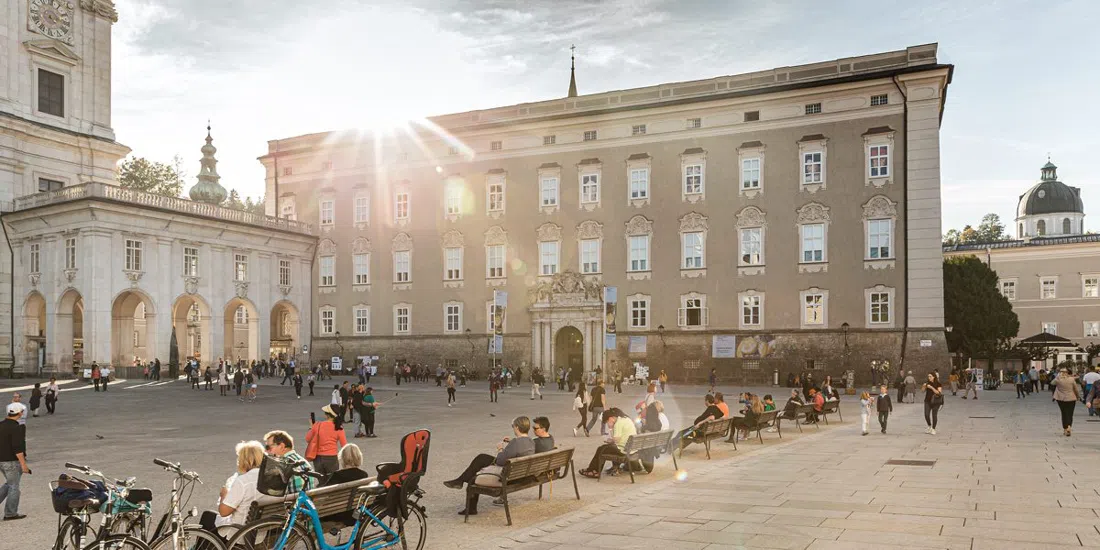
Full access is €15, a partial ticket €12, and groups of ten or more pay €12 per person, bookable through [email protected] or +43 662 80 42 21 09. It closes on Tuesdays, which catches people out week after week. Allow two hours as a minimum; there are long stretches of parquet and a lot of stairs, and it is not a stop you can rush.
Reading the river the way the barges did
The cargo moved on water, so you need to see the water as it was. The Orangerie Salzburg – Panorama & World Heritage (Mirabell Garden) is where the Sattler panorama now lives, and it is the best single image of the barge era in the city: a painted 360-degree view from the 1820s, made while the flat salt Plätten were still working the Salzach. Stand in front of the stretch of river north of the Altstadt and the trade reads as ordinary daily traffic rather than heritage.
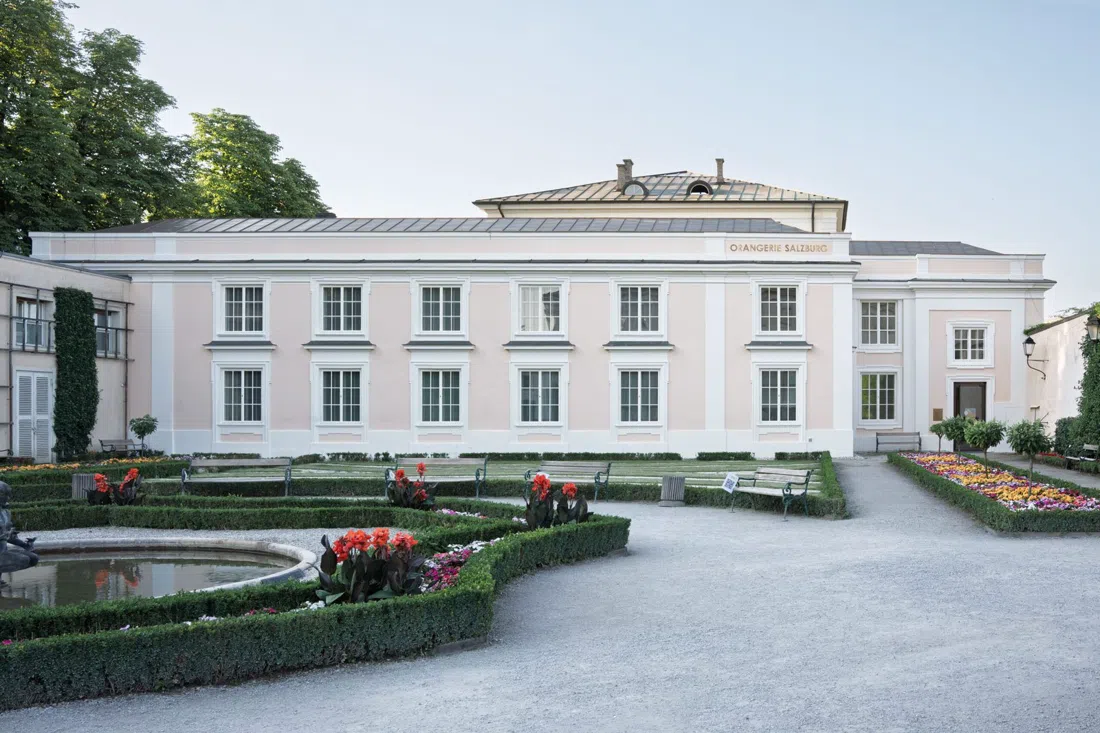
Entry is €8 for adults, €4.80 reduced and €16 for a family, open daily 9am to 5pm. Two practical warnings. Access is currently through a side gate in Mirabell Garden while the garden works finish, which runs to late November 2026 and is poorly signposted, so look for the gate rather than a grand entrance. This is also the stand-in for the Salzburg Museum's rooms in the Neue Residenz, closed for renovation until around 2027, so do not build a day around that address. The space is small, and groups should book a slot instead of arriving en masse.
Then get out on the river itself. The Salzburg Highlights Salzach cruise (boarding in the centre, on the Salzach near the Makartsteg) runs a shallow, flat-hulled boat for up to eighty passengers with an open deck, and the hull is the whole lesson. That profile exists because the Salzach is wide, fast and shallow, which is precisely why salt travelled in Plätten and not in anything with a keel. Reckon on €22 to €30 for an adult, more for the Hellbrunn and dinner combinations. The season runs from roughly late March to 1 November, so a winter trip simply will not include it. Groups get proper packages, including a Prince Archbishop's Round Table dinner arrangement, on +43 662 825858. It now sells as Salzburg Highlights rather than the old Schifffahrt name, which still muddles search results.
The gorge that forced the whole system
Some twenty-five kilometres upriver, where the Salzach is squeezed through rock at Pass Lueg, the Salzachklamm Golling (the Salzachöfen) explains why the trade needed officials at all. This is the choke point: a stretch no loaded boat could simply run, so cargo had to be hauled, portaged and reloaded, which means men, sheds, records and someone to take a cut at every transfer. A monopoly is a reaction to geography as much as a legal document, and this is the geography.
Entry is around €5 to €9, with guided Erlebnisschlucht sessions at 10am and 2pm by arrangement. It is self-guided, so any group size works without booking. The season is roughly May to October, daily 07:30 to 20:00; check before travelling out of season, because the walkways close. Expect wet, exposed boardwalk and spray: proper shoes, no buggies, and not a sensible outing for unsteady walkers or for anyone who dislikes heights over moving water.
Downstream, where other people's salt paid the bills
Head north and the story turns into money. At Stiftskirche Mariä Himmelfahrt (Laufen, on the river bend) the small Zillen coming down from Hallein were obliged to unload onto bigger Plätten by the archbishop's own privilege, and the church is comically oversized for the size of the town because a transhipment monopoly paid for it. The church is free and open daily, which makes it the best-value stop on the route. The Stiftsschatz treasury opens on a far narrower window: the first Sunday of the month only, April to October, 11am to 12pm. Guided tours that include it go through the parish office on +49 8682 89610. Plan around that Sunday hour or accept you will miss it.
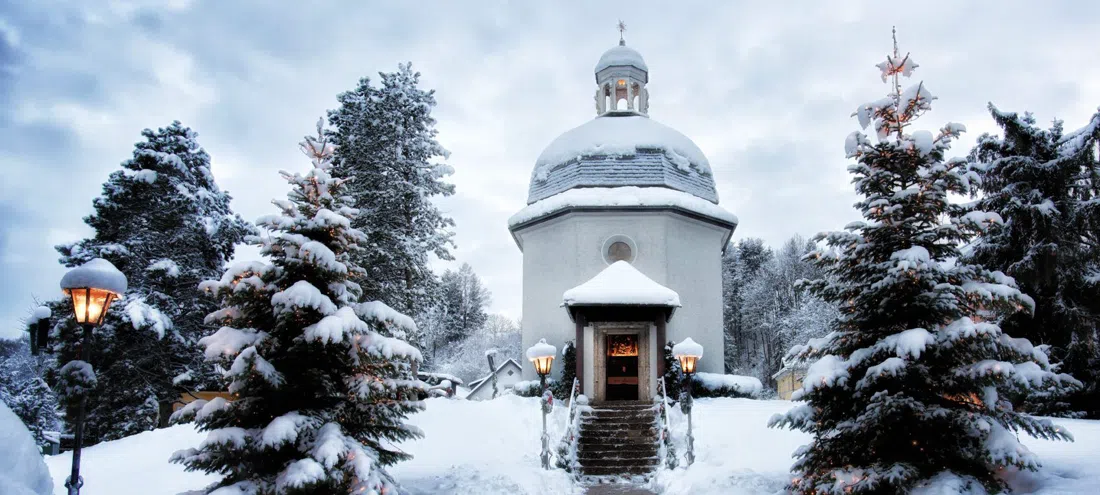
Across the water, Stille Nacht Museum Oberndorf (Oberndorf, by the old shippers' quarter) is the best surviving boatmen's village on the whole run. The museum handles the salt shipping alongside the carol, and the pairing fits: the church Mohr and Gruber were standing in was the shippers' church, built by and for the men who moved the cargo. Admission is around €4 to €6. Through October it opens Wednesday to Sunday, 10am to 6pm; groups should contact [email protected] or +43 6272 21660. It is small, quiet and best for couples, families with older children, or anyone who likes a story told in one room rather than twelve.
Further downstream, Burghausen Castle (on the ridge above the Salzach) is what the competition looked like. The longest castle complex in Europe is, in plain terms, the proceeds of taxing someone else's salt: the downstream rival that made Salzburg's monopoly a permanent argument rather than a settled fact. The grounds are free and open at all hours, and the ridge walk alone justifies the trip. The museum opens daily at €6 for adults, free for under-18s, and drops to 10am to 4pm from October onwards. Groups go through the cultural office on +49 8677 887-156.
The rivals that never went away
The archbishops did not hold the field alone, and the two places that fought them are the best-presented sites on the route. The Alte Saline Bad Reichenhall with its Salzmuseum (across the border, south-west) has the finest industrial interior in the entire salt story: vaulted, cathedral-like machine halls that make a pumping station feel like a basilica. Tours run hourly with a maximum of forty people, so a large group will be split; English, Italian and French tours need advance notice, and online booking is advised in any case. It is €15 for adults and €8 for children. Check the calendar: closed Mondays in winter, and closed entirely from 9 to 25 November.
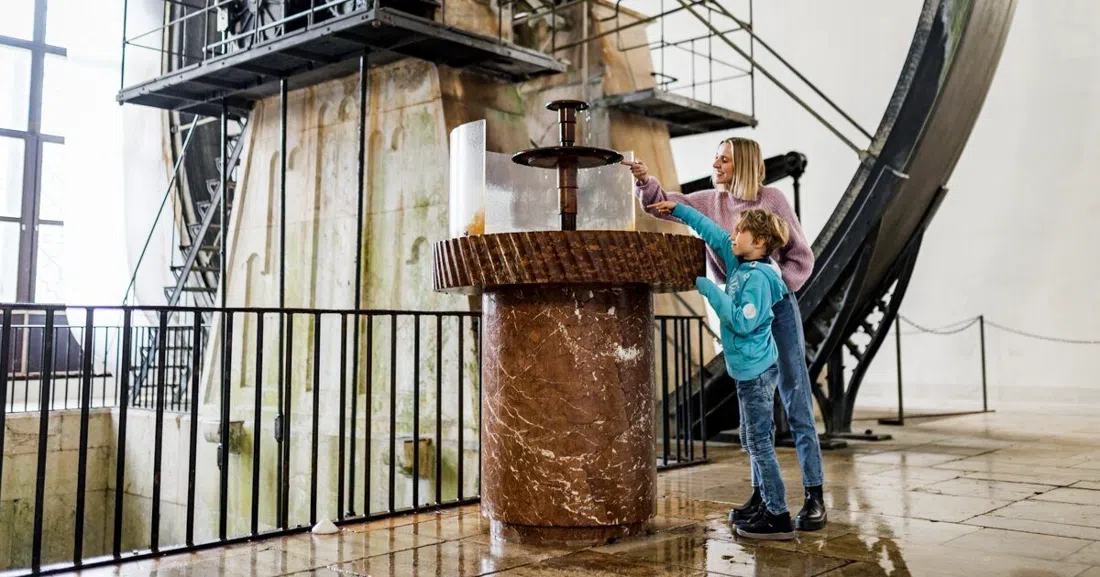
Nearby, Salzbergwerk Berchtesgaden (Berchtesgaden, in the valley) is the mine the prince-archbishops could never shut down, and the most family-proof stop of the set: train into the hillside, one-hour guided tour only, 1.5 to 2 hours all in. It is €26.50 for adults and €13.50 for children aged 4 to 16, with a dedicated group operation including exclusive slots. Closures to note: 1 January, Good Friday, Whit Monday, 1 November and 24, 25 and 31 December. A combined ticket with the Alte Saline is €33, which makes the pair a single sensible day rather than two half-wasted ones.

Dinner in the house that fed the trade
Finish inside the institution that fed and lodged everyone the business ran on. St. Peter Stiftskulinarium (Altstadt, within the abbey complex) has been trading since 803 and is plausibly the oldest restaurant in Europe, which matters here because the abbey is where merchants, officials and boatmasters ate and slept. Mains run roughly €28 to €45. It is a special-occasion room rather than a casual lunch stop, so go knowing that.
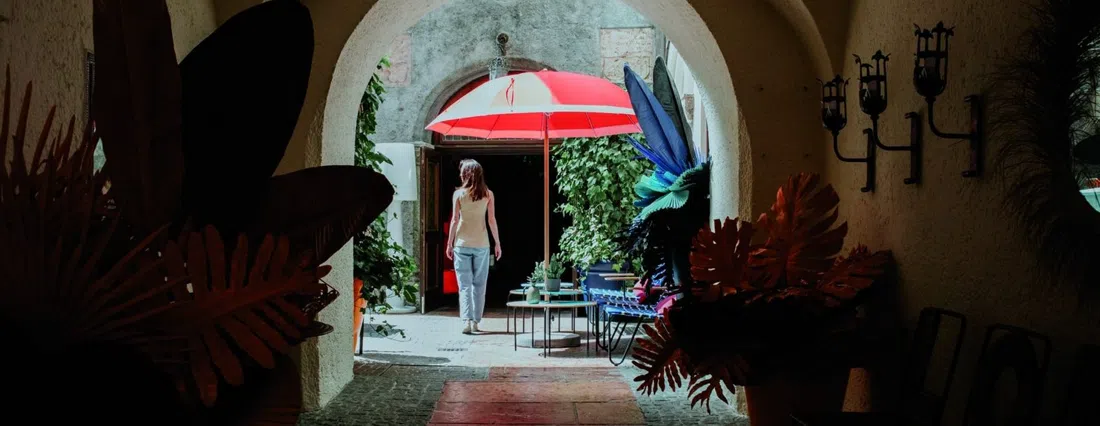
For groups it is hard to match anywhere in the city: twelve rooms, around 600 indoor seats, 106 outside and eleven function rooms, open daily 12:30pm to 11pm. Book well ahead. Couples should do the same and ask for one of the smaller vaulted rooms, because on a night with a large function in the building the atmosphere shifts considerably.
A three-day order that works
Day one, stay in the city: DomQuartier when it opens, the Orangerie panorama after lunch, the river cruise late afternoon when the light is on the cliffs, dinner at the abbey. Day two, go south: train to Hallein for the Keltenmuseum, the old town and the Perner-Insel from outside, then on to Golling for the gorge if the season allows. Day three, pick a direction. Downstream gives you Laufen, Oberndorf and Burghausen in one loop, the money end of the trade and the cheapest day of the three. Across the border gives you the saltworks and the mine on one combined ticket, which is the better choice with children or in bad weather, since both are indoors.
Base yourself in the Altstadt if you want to walk to the DomQuartier and the boat, or near the main station if you intend to do two or three rail days; the Salzburg hotel search covers both sides of the river, and the wider Salzburg guide is the place to pick up the rest of the city once the salt route is done.
Practical notes
Hallein is a regional train of about twenty minutes. Golling is a little under an hour by train, then a signposted walk or a short taxi to the gorge entrance. Oberndorf runs on the local line out of the Lokalbahnhof beside the main station, roughly twenty-five minutes, and Laufen is across the footbridge from it, so do both in one go rather than as two separate trips. Bad Reichenhall and Berchtesgaden are a cross-border bus from the station forecourt, around 50 to 60 minutes. Burghausen needs a connection or a car; with a car, it is the easiest of the lot.
Euros work on both sides of the border and nothing changes when you cross, but carry an ID card or passport for occasional checks. Bring €20 to €30 in notes: the DomQuartier, the Orangerie and the mines take cards without fuss, while the small museums, the Laufen treasury and the gorge kiosk are far happier with cash.
On timing, the DomQuartier closes Tuesdays. The Alte Saline closes Mondays in winter and 9 to 25 November. The cruise stops on 1 November and the gorge closes for winter, so a December visit is a museums-and-mine trip rather than a river one. The Laufen treasury is that one Sunday hour a month. Mirabell's side-gate entry to the Orangerie holds until late November 2026.
For budget, the Salzburg-side chain (DomQuartier, Orangerie, Keltenmuseum, cruise, gorge, Burghausen museum) comes to roughly €70 a head in admissions, plus about €33 if you add the cross-border combination. Groups of ten or more should always ask: the DomQuartier alone drops to €12 per person. Food is the variable. The abbey dinner is a deliberate splurge; everything else on this route is a bakery and a bench by the water, which is more or less what the boatmen had.
Questions
Where should I start if I only have one day for Salzburg's salt story?
Do the DomQuartier first, for the monopoly that paid for the city, then the Orangerie panorama for the working river, then the Salzach cruise in the late afternoon. Six hours or so including the walking, about €48 in admissions, and you never leave the centre. The DomQuartier is closed on Tuesdays.
Can I actually go inside the old saltworks on Hallein's Perner-Insel?
Only with an event ticket. There is no museum and no daily opening: the hall is a performance venue, and it staged Salzburg Festival drama in 2026. From outside it costs nothing and is worth the walk, so pair it with the Keltenmuseum and Hallein's old town.
Which salt site is best with children?
Salzbergwerk Berchtesgaden. It is a one-hour guided tour only, 1.5 to 2 hours all in, with a train ride into the hillside, at €26.50 for adults and €13.50 for children aged 4 to 16. Skip the Salzachklamm gorge with small children: the walkways are wet and exposed, and no place for a buggy.
Is the Salzach cruise worth it or is it just a sightseeing boat?
Go for the hull. It is shallow and flat-bottomed, built for a wide, fast, shallow river, which is why salt travelled in Plätten. At €22 to €30 you get forty minutes of history on the water. It runs only from around late March to 1 November.
Do I need to book ahead or can I turn up?
The city museums take walk-ups. Book ahead for the Alte Saline Bad Reichenhall (hourly tours capped at forty people, and English, Italian or French tours need advance notice), for St. Peter Stiftskulinarium, and for any group of ten or more. Group rates and slots are arranged by email or phone, not at the door.
First published on salzburgcitybreaks.com, the Salzburg guide.