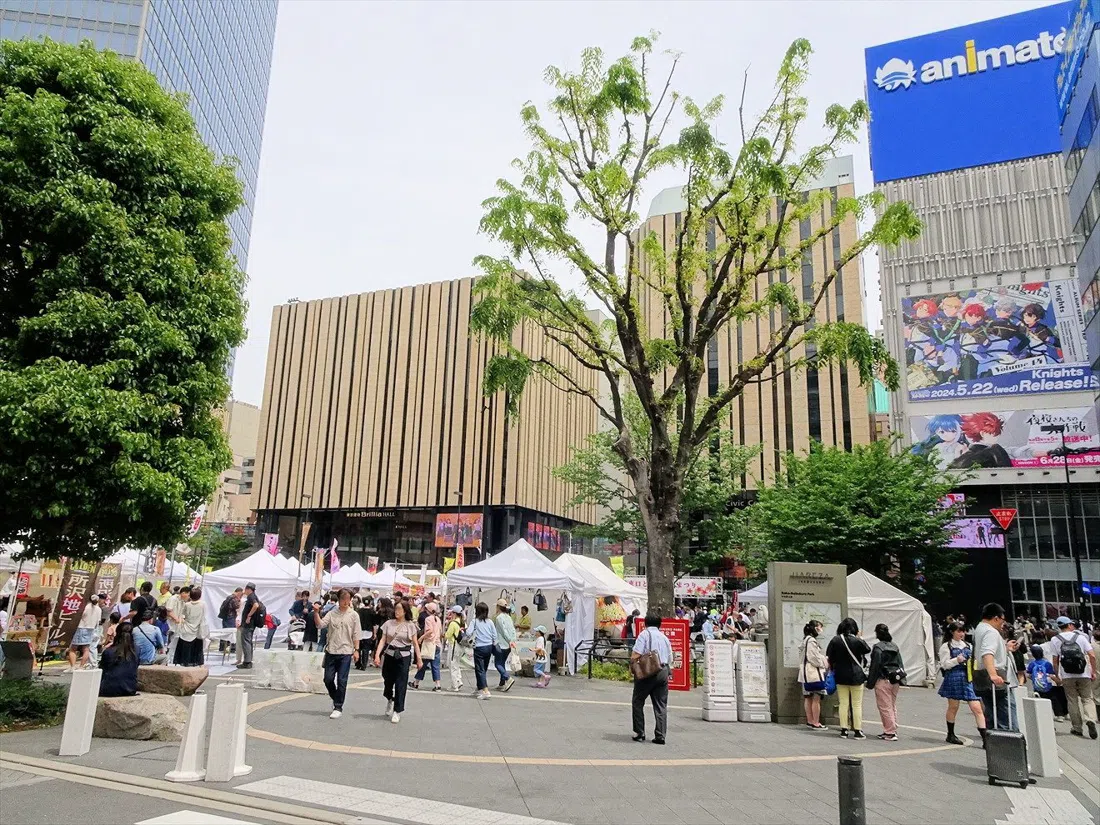
Green Odori runs east out of Ikebukuro Station under four rows of zelkova, and for eleven months of the year it is a shortcut for office workers crossing to Sunshine 60 Dori with a convenience-store coffee. For five days at the end of October the traffic lanes come off it, trestle tables go down the middle, and a cosplay festival plugs itself into the same pavement about a hundred metres away. Ikebukuro does not usually make a first-time Tokyo itinerary; this is the stretch of the calendar where it earns one.
The five days, in order
Three separate events overlap here, run by three different organisations, which means nothing is centrally announced and no single map covers all of it. Pin the dates before you book anything.
- Friday 30 October: street market 11:00-20:00; cosplay session 16:30-22:30, over-18s only.
- Saturday 31 October: market 11:00-20:00; cosplay 10:00-18:00. Halloween itself, and the busiest day by a wide margin.
- Sunday 1 November: market 11:00-16:00 (note the early close); cosplay 10:00-18:00; the Toshima street-arts programme opens.
- Monday 2 and Tuesday 3 November: street-arts programme only, spread across outdoor plazas and indoor rooms. The 3rd is a public holiday, so the district is out in force rather than at work.
If you only have one day, take Saturday for atmosphere and Friday for room to move. Sunday afternoon is the compromise: the market is winding down but the stages are starting.
The market on the boulevard
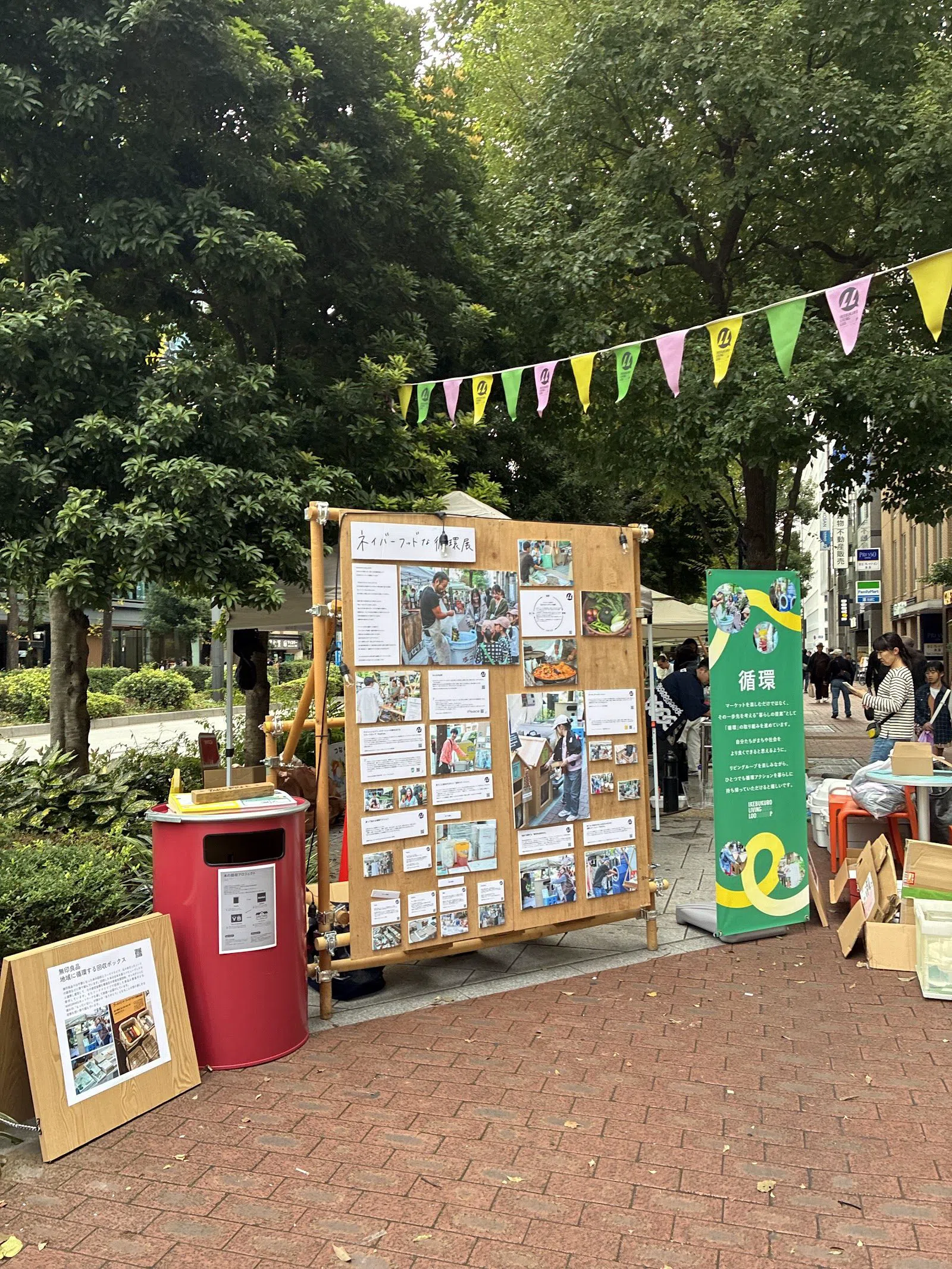
The anchor is the Ikebukuro Living Loop Special Market (Green Odori, two minutes from the station's east exit), officially badged with its start date, 10.30 FRI. This is its ninth edition, run by the Green Odori Area Management Council with Toshima Ward, with operations handled by nest, Grip Second, Ryohin Keikaku and Sunshine City (Higashi-Ikebukuro, eight minutes further east). That tells you what it is: a landlord-backed attempt to make people stop on a road they normally walk straight down, rather than a tourist event.
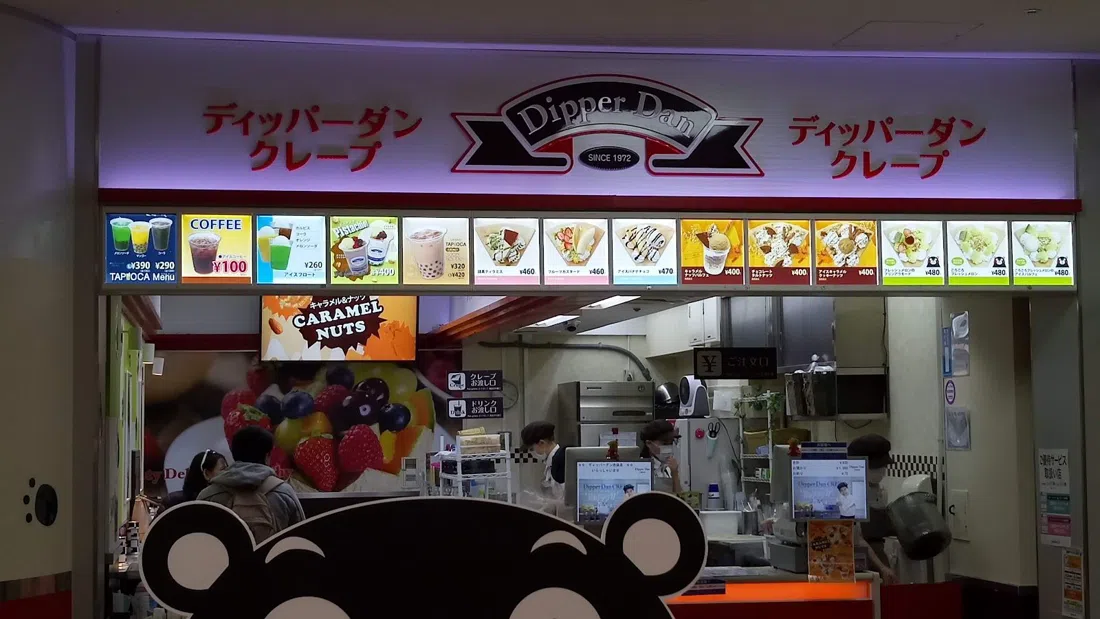
It works because the stallholders are small. Expect roasters, bakers, ceramicists, leather workers and prepared-food stands rather than festival yakisoba at scale. Budget ¥300 to ¥3,000 a purchase; entry costs nothing and there is no ticket, no wristband and no booking. Cash is safest at the smaller tables, though most now carry a code reader.
The practical constraint is stall size. A stand staffed by two people cannot take six orders at once without holding up the twenty people behind you, so a group should split, buy separately and regroup on the central strip. There are benches along Green Odori but not enough of them on a Saturday afternoon; the standing tables near the stalls turn over faster than they look.
Halloween on the same pavement
The Ikebukuro Halloween Cosplay Festival (east side, around Sunshine 60 Dori and the streets off it), Ike-Halo to everyone local, runs alongside the market and is the reason the district fills up. In 2026 it lands on Halloween itself for the first time in five years, which changes the volume considerably. It is run by its own executive committee with dwango and niconico.
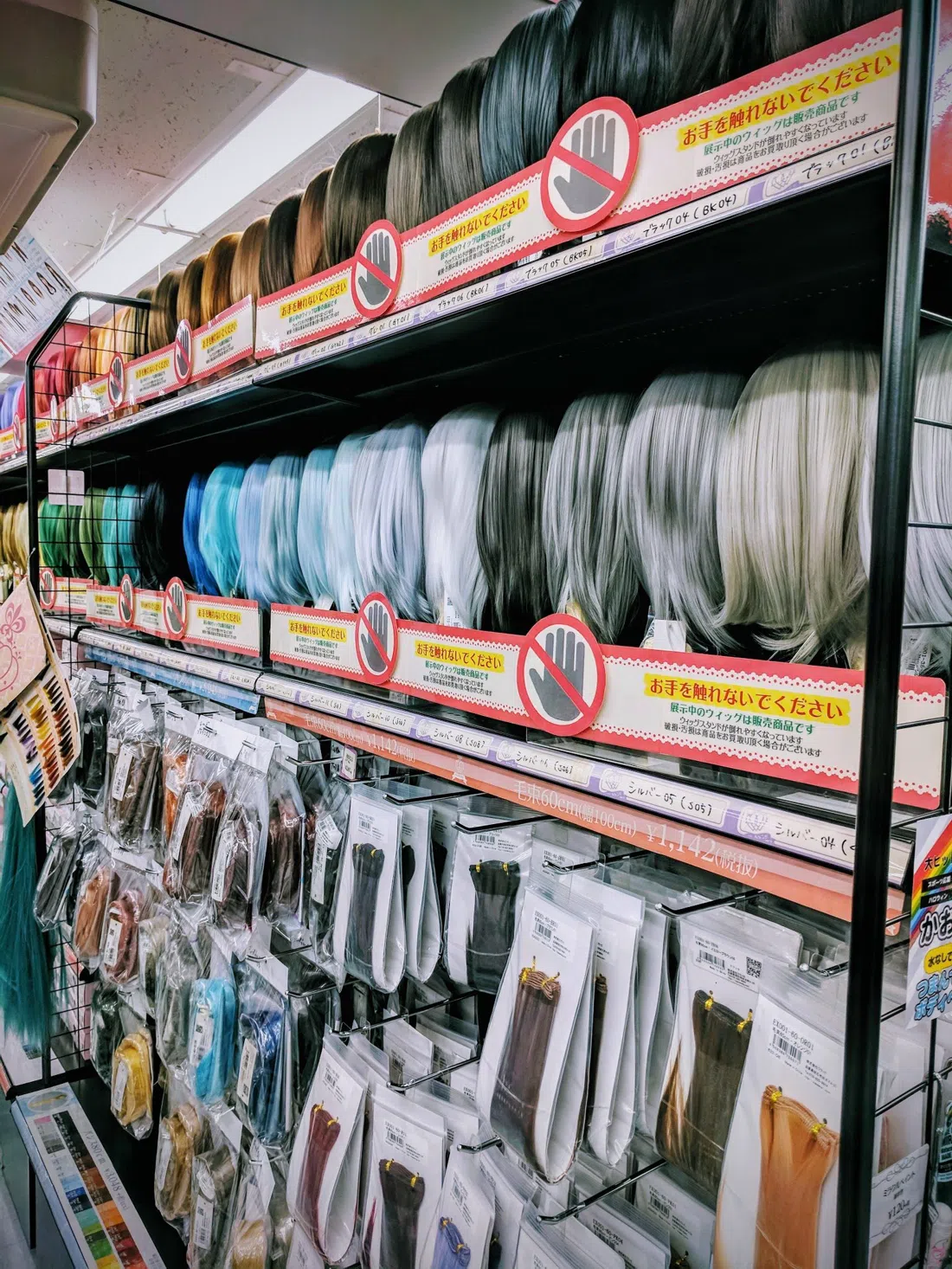
Watching is free and unticketed. Nobody checks anything at the edge of the street, so bring whatever size group you like. Taking part is a different matter: cosplayers register in advance and pay, and the Friday evening session, 16:30 to 22:30, is restricted to over-18s. If you are travelling with teenagers, Friday night is out and Saturday or Sunday daytime, 10:00 to 18:00, is the session you want.
Visitors get the etiquette wrong, so state it plainly: cosplayers here are participants in a registered event, not street performers. Ask before you photograph, accept a no without negotiating, and do not shoot from behind or at a distance to avoid asking. Nobody will confront you; you will simply be marked as the tourist doing the rude thing.
Three squares to stand in, and one to sit down in
The street events have no seating worth the name, so the parks do the heavy lifting.
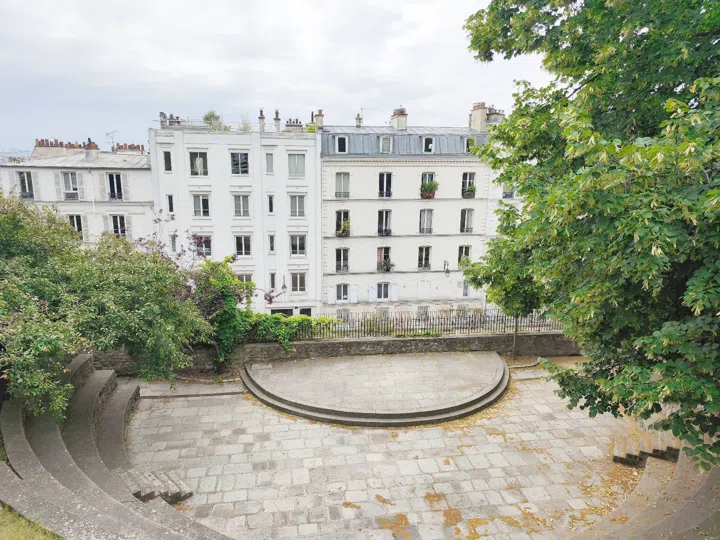
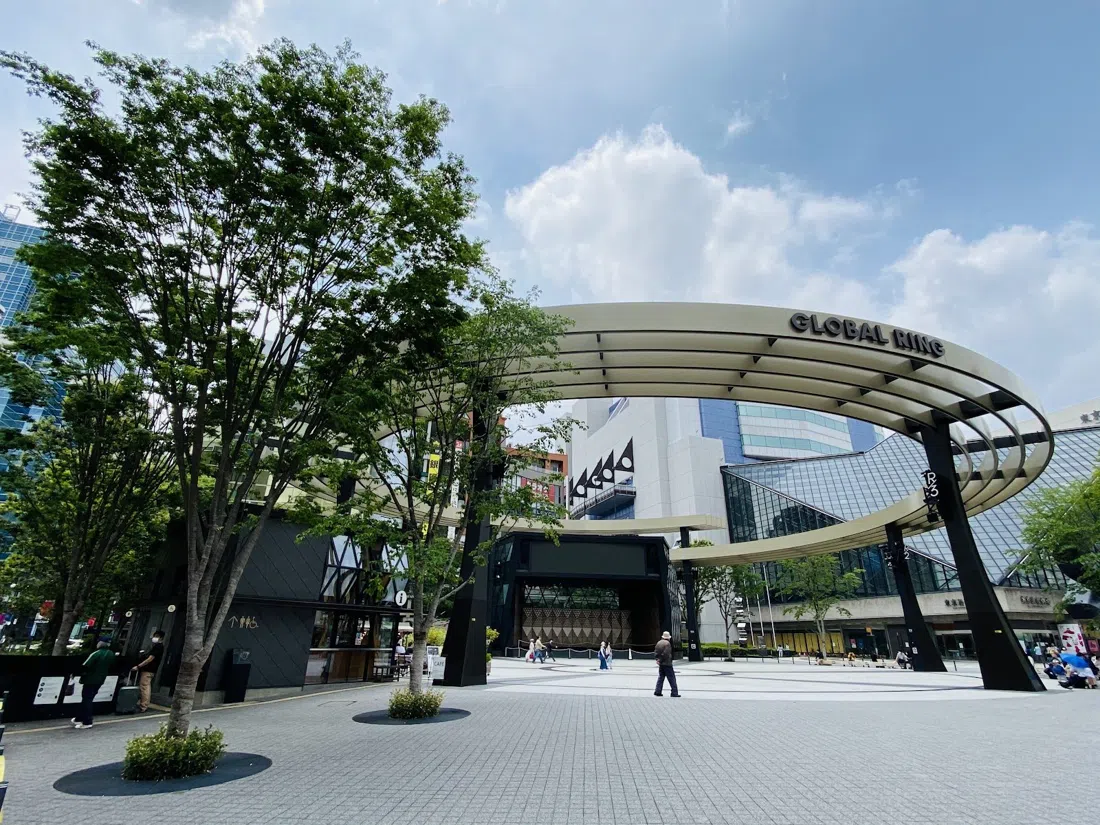
Ikebukuro Nishiguchi Park Global Ring Theatre (west exit, one minute) is the permanent outdoor stage the street-arts programme builds its bill around: a curved plaza with a proper canopy and a hard surface, free to stand in. Ticketed shows there have seat limits, but most open-air programming does not. It keeps running after the festival weekend, with an a cappella event on 14 November and a student brass-band concert on 15 November, both free to stand for, if your dates land later than the market.
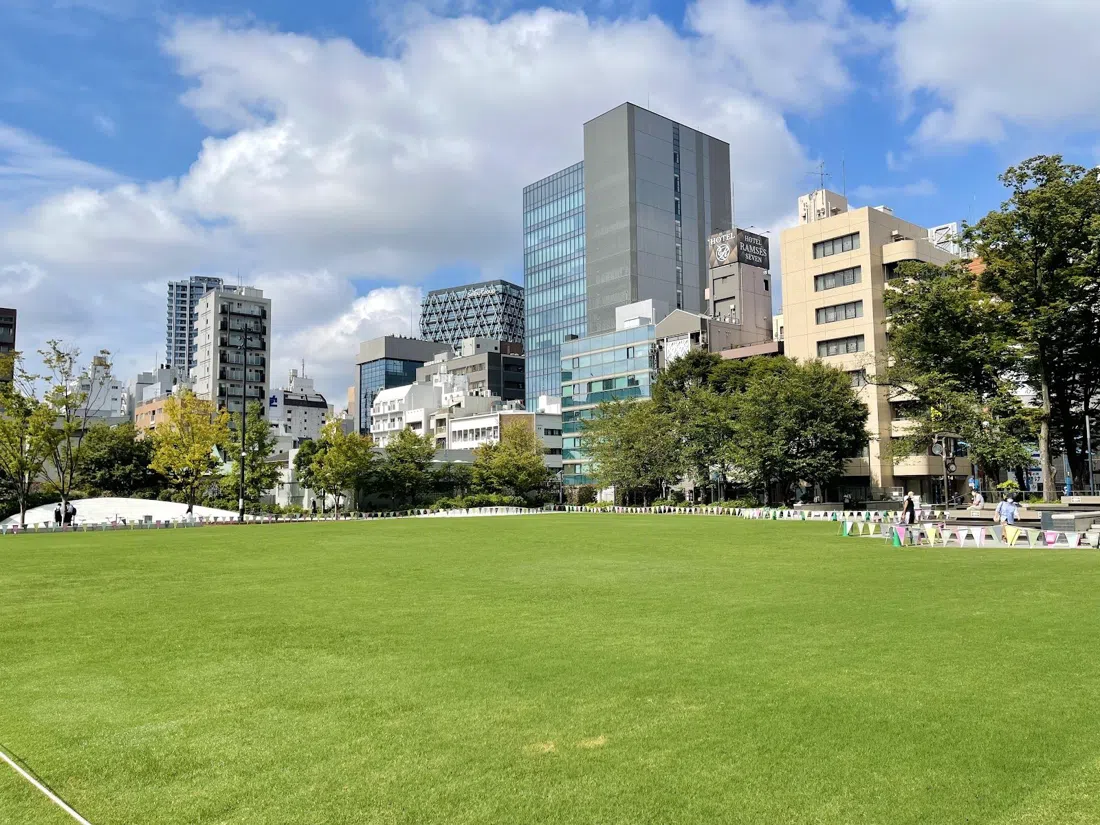
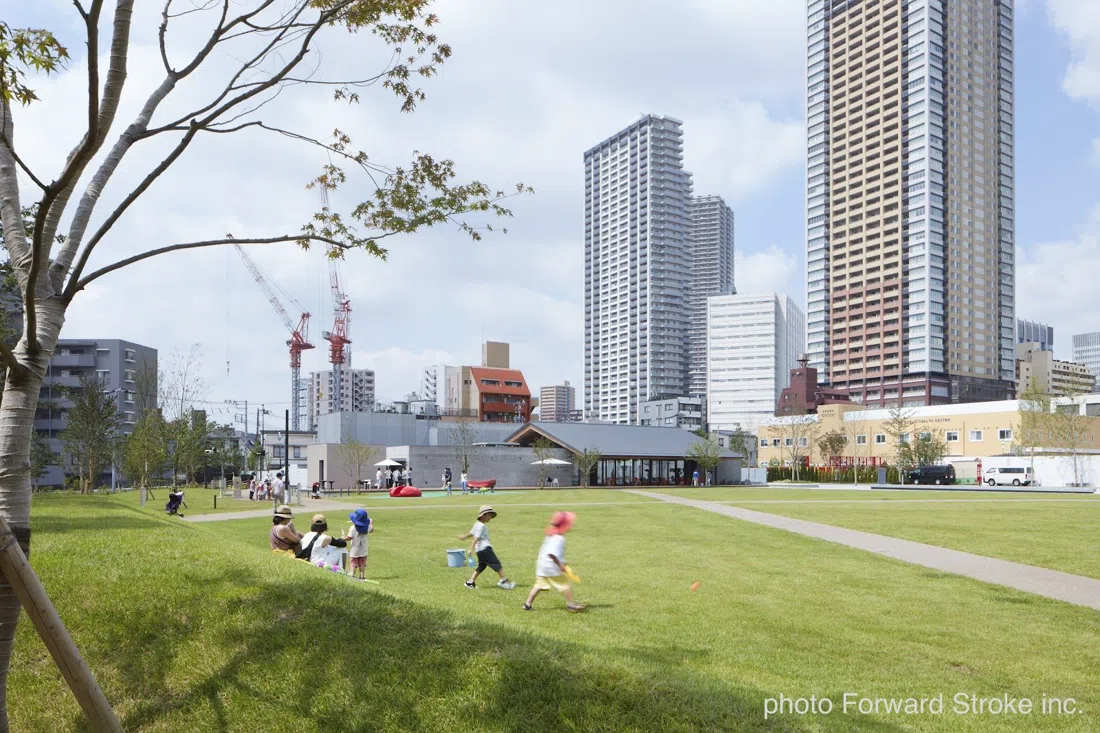
Minami-Ikebukuro Park (Minami-Ikebukuro, five minutes south-east of the east exit) is the decompression chamber and a sub-venue of the market itself. The lawn is free, unreserved and the single easiest place in the ward to park a group of eight with coffees. The grass is maintained by alternating summer Tifton with winter ryegrass, and from mid-September the park drops to partial opening, so expect roped-off sections and plan for less lawn than the photographs suggest. Racines Farm to Park, the café on the corner of the lawn, takes bookings and you should use one for six or more; mains run roughly ¥1,200 to ¥2,500.
Naka-Ikebukuro Park (four minutes from the east exit) does double duty across the run: a cosplay-festival hub from 30 October to 1 November, then a food site for the street-arts programme from the 1st to the 3rd. It is also a recognised pilgrimage stop for My Dress-Up Darling, which is why there are cameras in it on a wet Tuesday in February. As a rendezvous point it is better than the station: small, square, impossible to miss, café items ¥500 to ¥1,500.
The festivals that already happened
Travellers routinely conflate all of Ikebukuro's autumn events into one weekend, and they are not one weekend. Fukuro Matsuri and the Tokyo Yosakoi festival (west exit and the streets around Tobu) is the ward's own autumn festival, now in its 59th edition, and it runs earlier: the mikoshi weekend on 26-27 September, with sixteen shrines, more than three thousand carriers and the grand evening parade from 17:30, then the 27th Tokyo Yosakoi dance festival on 10-11 October with 107 teams. Both are free, both are street events with no booking, and both are finished well before 30 October.
If your dates do cover them, the evening mikoshi parade is genuinely packed. Agree a meeting point before you go in, because you will not find each other by phone in that crowd, and Tobu's frontage sits right on the route.
The same applies to IKE・SUNPARK (Higashi-Ikebukuro, about ten minutes east of the station, or a short walk from Higashi-Ikebukuro on the Yurakucho line), officially Toshima Green Disaster Prevention Park, opened in 2020. Its flea market draws around a hundred sellers, entry is free, secondhand goods start at ¥100 and stallholders pay ¥2,500 a booth. The autumn dates are 23 September and 18 October, 9:00 to 15:00, and it is cancelled outright in rain. It is a lead-up stop, not part of the 30 October weekend, but it is the most group-friendly open ground in the ward if your trip falls earlier.
The rain plan, which is also the shopping
Everything above is outdoors and none of it is weatherproofed. The fallback is four minutes away and enormous.
Sunshine City (Higashi-Ikebukuro, about eight minutes from the east exit along Sunshine 60 Dori) puts the alpa and ALTA malls, an aquarium, a planetarium and the Tenbou Park observatory under one roof. Entry to the complex is free; the observatory runs ¥700 to ¥900 for adults and up to ¥1,200 at peak times, and since its 2023 renewal it is an indoor rooftop garden rather than a glass-and-carpet viewing deck. Group tickets exist for the observatory and aquarium. Book online for a weekend, because the on-site queue on a wet Saturday is the worst in the district.
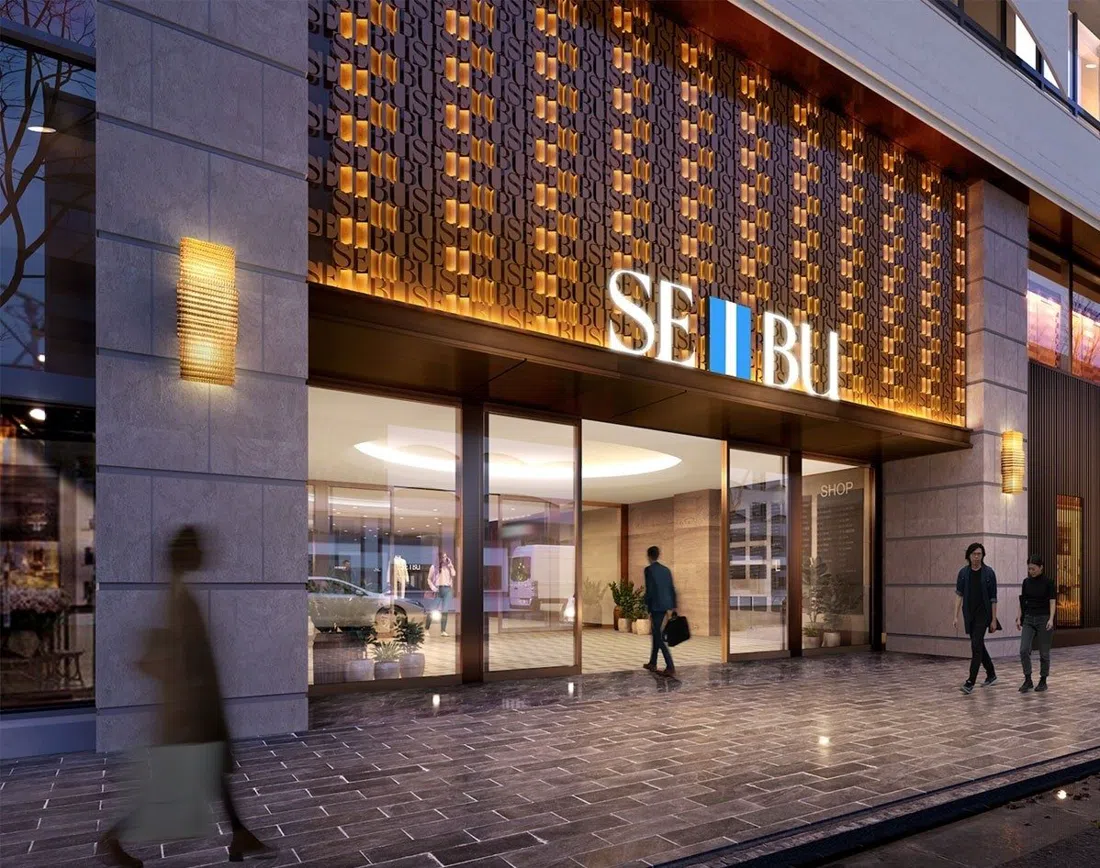
Seibu Ikebukuro Main Store (directly over the east exit) is mid-transformation and you should know that before you go. It is trading through a staged renovation that has narrowed it to cosmetics, luxury brands and food, with the grand renewal completing during 2026, so floors seven and eight may still be closed. The depachika food hall is the reason to go anyway: ¥500 to ¥3,000 buys serious things to eat, and at 18:00 it is shoulder-to-shoulder. Go before 16:00 with a group.
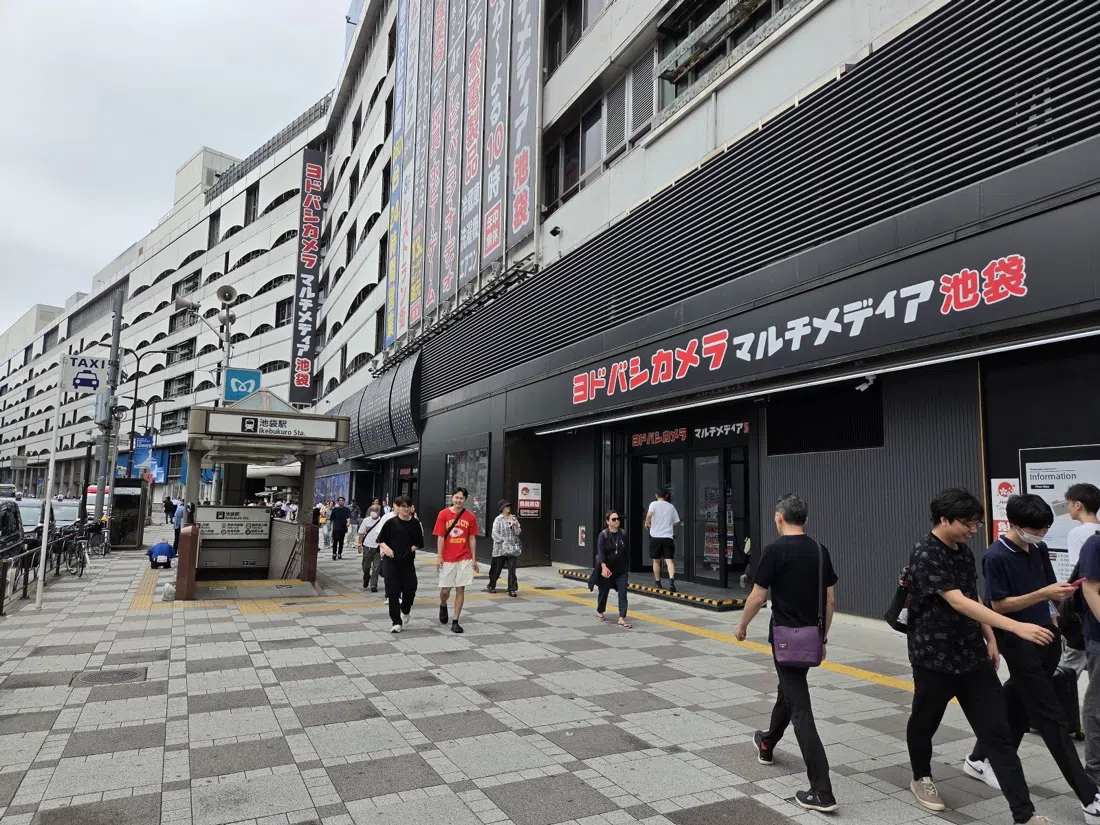
In the same building sits Yodobashi Camera Multimedia Ikebukuro (east exit), which opened on 30 June 2026 at around 33,000㎡. It is the largest of its kind in the Kanto region, open 9:30 to 22:00 daily, and new enough that most guidebooks do not have it. Tax-free applies over ¥5,000 and the counters handle groups, but they queue badly on weekend afternoons. Shop in the morning, not after the market closes.
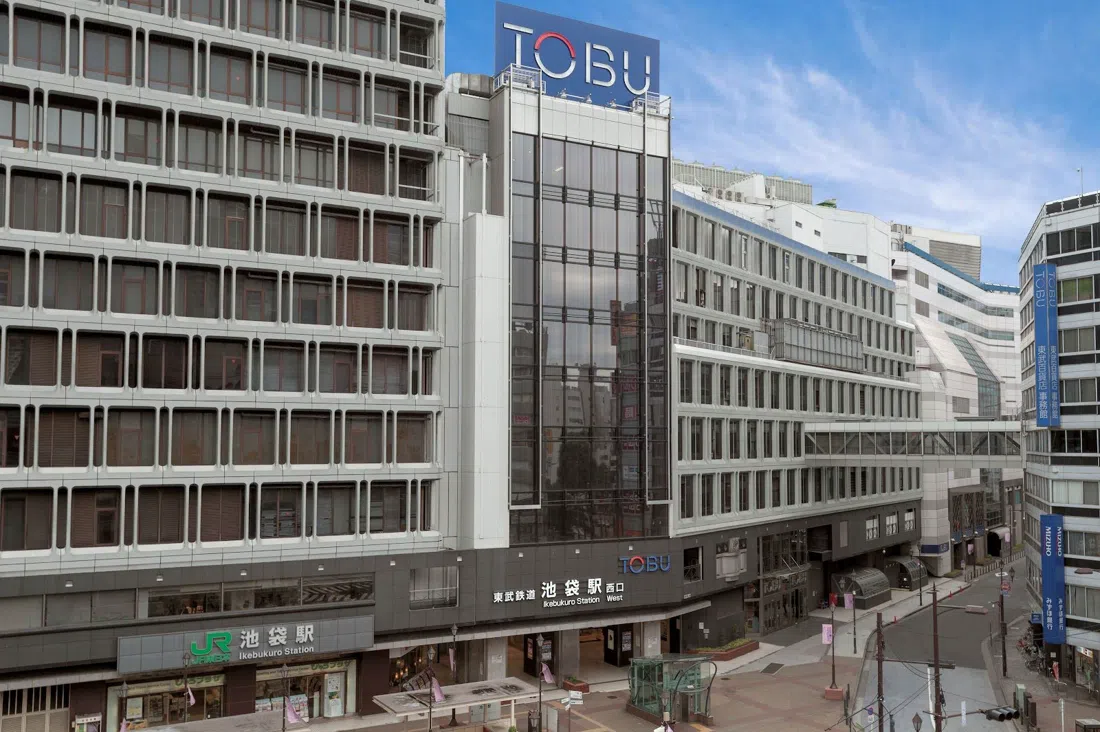
Tobu Department Store Ikebukuro (west exit) is the other giant: one of the largest department stores in Japan by floor area, trading normally, sitting on the parade route. Its restaurant floor takes group bookings at ¥1,500 to ¥4,000 a head, which is the difference between eating and standing in the food hall holding a box.
Ikebukuro PARCO and P'PARCO (east exit) run B2 to 8F plus the roof, 10:00 to 21:00, with the Tabebukuro restaurants open to 23:00 and taking reservations, which is the right call for six or more on a festival night. The annex holds Tower Records and Ishibashi Music. It is midway through a 2025-26 renewal, so check the floor guide on arrival rather than trusting last year's.
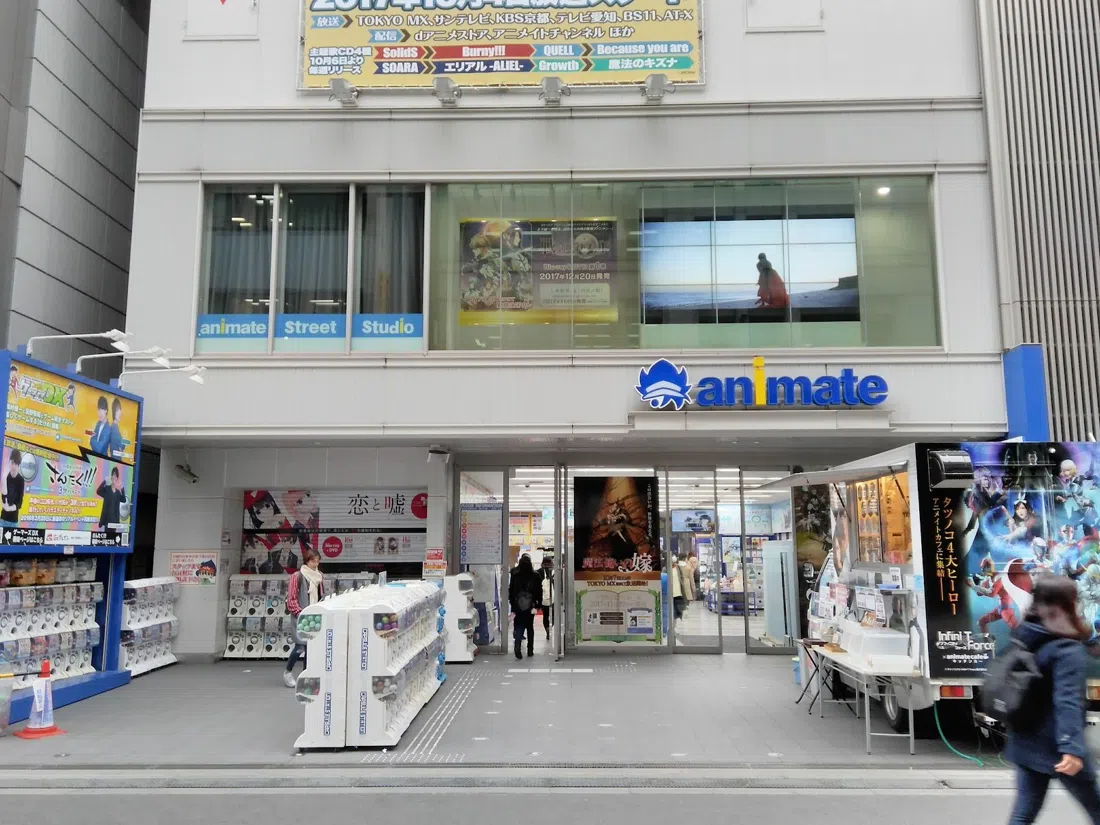
Finally, Animate Ikebukuro Main Store (Otome Road, Higashi-Ikebukuro, about five minutes from the east exit) was rebuilt at roughly double its old size for the chain's 40th anniversary in March 2023. Shop floors run B2 to 9F, 10:00 to 21:00, goods from ¥500 up. The lifts and upper floors are tight, so split a group by floor and meet outside. The 208-seat Animate Theatre in the basement is ticketed separately and doubles as a venue during the street-arts days.
After the stages shut
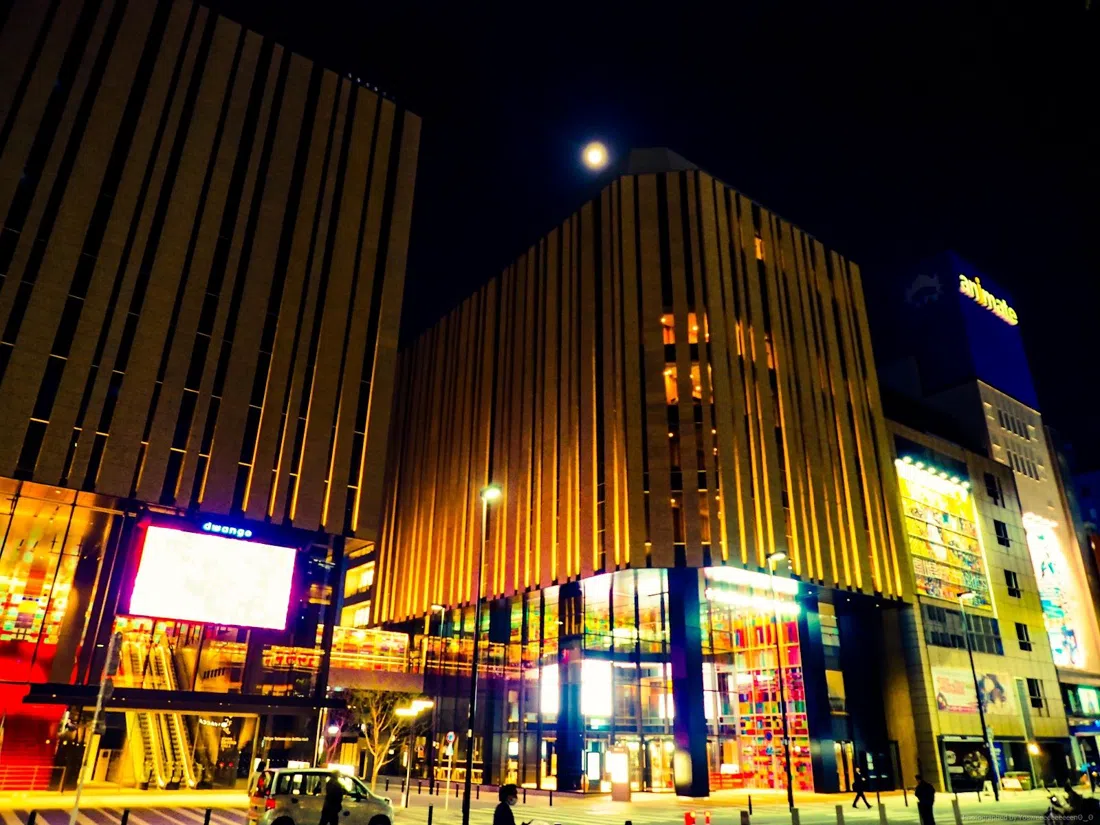
Hareza Ikebukuro (Higashi-Ikebukuro, six minutes from the east exit along Gekijo Dori) is the evening half of the weekend: the 1,250-seat Tokyo Tatemono Brillia Hall, the tech-led harevutai live theatre and a ten-screen TOHO Cinemas, all built on the old ward office site and opened in July 2020. Cinema tickets start around ¥2,000; theatre prices vary enormously by production. Book ahead for groups, though the cinema absorbs a block of seats without difficulty.
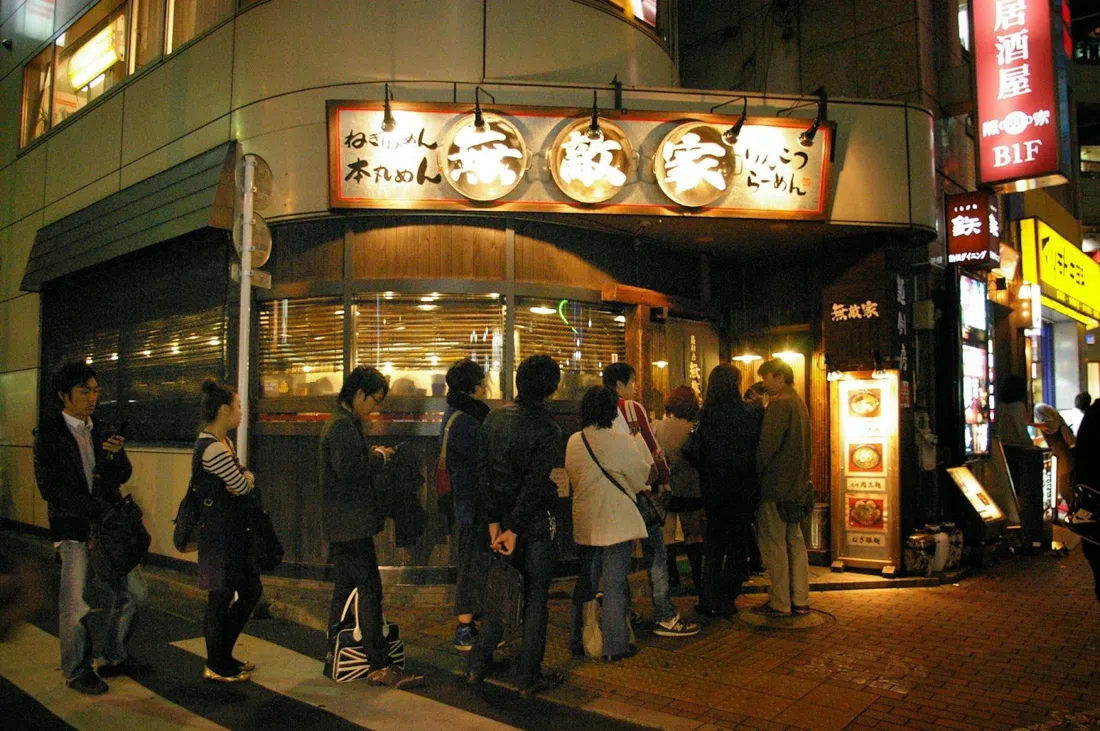
When everything closes, the answer is Menso-bo Mutekiya (Minami-Ikebukuro, a few minutes south of the east exit), open 10:30 to 04:00 every day and trading since 1994. A bowl is ¥1,100 to ¥1,800. The constraint is the queue, not the price: go at midnight rather than at lunch, and understand that the counter seats a group only by breaking it up. Four people will not sit together. Accept that and the wait halves.
Trains, cash and where to sleep
Ikebukuro Station is the north-west corner of the Yamanote loop and one of the busiest stations on earth. The Marunouchi line puts you at Tokyo Station in about 16 minutes; the Yamanote, Saikyo and Shonan-Shinjuku lines, plus the Fukutoshin, Yurakucho, Seibu Ikebukuro and Tobu Tojo lines, all converge here. Learn two exits and ignore the rest: the east exit for the market, the parks, Sunshine City and the anime shops, the west exit for the Global Ring and Tobu. The department store naming is backwards to everyone on their first visit, because Seibu is on the east side and Tobu on the west.
Staying in the ward is the sane move for a five-day event; the last trains out are not the problem, the crush on the platforms at 22:00 is. Business hotels within ten minutes of either exit are the value play, and rates firm up noticeably for the Halloween weekend, so check what is open on the Tokyo hotel search six to eight weeks out rather than in October.
Carry cash. IC cards and codes work in the department stores and most chains, but the small stalls on Green Odori and the flea-market sellers are cash-first, and the convenience-store ATMs near both exits take foreign cards reliably. A realistic day costs ¥3,000 to ¥5,000 for market food and coffee, ¥900 if you add the observatory, and ¥2,000 or so for a cinema seat. The events themselves are free, which is the point.
Timing, plainly: mornings before 11:00 for shopping, the boulevard from 13:00, the cosplay streets from 15:00, and ramen after midnight. For what else is worth your days in the city, the wider Tokyo guide covers the districts this weekend does not.
Questions
What are the exact 2026 dates and times?
The Ikebukuro Living Loop Special Market runs Friday 30 October 11:00 to 20:00, Saturday 31 October 11:00 to 20:00 and Sunday 1 November 11:00 to 16:00. The Halloween Cosplay Festival runs Friday 30 October 16:30 to 22:30 (over-18s only), then Saturday 31 October and Sunday 1 November 10:00 to 18:00. The Toshima street-arts programme continues 1 to 3 November, with 3 November a public holiday.
Do I need a ticket or a booking?
No. The market and the cosplay festival are both free, open-street events with no ticket and no reservation, so you just walk the boulevard. Only cosplayers taking part register in advance and pay a fee. Paid extras are separate: the Sunshine City observatory (¥700 to ¥900, up to ¥1,200 at peak) and anything ticketed at Hareza Ikebukuro.
Is the Fukuro Matsuri part of the same weekend?
No, and it catches people out. Fukuro Matsuri's mikoshi weekend falls on 26 and 27 September 2026, with the grand evening parade from 17:30, and the Tokyo Yosakoi dance festival on 10 and 11 October with 107 teams. The IKE・SUNPARK flea market's autumn dates are 23 September and 18 October. All of them finish before the 30 October weekend.
What happens if it rains?
The street events lose most of their appeal and the IKE・SUNPARK flea market is cancelled outright. The fallback is four to eight minutes away: Sunshine City has the alpa and ALTA malls, the aquarium, the planetarium and the indoor rooftop observatory under one roof, and Seibu, Tobu, PARCO, Yodobashi and Animate are all within a short covered-ish walk of the station exits.
Does this weekend work for a group?
Yes, with adjustments. The streets and parks have no door policy at all, so any group size is fine to watch. Market stalls are small, so split up to order. Mutekiya's ramen counter will only seat you if you split the group. Book ahead for Racines Farm to Park (six or more), Tobu's restaurant floor, PARCO's Tabebukuro restaurants and any Sunshine City observatory or aquarium entry on a weekend.
First published on tokyohoilday.com, the Tokyo guide.