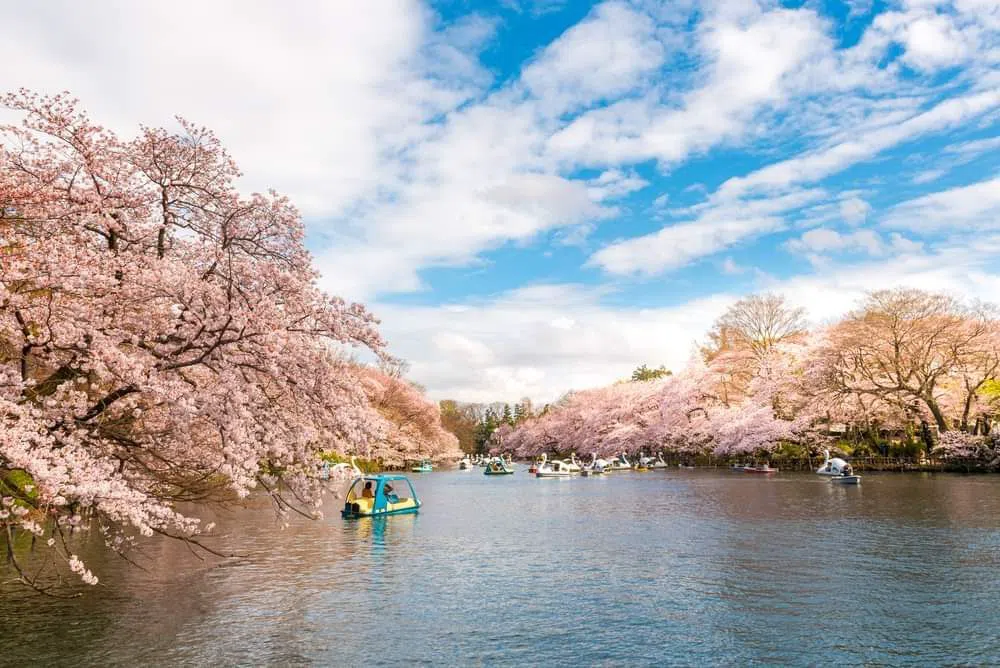
The Chuo line covers Shinjuku to Kichijoji in about fifteen minutes and the Keio Inokashira line runs up from Shibuya in about twenty. This is a short hop west, not a day trip. From the Park Exit turnstiles it is roughly five minutes downhill to open water, where rowing boats cross a pond with a small zoo on the wooded bank above it. Almost everything worth your time here sits inside a ten-minute radius of that gate.
Two exits and what sits behind each
JR and Keio share one station, and the exit you choose sets the shape of the day. The Park Exit on the south side drops you onto the slope running down to the water: a few hundred metres, restaurants on the way, park gate at the bottom. The north side opens onto Sun Road, a covered arcade, and behind it a block of low alleys that were never redeveloped after the war. The two halves are four or five minutes apart on foot, so neither is a commitment, but they behave differently. South is daytime and family-paced. North is where the drinking happens, and it starts earlier than you think.
If you are slotting this into a wider itinerary, the rest of the Tokyo guide covers how Kichijoji sits against the central districts. The short version: it works as a half day, and it works better as a full one if you intend to stay for a set of live music.
The pond, the boats and the path west
Inokashira Onshi Park (Kichijoji, straight down from the Park Exit) is why the neighbourhood works the way it does. It is free, open, and unfenced, and it runs roughly a kilometre and a half west through the trees, so you can enter at the Kichijoji end and come out near Mitaka without retracing a step. The pond sits at the eastern end, which is also the crowded end at weekends.
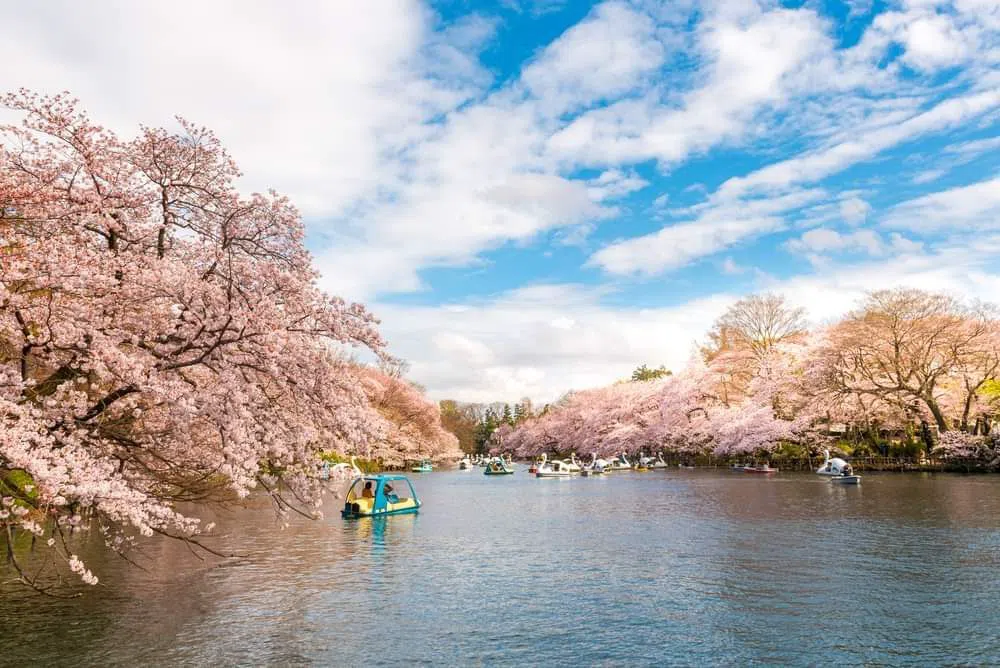
The boathouse rents by the boat, not by the head: ¥500 for thirty minutes in a rowing boat, ¥700 for a pedal boat, ¥800 for a swan. A swan takes two adults and two children, so a group of six splits across two or three boats rather than booking one. Worth knowing before someone counts heads and assumes otherwise. Boats run roughly 10:00 to 17:00 and the operation is seasonal; the boathouse closes on Wednesdays from December through February. Late March and early April put blossom over the water and the queue for boats becomes the main event of the afternoon. Any other week, you will be on the pond within fifteen minutes.
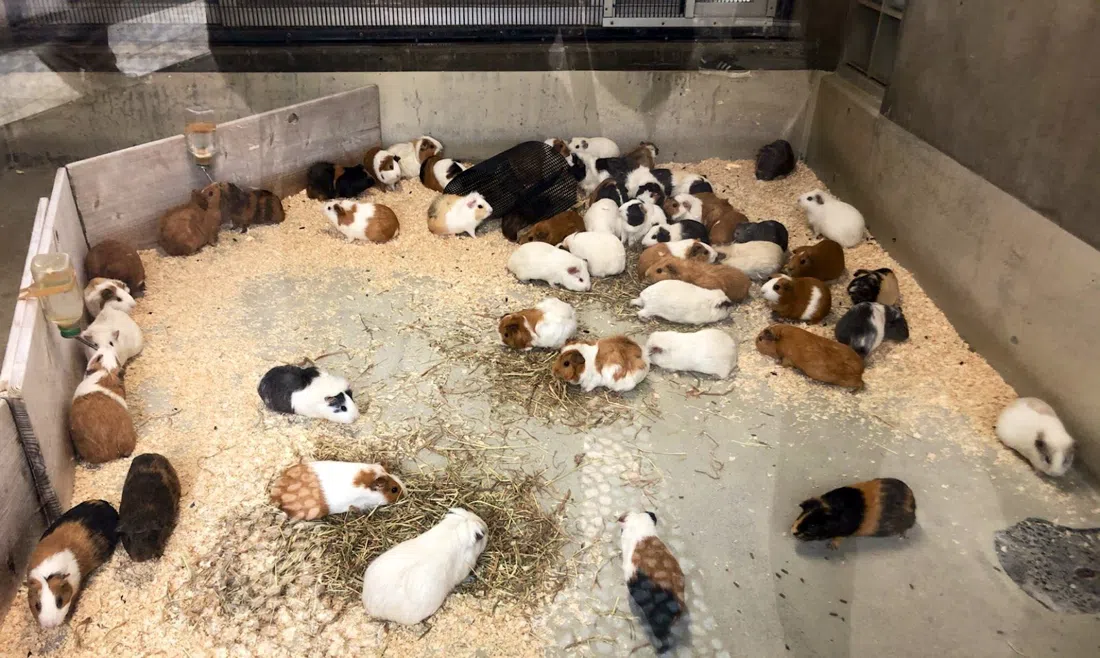
Inokashira Park Zoo, signed as the Inokashira Natural Culture Park, sits on the park's western side, a few minutes' walk from the pond. It is ¥400 for adults, ¥200 for over-65s, and free for primary-school age and under. No booking, no timed entry, just pay at the gate. It opens 9:30 to 17:00 with last entry at 16:00, closes Mondays (Tuesday when Monday is a public holiday) and 29 December to 1 January. Paths are wide and mostly flat, which makes it the easy fallback when the pond side is packed and someone in the group cannot face another crowd for half an hour.
Booking the museum before you book anything else
Ghibli Museum, Mitaka sits at the far, western end of Inokashira Park, about a twenty-minute walk from Kichijoji station through the trees. Because it is inside the park, it costs you a walk rather than a separate journey, which is the reason to do the two together.
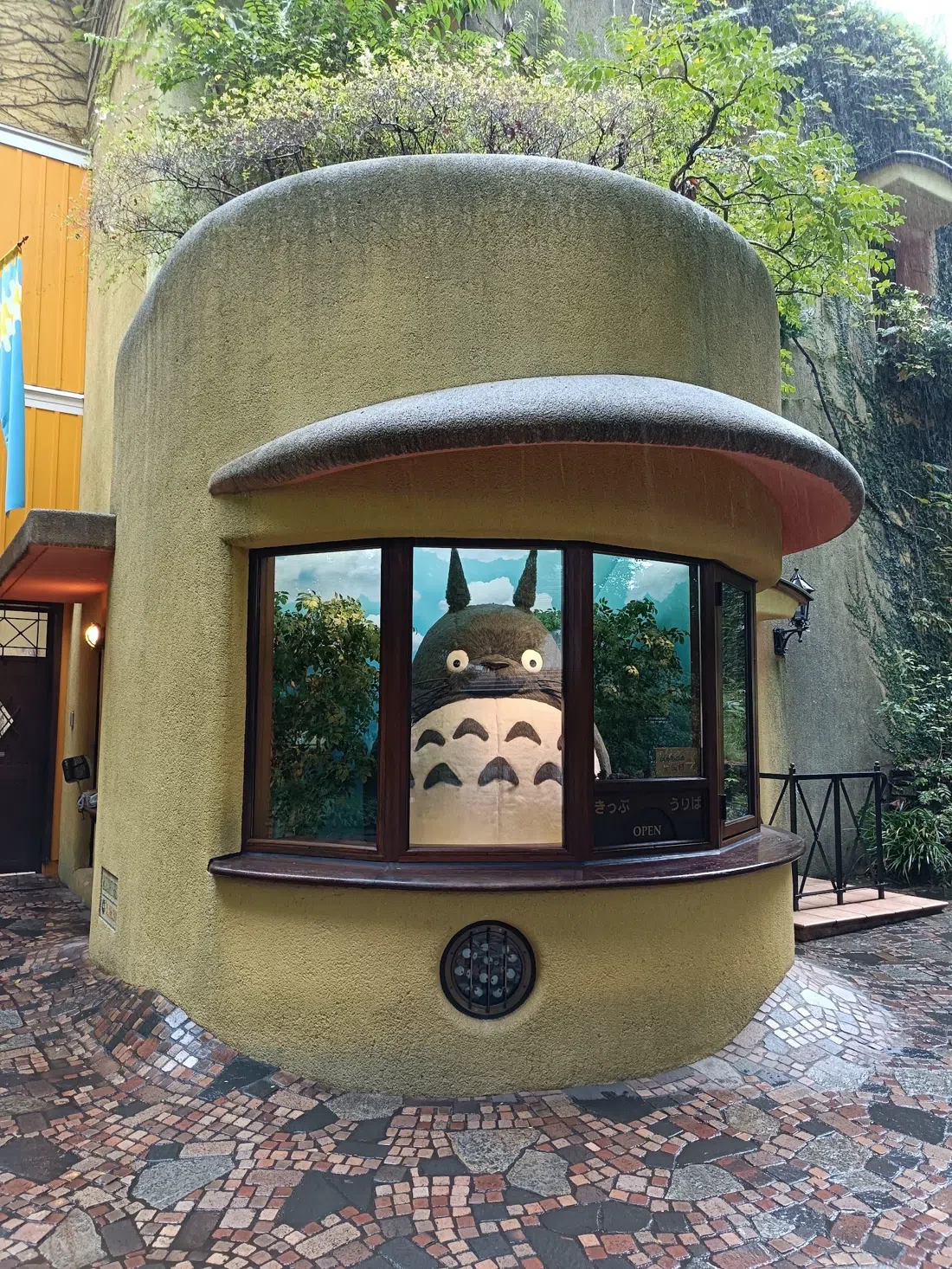
The ticketing is strict and catches people out. Entry is timed, tickets are named, and there are no walk-ups and no sales at the door. Adult admission is ¥1,000, reservation only. Tickets go on sale at 10:00 JST on the 10th of the month for the following month, through Lawson Ticket, and nowhere else. The practical consequence: book before you fix your dates, not after. A group must hold the same entry slot. If you book in two batches an hour apart, you are visiting separately. The museum runs 10:00 to 18:00 across seven entry times.
Eating at the park gate
Iseya Koen-ten (right at the Inokashira Park gate) has been grilling since 1928 and has 350 seats across a counter and raised floors, which makes it the only room in the area that absorbs a group without negotiation. Skewers are still priced in coins, around ¥100 each; ¥2,000 to ¥3,000 a head covers a proper sitting with drinks. Reservations are taken for parties of ten or more. Below that you turn up and wait, and at 18:00 on a Saturday you will wait. It is cash only: no cards and no e-money. Open 12:00 to 22:00 with last orders at 21:00, closed Mondays and Wednesdays.
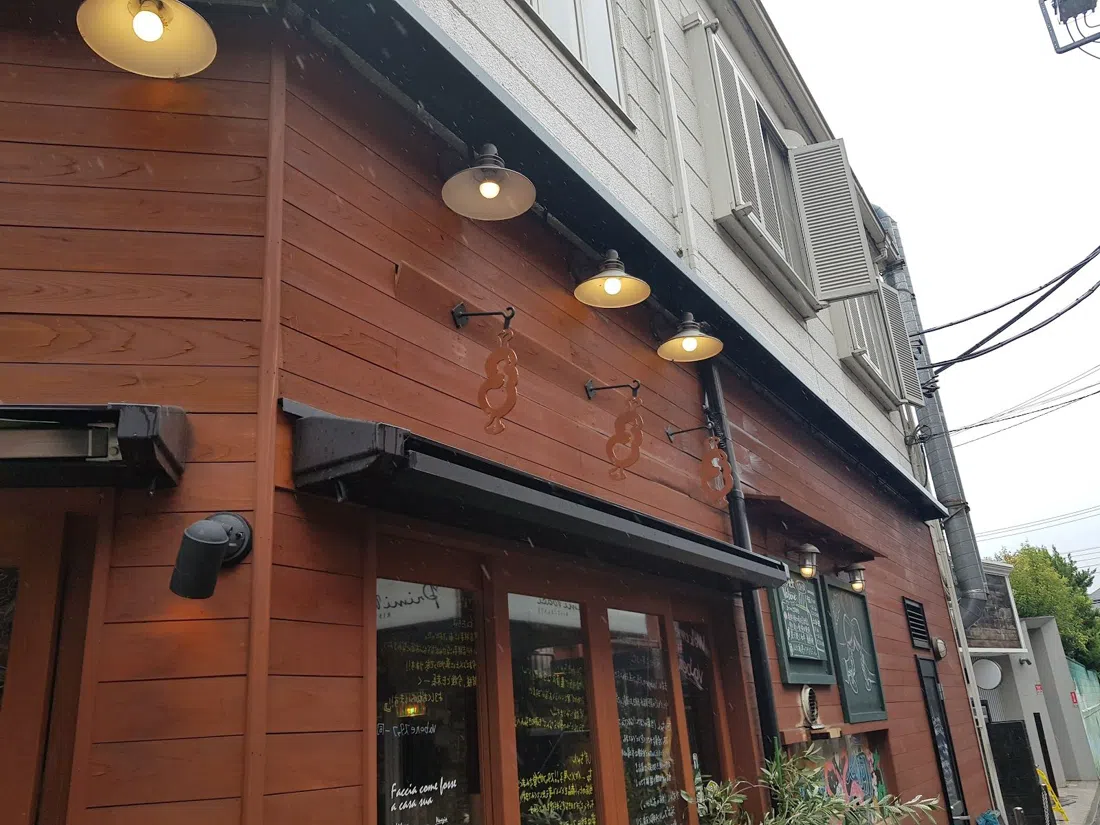
Tsukemen Enji (Kichijoji, a few minutes off the main road) is the counter option. The broth is a veggie potage, pork bone and seafood blitzed with vegetables until it is thick enough to be its own category, and you choose between three noodle types. ¥1,000 to ¥1,500, cash only. It seats a handful of people, so two is comfortable, four is a stretch, and above that you are standing on the pavement in shifts. Weekdays 11:00 to 16:00 and 17:30 to 22:00; weekends it runs straight through 11:00 to 22:00.
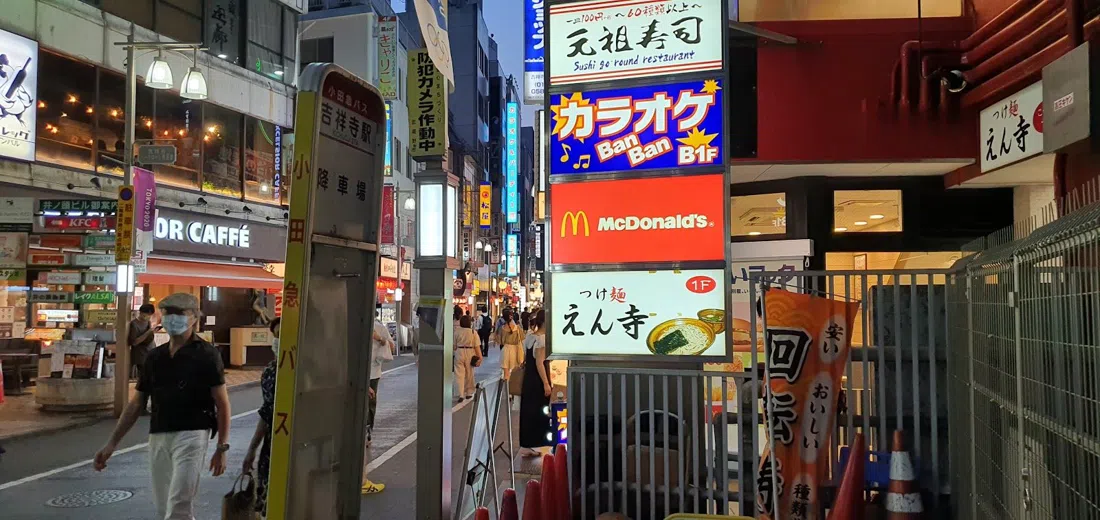
The alleys behind the north exit
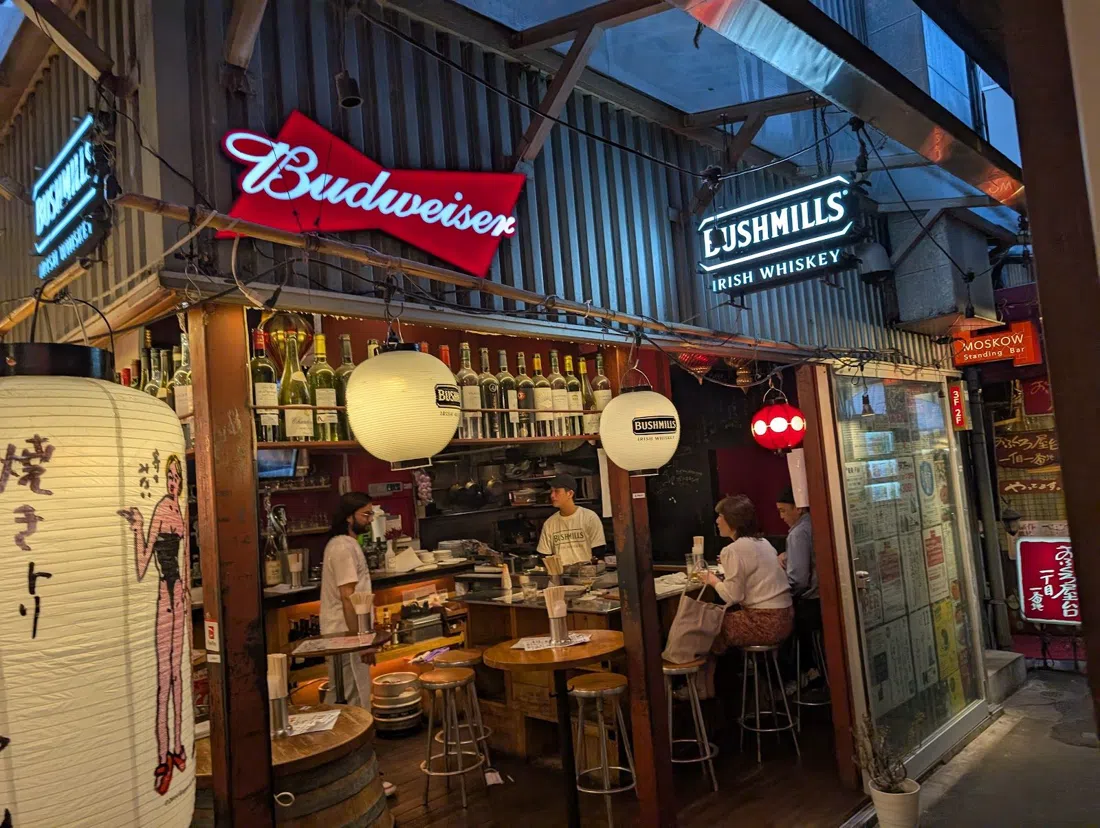
Harmonica Yokocho (immediately north of the station, behind Sun Road) is a post-war black market that never got knocked down: around 100 shops across five alleys narrow enough that two people pass sideways. It changes character through the day, with greengrocers and dry-goods stalls in the morning and bars pouring from mid-afternoon. It costs nothing to walk through, drinks start around ¥400 and small plates run ¥200 to ¥800. Most places are cash only and most seat between four and ten people. If there are more than four of you, plan to split across two or three bars and message each other. Hunting for a single table here wastes an hour you could spend drinking.
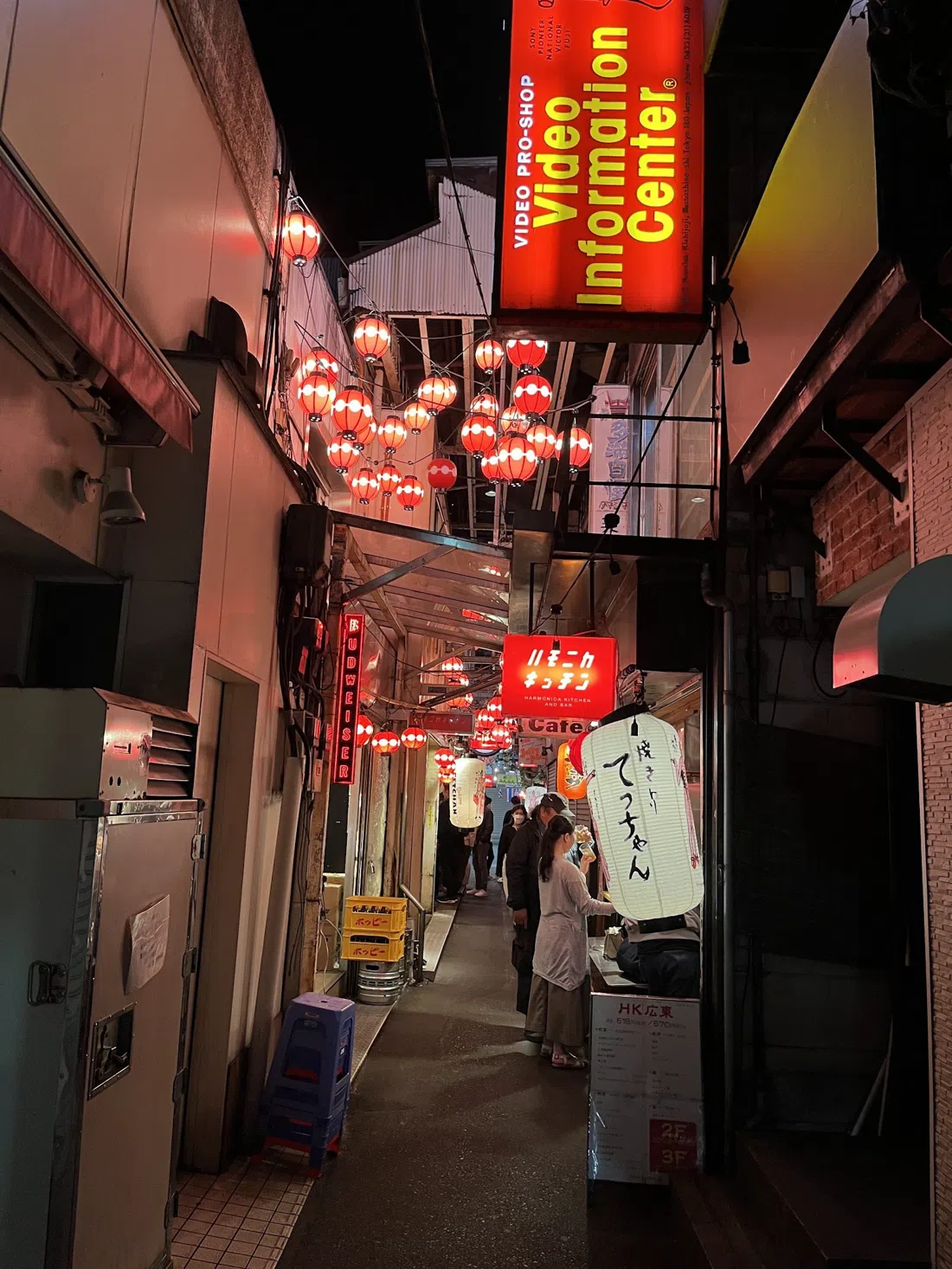
Tetchan (inside Harmonica Yokocho) is the exception that handles a small group where its neighbours cannot. Kengo Kuma built the room in 2014, inside the alley, so you are drinking in a world-name architect's interior at motsu-nikomi prices, ¥2,000 to ¥3,000 a head. It is still tight. Arrive early or accept standing. Open 15:00 to 24:00 on weekdays and from 12:00 at weekends and on holidays.
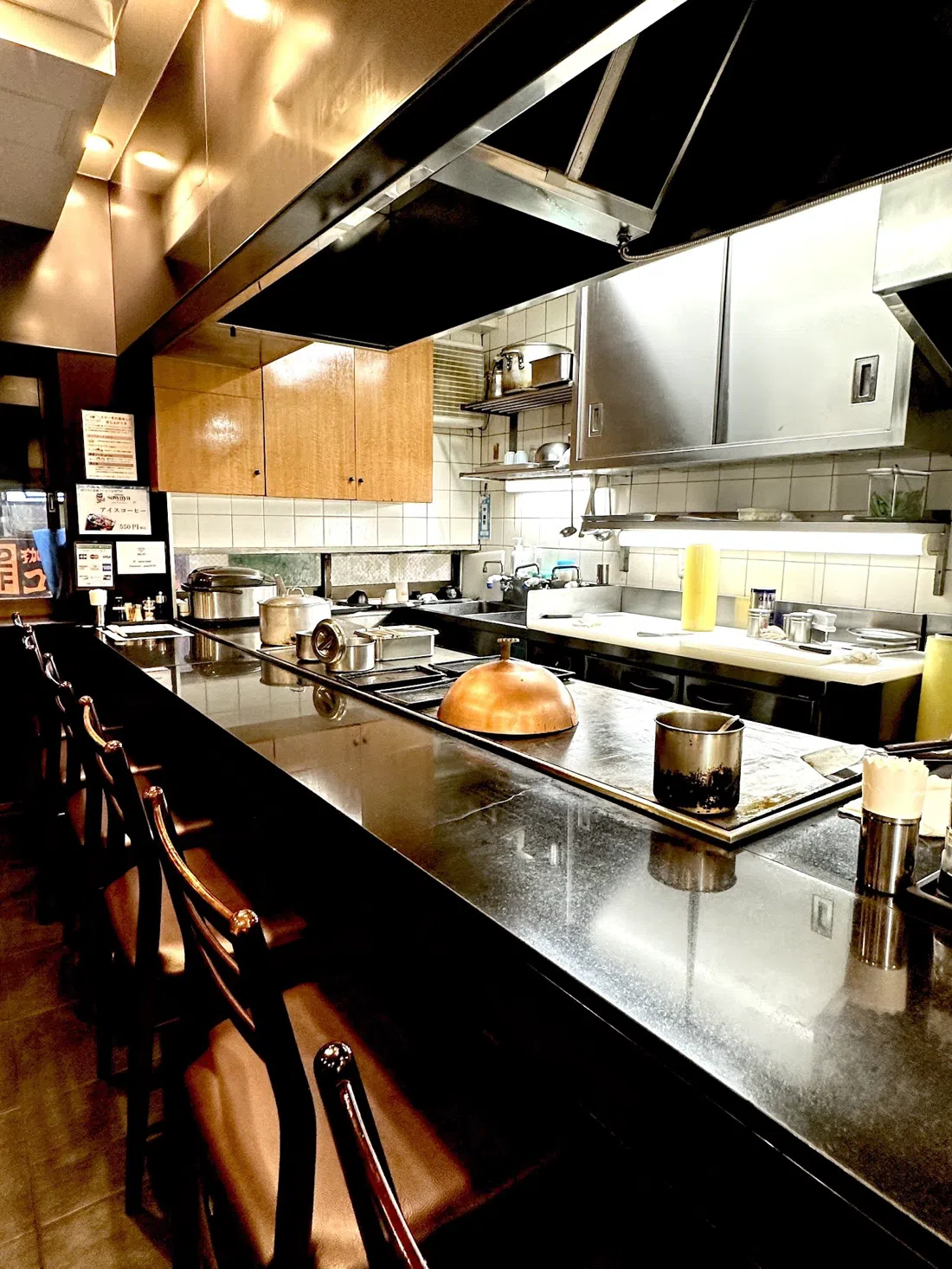
Kichijoji Satou (Sun Road, north side) is a butcher with a fryer at the front and a queue that forms down the arcade. The round menchi katsu is the local landmark snack and costs a few hundred yen: about 5,000 sold a day, shaped round since the 1970s because nobody had time to flatten them. The queue is single-file and slow, so send one person with everyone's order and let the rest browse. The shop runs 10:00 to 19:00. Upstairs, Steak House Satou is a genuine sit-down room, takes bookings, and starts at ¥5,000 and up; it serves 11:00 to 14:30 and 17:00 to 20:00.
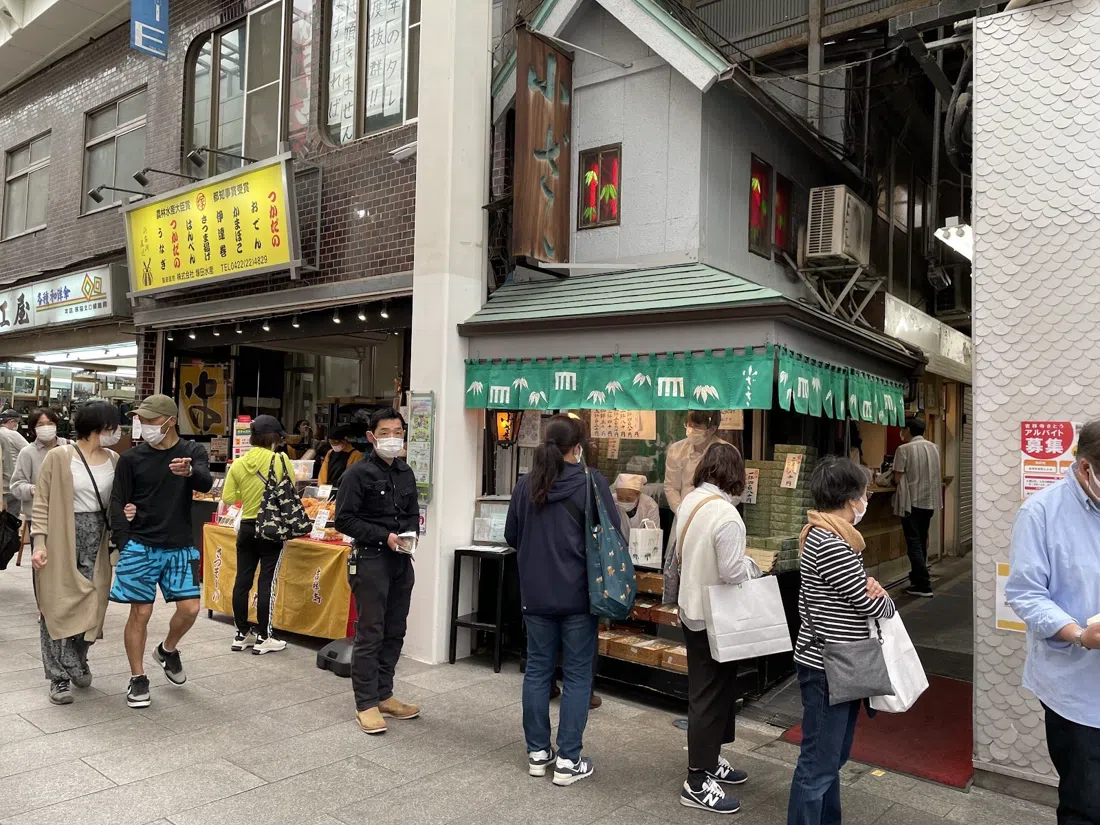
Ozasa (north side, by the mouth of Harmonica Yokocho) is a counter about the width of a doorway, founded in 1951. Monaka are from roughly ¥70 each and are usually available through the day. The yokan is not: it is a strictly limited hand-made run of around 50 blocks, sold by numbered ticket handed out from about 08:15, three blocks per person, roughly ¥800 a block. If you want yokan, you queue at dawn. If you want monaka, just turn up. There is no seating at all. 10:00 to 19:30, closed Tuesdays.
Two very different cups of coffee
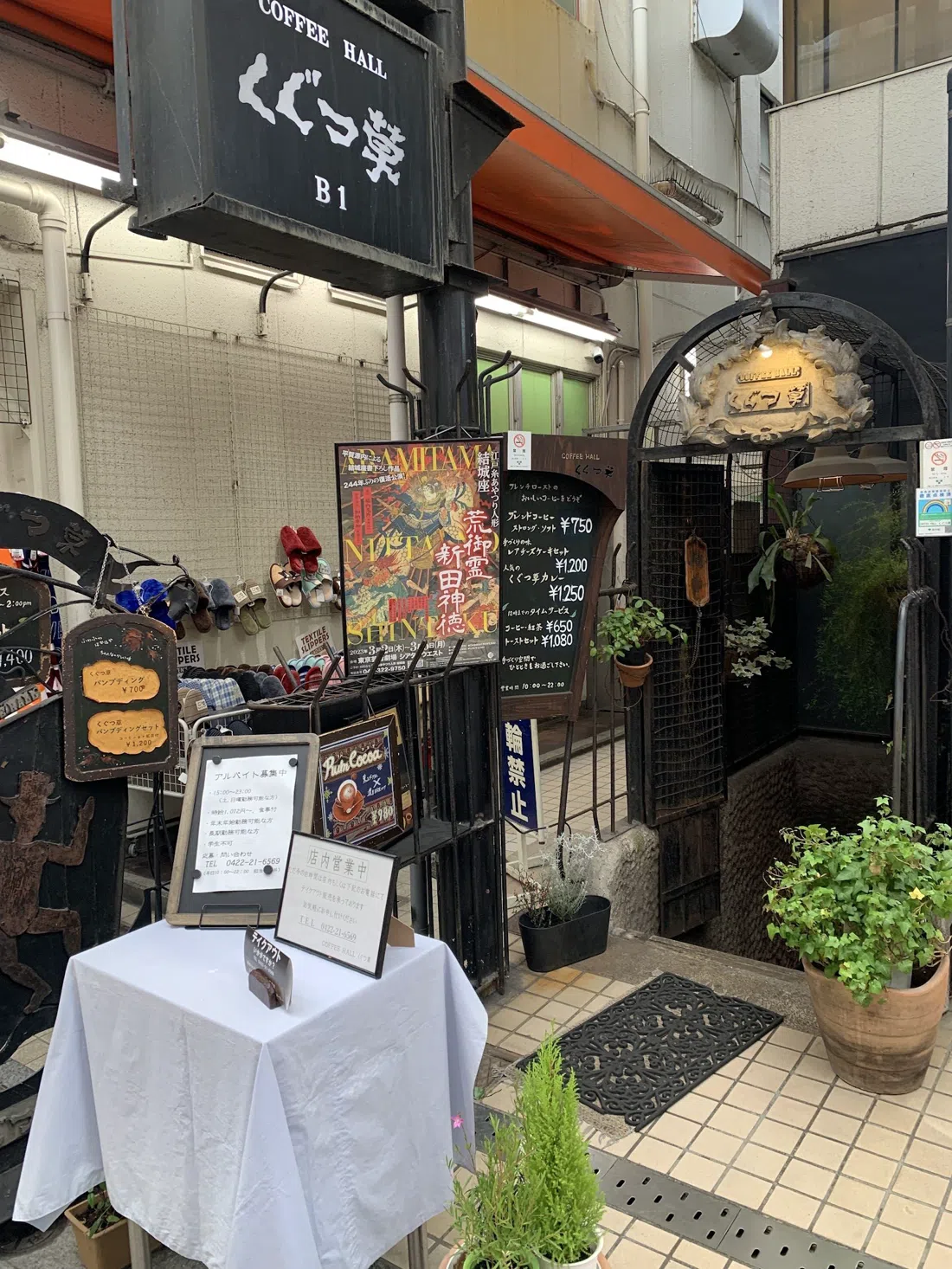
Coffee Hall Kugutsusou (Kichijoji, down a basement stair) opened in 1979, run by a puppet-theatre troupe, and still serves one of the three curries this area is known for alongside coffee from dry-aged beans. Expect ¥1,000 to ¥2,000. It is a small basement with no reservations and cash only, entirely non-smoking, comfortable for two to four and not workable for a party. Open 10:00 to 22:00, which makes it the reliable place to sit when everything else is either shut or full.
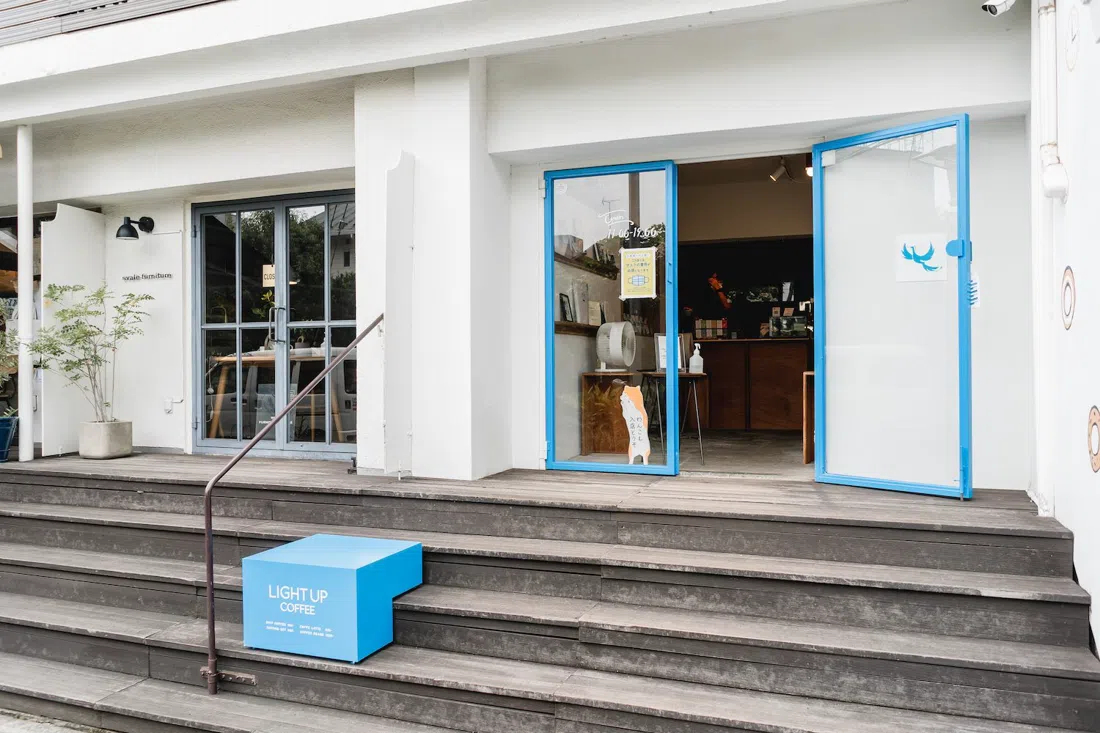
Light Up Coffee Kichijoji (Kichijoji, near the park side) is the 2014 opening that put the area on Tokyo's specialty coffee map. Light roasts, single origins, and a flight of three pour-overs if you want to taste origins against each other; ¥500 to ¥1,200. There is a bar and a couple of seats, so treat it as a takeaway stop for anything larger than three. They sell beans and run cupping sessions, and the bigger roastery is over in Mitaka if you are walking that way anyway.
Nakamichi-dori and the shops worth the detour
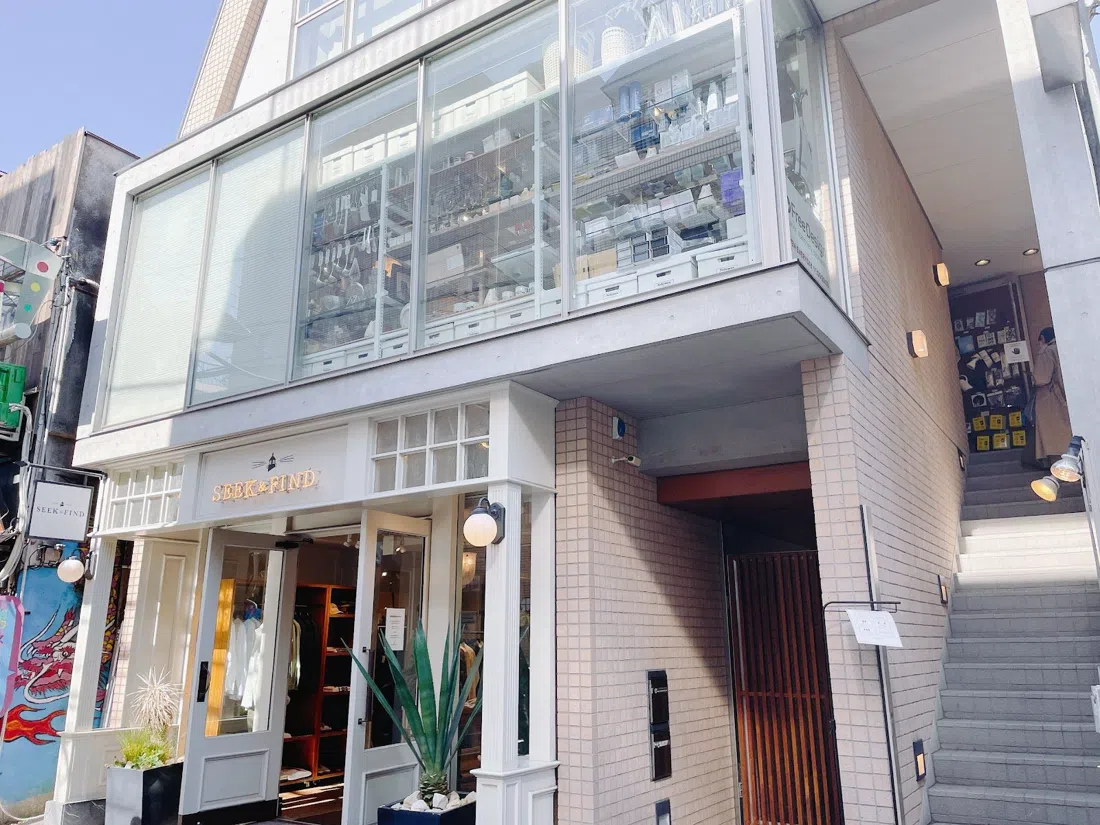
free design (Nakamichi-dori, north of the station) sums up what that street sells: Scandinavian and Japanese makers chosen on a long-life brief, Iittala, Arabia, Hasami, priced from about ¥1,000 to ¥15,000. It is a browsing shop and not large, so drift through in twos and threes rather than arriving as a group. Open 11:00 to 19:00, year round.
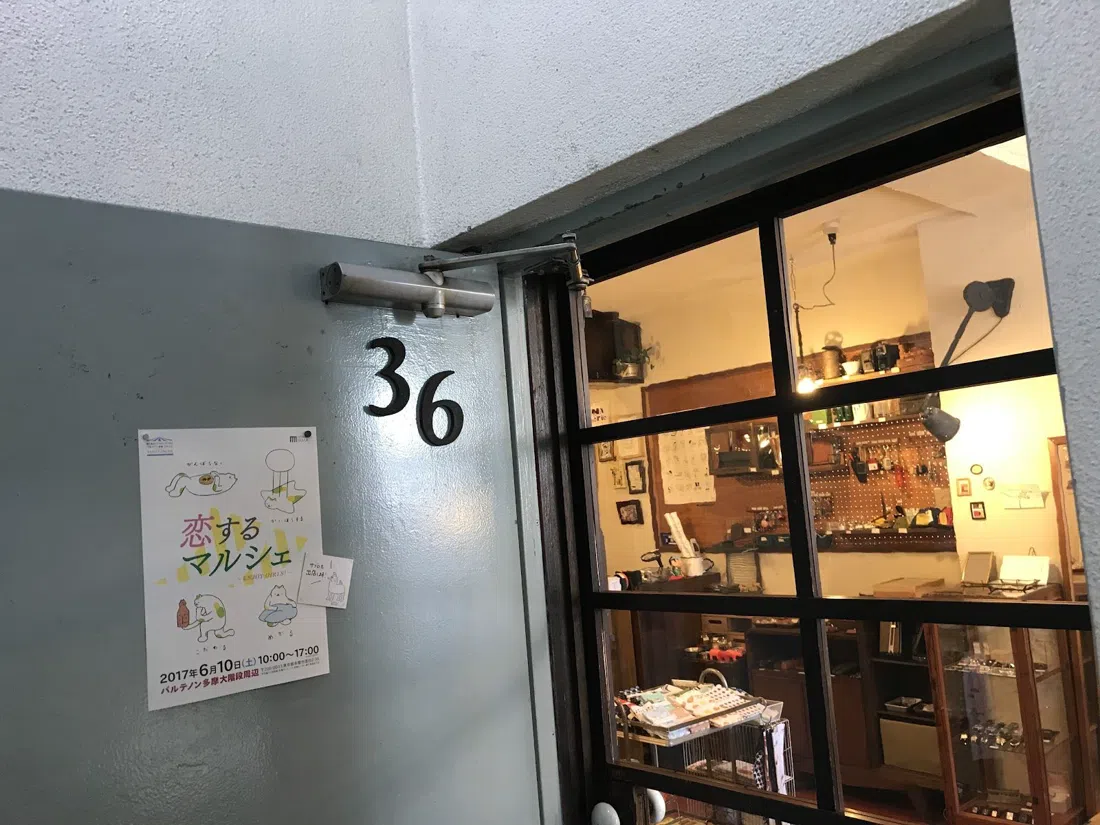
36 Sublo (north of the station) has been going since 2004 and at its current address since 2010. Old-stock and original stationery sold the way a sweet shop sells sweets, ¥100 to ¥2,000, which makes it the most portable souvenir in the area. The honest capacity is two or three people at a time, so this is not a group stop. Open 12:00 to 19:00, closed Tuesdays.
Music after dark
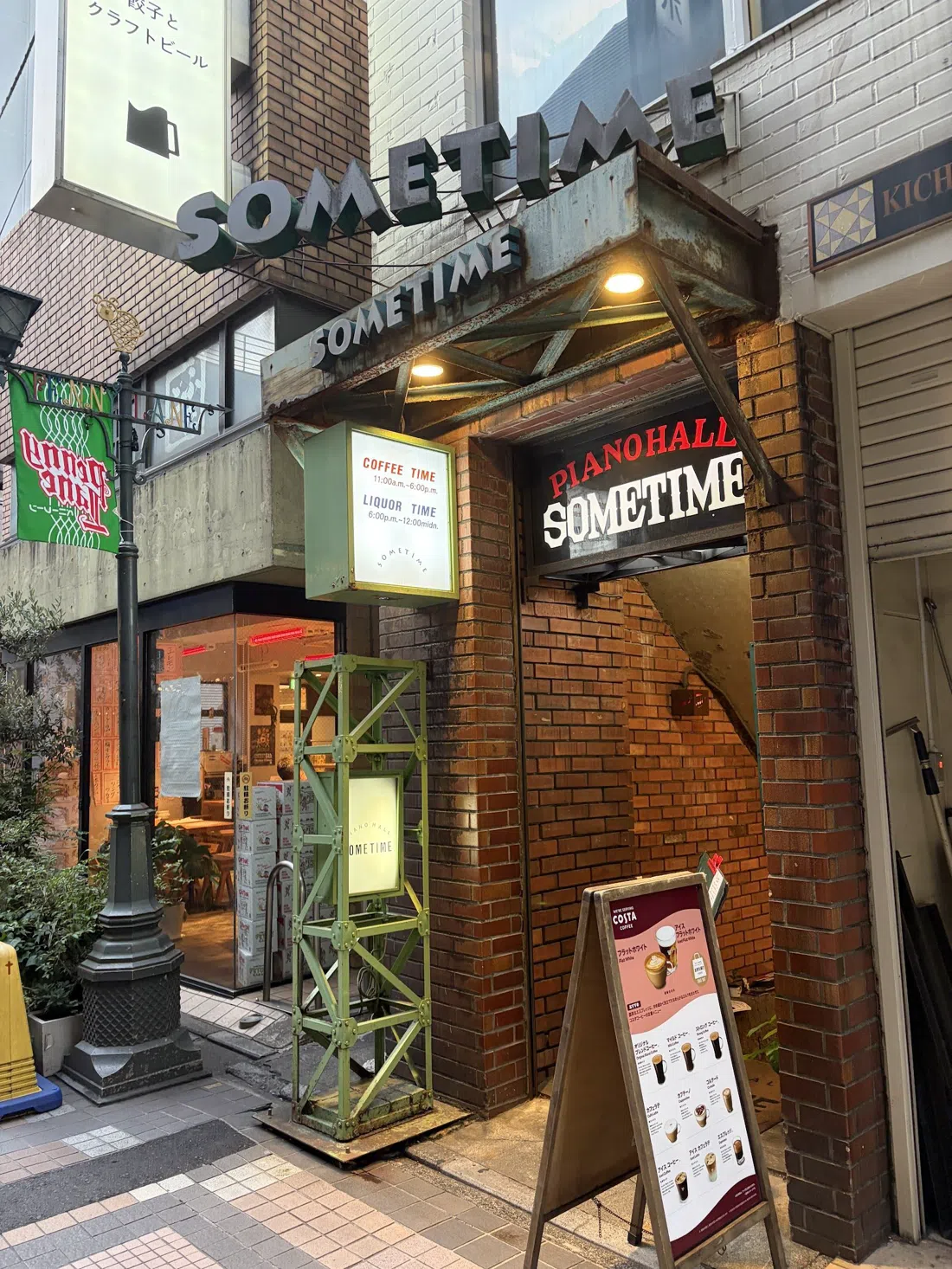
Sometime (Kichijoji, north side) has run since 1975 and is the centre of the local jazz scene, with live music every night and a different band most evenings: two sets, from 19:00 and 20:30. The music charge starts around ¥1,500 and is often nearer ¥3,000, plus whatever you eat and drink. It welcomes groups, but reservations are by phone only; English is spoken, so call ahead for anything more than two. By day it is a café, 12:00 to 17:00. Open year-round except New Year.
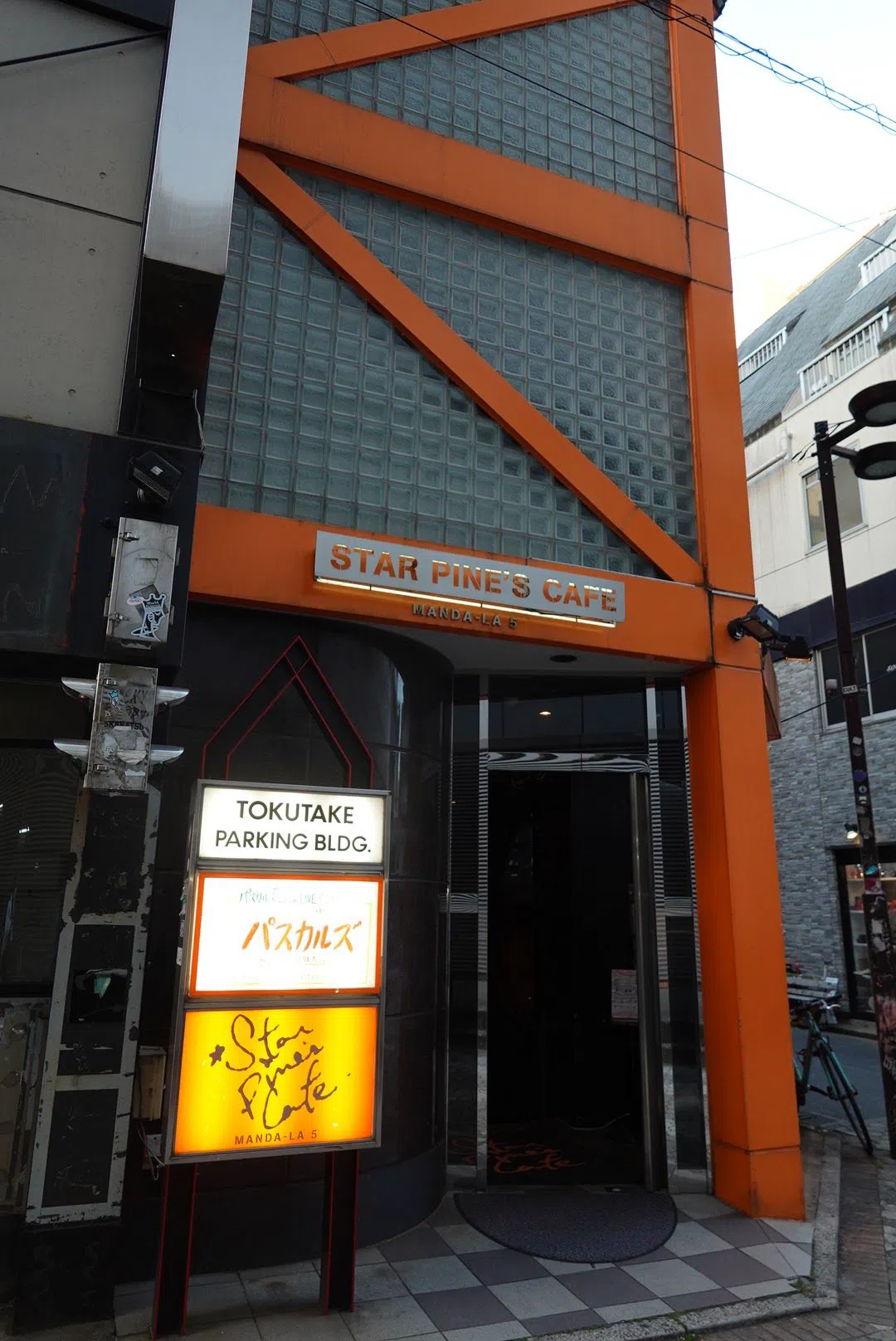
Star Pine's Cafe (Kichijoji, north side) has been open since 1997 and is deliberately unbothered about genre: bands, DJs, dance, theatre and talk nights share the same room. Tickets typically run ¥3,000 to ¥6,000 plus a drink charge, sold per person, with standing room and some seating. Good nights sell out, so check the month's schedule and buy in advance before you build an evening around it.
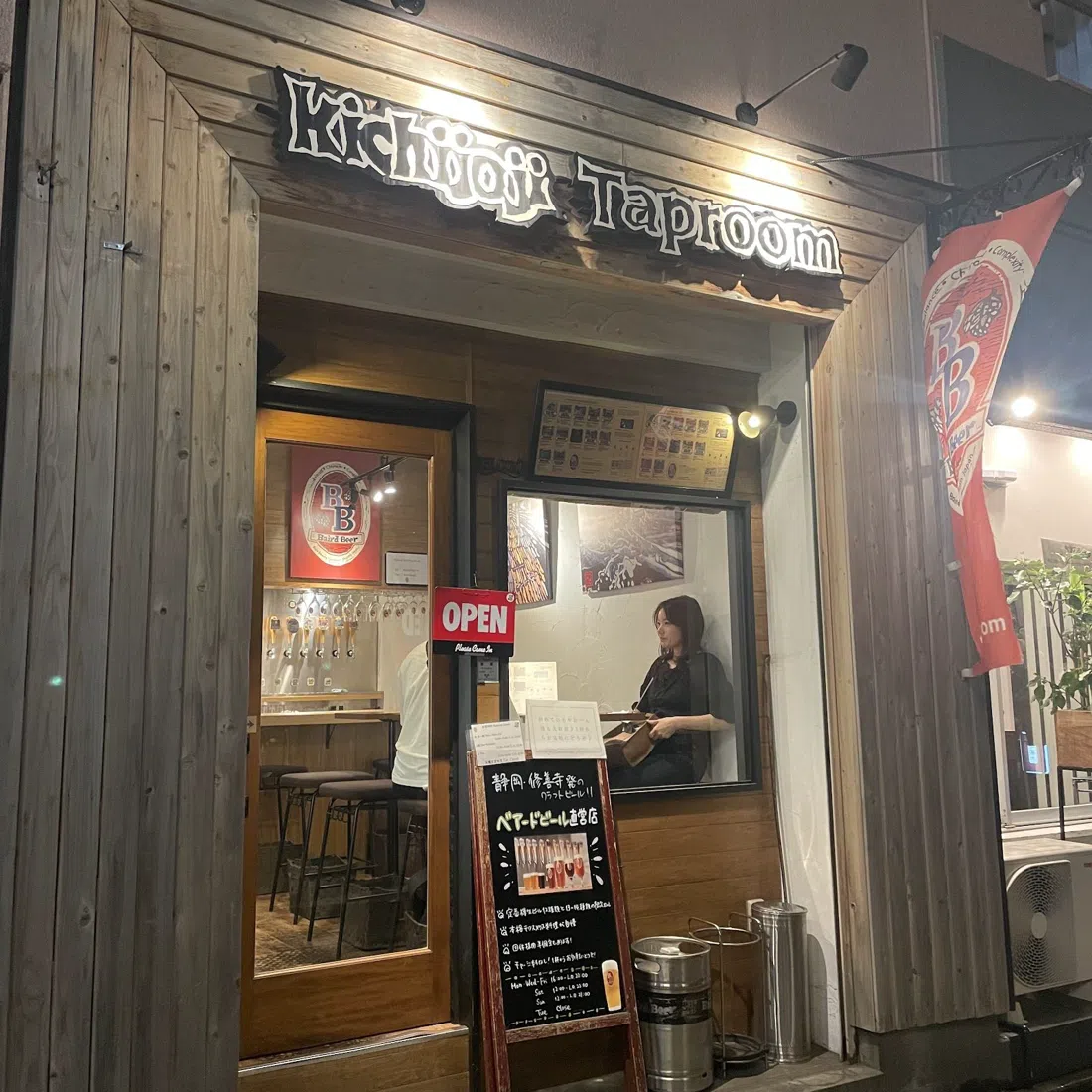
Baird Beer Kichijoji Taproom (two minutes from the Inokashira Park exit) is the easiest sit-down group option on the park side: proper tables, a real taproom layout, and the brewery's own beer rather than a rotating guest list. Budget ¥3,000 to ¥4,500 a head. Phone 0422-24-8691 for larger parties. It is closed Tuesdays and Wednesdays; Monday, Thursday and Friday from 17:00, weekends and holidays from 12:00.
Practical notes
Getting here is the JR Chuo line from Shinjuku, about fifteen minutes on a rapid service, or the Keio Inokashira line from Shibuya, about twenty. Both arrive at the same station. Use the Park Exit for the pond, Iseya, Light Up Coffee and the taproom; the north exit for Sun Road, the alleys, the shops and the music. Mitaka is one stop further west on the Chuo line, but if the museum is on your list, walk it through the park instead: twenty minutes, and the walk is half the point.
Carry cash. Iseya, Kugutsusou, Tsukemen Enji and most of Harmonica Yokocho are cash only, and Iseya takes no e-money either. There are ATMs in the convenience stores around the station; draw before you sit down, not after.
Mondays close the zoo. Tuesdays close Ozasa, 36 Sublo and the taproom. Wednesdays close Iseya and the taproom, and stop the boats between December and February. A Tuesday or Wednesday visit still works, but check the closing days above before you plan around one place.
Arrive by 11:00 if you want boats without a queue. Zoo or the walk west in the early afternoon. The alleys start pouring mid-afternoon, which means you can eat at 17:00 and still make a 19:00 set at Sometime. If the museum is booked, let its entry time anchor everything else, because it is the only fixed point in the day.
¥6,000 to ¥9,000 a head covers a full day comfortably: a boat, one admission, a counter lunch, coffee, and skewers with drinks in the evening. Add ¥3,000 to ¥6,000 if you are buying a music ticket. Staying nearby keeps the late sets viable, so compare rates on Tokyo hotel search before you commit to a central base and a last-train sprint.
Questions
How do I get to Kichijoji from central Tokyo?
The JR Chuo line runs from Shinjuku in about fifteen minutes on a rapid service, and the Keio Inokashira line comes up from Shibuya in about twenty. Both use the same station. Take the Park Exit on the south side for Inokashira Park, and the north exit for Sun Road, Harmonica Yokocho and the shops on Nakamichi-dori.
Can I buy Ghibli Museum tickets when I arrive?
No. Entry is timed and tickets are named: you cannot walk up, and nothing is sold on site. Adult admission is ¥1,000, reservation only, and tickets go on sale at 10:00 JST on the 10th of the month for the following month via Lawson Ticket. Book before you fix your dates, and make sure everyone in your group holds the same entry slot.
Do I need cash in Kichijoji?
Yes. Iseya Koen-ten takes cash only, no cards and no e-money, and so do Tsukemen Enji, Coffee Hall Kugutsusou and most bars in Harmonica Yokocho. Convenience store ATMs around the station cover you, but draw the money before you sit down rather than after.
Does Kichijoji work for a group, or only for couples?
Both, if you pick the right rooms. The group options are Iseya Koen-ten, which has 350 seats and takes reservations for parties of ten or more, and the Baird Beer taproom, which has proper tables. Harmonica Yokocho bars seat four to ten, so anything above four should split across two or three places. 36 Sublo, Ozasa and Light Up Coffee work for two or three people.
How long does the walk from Inokashira Park to the Ghibli Museum take?
About twenty minutes from Kichijoji station, west through the park to the Mitaka end. The path is flat and signed the whole way, so the museum fits into a park visit instead of a separate trip. Allow extra time if you stop at the pond or the zoo.
First published on tokyohoilday.com, the Tokyo guide.